
"drying"
41208 article(s) found

The selection of coffee
The process of removing impurities from the harvested coffee fruit into "raw beans" is called "refining". Refining methods are mainly divided into two categories-washing type and non-washing type. Brazil and other places originally used the non-washing type, but now some coffee also use the washing type selection method in order to pursue higher quality.
The method of processing raw coffee beans in high-quality coffee
Raw beans generally use washing and drying methods, both of which can produce high quality raw beans. First, washing method: generally speaking, there will be more distinct acidity and more consistent flavor. In the process of washing, the pulp is immediately separated from the raw bean, rather than drying it. The steps are as follows: 1. Selection: put the fruit in the sink and let stand for about 24 hours. Mature and immature due to

Three Coffee treatments | introduction to the advantages of sun treatment, washing treatment and honey treatment
To put it bluntly, coffee beans are the seeds of coffee, and it is necessary to go through this process to turn freshly picked coffee fruits from trees into coffee beans. At present, what are the differences among the three most widely used coffee treatments? Sun treatment is the oldest and cheapest treatment. Most coffee farmers put the picked coffee fruit in
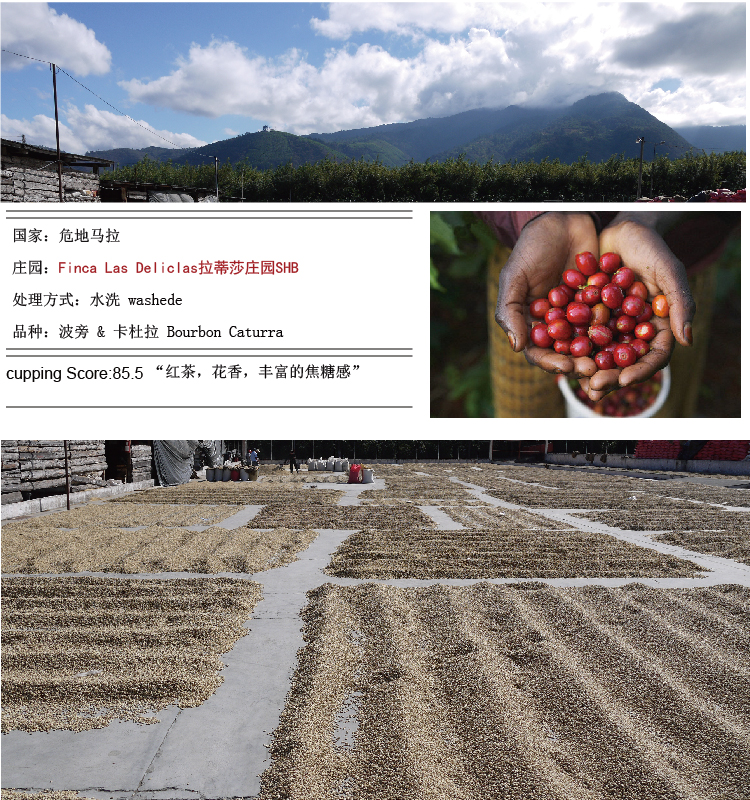
The processing of brown beans what is the semi-washing method what is the washing method and what is the drying method?
The semi-washing method first removes the skin with water, and then goes to the sun. This is a relatively new and rare method. This method is only suitable for specific areas of some countries, with a long drying period. The coffee produced by this method is sticky, and the mucus is not removed as it is fermented in the tank. Therefore, the coffee produced by this semi-washing method contains water washing method.

Coffee bean washing method why will strengthen acidity-honey treatment sun
Why Coffee Bean Washing Intensifies Acidity-Honey Treatment Sun-dried fruits begin the sun-drying process without treatment after picking. This is the oldest treatment in existence. The drying process usually lasts about 4 weeks. The method of processing must be very careful to ensure that the coffee does not lose any flavor. Natural solarization requires an extremely dry local climate. In some areas, people benefit.

Practical paste of coffee grounds | how to effectively dry coffee grounds
Professional barista communication please follow the coffee workshop (Wechat official account cafe_style) do you know? In fact, coffee grounds can help us solve many small problems in life, and there are many wonderful uses. But first, complete a very important step to dry the coffee grounds. Because if you use the coffee grounds directly without completely removing the moisture from the coffee grounds, the coffee grounds will be sent first before you see the effect.

What is Gucci's single-layer slow-drying coffee treatment? Single-layer slow-drying coffee flavor
For more information on coffee beans, please pay attention to the aromas of jasmine and violets in the coffee workshop (Wechat official account cafe_style), the acid value of plums, the sweetness of cantaloupe, the smooth taste and the taste of honey. Single layer slow drying Ancient Book [Blueberry Wine 2] Bensa the growing popularity of anaerobic treatment of sun-dried beans can add a lot of flavor to coffee beans. But
Detailed explanation of two methods in the processing of raw coffee beans
Wet treatment requires the use of specific equipment and a large amount of water. When properly operated, it can ensure that the original quality of coffee beans is better preserved, producing homogeneous coffee beans with few bad beans. As a result, coffee beans produced in this way are generally considered to be of better quality and charge higher prices. Even after careful harvest, a certain amount of underdried and undercooked coffee
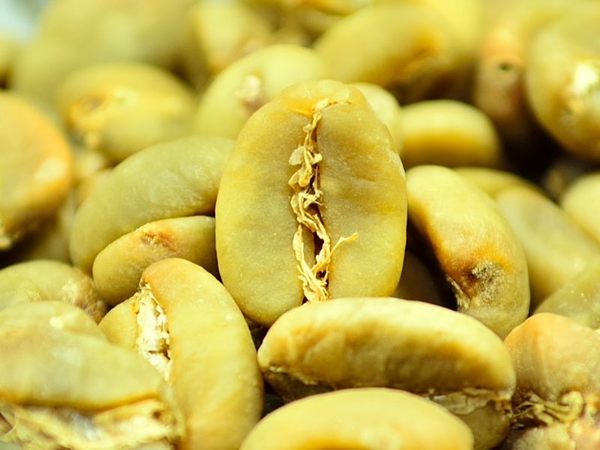
Treatment of raw coffee beans from planting to transportation: pulp peeling, fermentation, drying, selection
The harvested coffee fruit is transported to the processing plant. The factory processes peeling, fermentation, drying, sorting and other processes for processing coffee beans. Remove the pulp, pick out the bad beans, soak and ferment in water, and re-dry in the sun. After this series of complex processes, you can get fresh raw beans. This process has a great impact on the quality of coffee beans.

Coffee bean roasting technology sharing: dehydration drying section _ relationship between dehydration and firepower
Professional coffee knowledge exchange more coffee bean information please follow the coffee workshop (Wechat official account cafe_style) recently I have been strengthening the basic skills! And the baking part is no exception! The roaster I use is mainly based on direct fire baking, so I often encounter a lot of trouble in the early baking, after all, there are not many friends who use direct fire machine! A subject under study recently.

How many kinds of coffee are treated by dried-- different beans are treated differently.
How many kinds of coffee are treated with dried-aren't different beans treated the same way? this method is very common in Brazil. The natural washing method is very similar to the water washing method, except that the natural washing method uses a high-pressure washing machine to remove the mucous membrane of the coffee surface, thus skipping the fermentation process. Several coffee and raw bean processing companies in Brazil and Colombia have used this method
Treatment of raw coffee beans after being plucked from trees: introduction to three treatment methods of raw coffee beans
Dry process introduction (sun processing drymethod) drying method: with soft sour taste and mild bitter taste. This method is used in Brazil, Ethiopia and Yemen. Disadvantages: vulnerable to weather, defective beans and foreign bodies are more likely to mix. Process: coffee is either dried naturally on the patio, or dried by machine, or both. The method of treatment is

What is the coffee wet planing method? wet peeling and washing process of coffee beans
The drying process in Coffee Workshop (official Wechat account cafe_style) seems simple: pick the fruit and put it in the sun until it changes from red to brown to close to black, then peel off the thick, dry outer layer, and the mung beans can be exposed in one step. This is a method suitable for arid areas, where

Popularization of professional coffee knowledge | what is honey treatment?
Let's analyze each method of raw bean treatment one by one: 1. Natural solarization (Natural/Dried-in-the-Fruit): the process of this method is the simplest. The fruit begins the process of sun drying without treatment after picking. This is the oldest method of treatment in existence. This method is still used in places such as Ethiopia and Brazil. The natural solarization method is used in
Processing of fresh coffee beans
Wet treatment requires the use of specific equipment and a large amount of water. When properly operated, it can ensure that the original quality of coffee beans is better preserved, producing homogeneous coffee beans with few bad beans. As a result, coffee beans produced in this way are generally considered to be of better quality and charge higher prices. Even after careful harvest, a certain amount of underdried and undercooked coffee
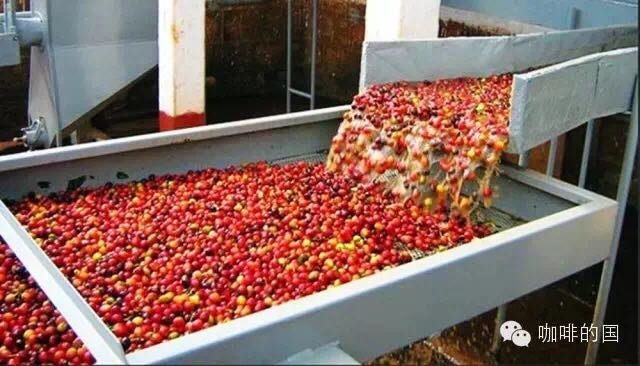
Several cleaning methods of coffee beans the treatment of coffee beans: what is coffee drying? Wash Yejia Xuefei
Sun drying: the sun drying method is also called natural drying because it uses natural sunlight to dry the fruits and raw beans of coffee. Due to the use of artificial and natural treatment methods in the process, the sun-cured beans look irregular and unflattering in appearance. Washing coffee bean treatment method Coffee beans harvested must immediately enter the treatment program, otherwise they will begin to ferment and make coffee

Processing and drying of high-quality coffee beans
There are two ways to prepare coffee beans for the baking process. The method chosen has a significant impact on the final price and quality of coffee. The cheapest method of processing is called drying, which is used for lower-grade coffee beans, while higher-quality coffee beans are processed by wet treatment. Drying is used for unwashed coffee beans. Wet treatment used for thorough cleaning or semi-cleaning.

The refined processing of coffee beans includes roughing, separation, classification, fermentation, drying, shelling and throwing.
The refined processing of coffee beans includes eight processes, such as rough processing, separation, classification, fermentation, drying, shelling, polishing, sorting and so on. There are two ways to prepare coffee beans for the baking process. The method chosen has a significant impact on the final value and quality of coffee. The cheapest method of processing is called drying, which is used for lower coffee beans and higher quality coffee beans.
The most traditional drying method of coffee bean processing
Drying is used for unwashed coffee beans. Wet treatment is used for thoroughly washed or semi-washed coffee beans. Except for the more common use of drying in Brazil and Ethiopia, most Arabica coffee beans are processed by wet treatment. In Indonesia, some Robart coffee beans are processed by wet treatment, but this is not common there. Drying method

Introduction to the process of growing, harvesting, processing and processing of coffee beans
The method of picking coffee beans is to spread the coffee cherries widely on the exposure field for two weeks and sweep them with a rake several times a day so that the coffee beans can be dried more evenly. When dried, the coffee beans are separated from the skin, and the dried pulp and peel are removed by a sheller, then screened and divided into different grades. The best quality coffee can be produced by washing or drying.