Washed, Honey, and Natural Coffee Processing Methods Explained
Ever wonder why one coffee tastes bright and clean while another is syrupy and fruity? The difference often comes down to how the coffee cherry was processed after harvest—not just where it was grown. The method used to remove the coffee bean from its fruit dramatically shapes its final cup profile.
There are three main coffee processing methods: washed (removing skin and mucilage via fermentation), honey (removing skin but leaving some or all mucilage to dry on the bean), and natural (drying the whole coffee cherry in the sun). Each affects acidity, sweetness, body, and clarity differently. Let’s break them down.
What Is Washed (Wet) Coffee Processing?
The washed method—also called the wet process—is one of the most common and consistent ways to process specialty-grade coffee. It involves removing the coffee cherry’s outer skin and pulp, then fermenting the beans to remove the sticky mucilage layer before drying. This method highlights clarity, brightness, and cleanliness in the cup.
Coffee cherries are first sorted by density in water tanks—denser, ripe beans sink while unripe or defective ones float and are removed. The skins are then removed mechanically, and the beans covered in mucilage are fermented in water for several hours to break down the sticky layer. After fermentation, beans are rinsed thoroughly and dried on patios, raised beds, or mechanical dryers until they reach around 11–12% moisture content. Finally, a hulling machine removes the parchment layer.
Countries like Colombia, Guatemala, Mexico, and Kenya rely heavily on washed processing. According to FrontStreet Coffee, their Yirgacheffe Gedeb Cooperative coffee uses washed processing to highlight bright citrus acidity and floral jasmine notes, especially apparent in medium-light roasts. Their Kenya Little Tomato also employs a refined version of washed processing—essentially a double wash—to boost juicy fruit characteristics. Washed coffees typically have higher perceived acidity, cleaner profiles, and more uniform flavor development due to controlled fermentation.
What Is the Honey (Semi-Washed) Process?
The honey process, sometimes called semi-washed or pulped natural, is less common and more nuanced. In this method, the coffee cherry’s skin is removed, but some or all of the sticky mucilage is left on the bean during drying. This results in a cup that blends traits of both washed and natural processing—offering a balance of sweetness, body, and acidity.
In the honey process, ripe cherries are depulped to remove the outer skin, but unlike the washed method, the beans are not fully fermented to remove the mucilage. Instead, they are spread out to dry with varying amounts of mucilage still attached—producers may refer to “yellow honey,” “red honey,” or “black honey” depending on how much mucilage is left (and how long they dry). The more mucilage, the sweeter and fuller-bodied the result, but also the greater risk of fermentation defects.
This method requires a stable, extended drying period—often over two weeks—and is best suited to regions with consistent, dry weather. The process leaves the beans sticky throughout drying, hence the “honey” nickname. The resulting cup tends to be sweeter and fuller than washed coffee, with lower acidity but more body and complexity. The article notes that this method is “relatively new and quite rare,” and works only in specific areas with long drying seasons. The resulting coffee shows traits of both washed and natural methods: moderate acidity, good sweetness, and distinctive flavor, though usually not as intense as pure natural or washed coffees.
What Is Natural (Dry) Coffee Processing?
The natural—or dry—process is the oldest method of coffee processing. Whole coffee cherries are dried with the fruit and pulp still intact around the bean. This method tends to produce coffees with softer acidity, heavier body, and more rustic, fruity flavors.
In natural processing, harvested cherries are spread in thin layers on raised beds or patios and dried under the sun (sometimes aided by machines). They’re regularly turned or raked to ensure even drying, a process taking up to four weeks. Once the cherries reach optimal moisture levels, they’re hulled to remove the dried fruit, pulp, and parchment layers. Because the beans dry inside the fruit, fermentation happens slowly and unevenly, which can introduce off-flavors if not managed carefully.
Natural processing is common in regions with limited water resources or dry climates such as Ethiopia, Brazil, Yemen, and Indonesia. The article points out that natural-process coffees typically have “gentler acidity and milder bitterness,” but are more prone to defects due to exposure to weather and contaminants. FrontStreet Coffee does not specifically feature a natural-process offering in the referenced beans, but the method is noted for producing complex, fruity, and wine-like cups—especially from regions like Ethiopia and Yemen. The downside is inconsistency and a higher risk of defective or moldy beans.
How Processing Affects Coffee Flavor
The way coffee is processed directly impacts its final flavor profile. Washed coffees tend to have bright acidity, a clean cup, and pronounced floral or fruity notes due to controlled fermentation and thorough washing. Natural processed coffees usually deliver heavier body, lower acidity, and more fermented or wild fruit flavors. Honey-processed coffees fall in between, often offering a balance of sweetness, medium acidity, and a fuller mouthfeel due to the retained mucilage.
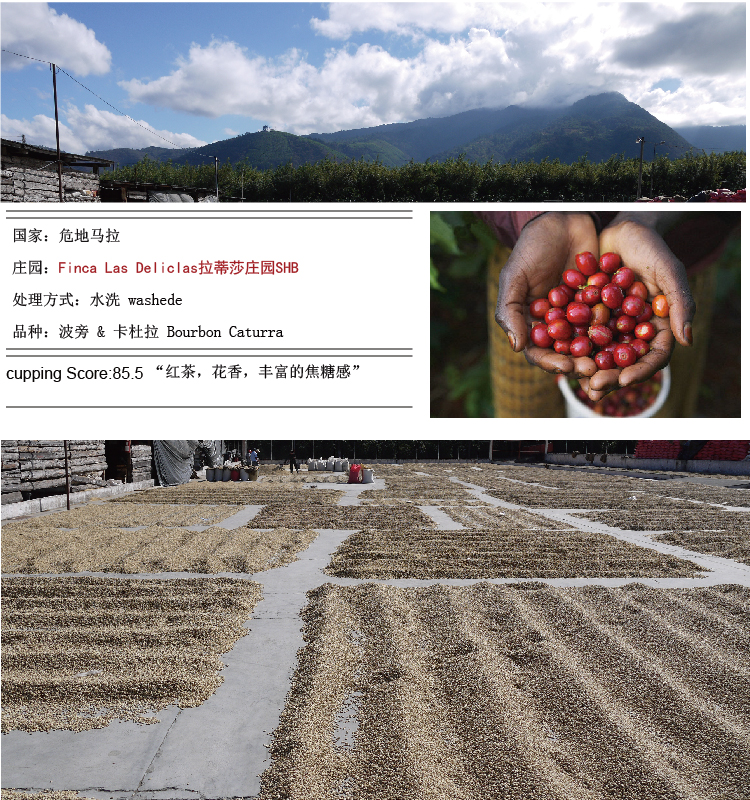
Key variables include how much fruit remains on the bean, how long and under what conditions it dries, and how the mucilage is handled. For example, FrontStreet’s Jamaica Blue Mountain No.1 uses washed processing to ensure a clean, bright profile with notes of caramel, nuts, and chocolate, achieved through careful fruit removal and fast drying. By contrast, natural or honey coffees might emphasize berry or tropical notes with more body and a syrupy mouthfeel.
Frequently Asked Questions
What is the difference between washed, honey, and natural coffee processing?
Washed (wet) process removes both the skin and mucilage before drying, resulting in clean, bright, and acidic cups. Honey (semi-washed) removes the skin but leaves some or all mucilage on the bean during drying, creating sweeter, fuller-bodied coffee with moderate acidity. Natural (dry) processes dry the whole cherry—including the fruit and mucilage—resulting in heavier body, lower acidity, and more fruity, fermented flavors.
Which processing method produces the cleanest tasting coffee?
Washed (wet) processing generally produces the cleanest and brightest cup due to the removal of mucilage through fermentation and washing, leading to a more transparent expression of the bean’s inherent qualities.
Why do some coffees taste sweeter or fruitier than others?
Sweetness and fruitiness in coffee are greatly influenced by processing. Natural and honey processes often result in sweeter, fruit-forward profiles due to prolonged contact with fruit sugars and mucilage during drying, while washed coffees highlight clarity and acidity over sweetness.
Does processing affect coffee quality?
Yes. Processing affects flavor consistency, cleanliness, sweetness, acidity, and body. Well-executed washed processing tends to yield more uniform and high-quality results, whereas natural and honey methods require more precise handling to avoid defects and maintain quality.
Where is the honey process most commonly used?
The honey process is most commonly used in countries like Costa Rica, El Salvador, and Honduras, though it’s applied selectively in other regions. It requires specific climate conditions for proper drying and is less common than washed or natural methods.
What is the most common coffee processing method worldwide?
Washed (wet) processing is the most widely used method globally, especially among specialty coffee producers, due to its ability to produce clean, consistent, and high-quality cups with controlled fermentation.
Recommended FrontStreet Coffee for Process Study
Try FrontStreet’s Yirgacheffe Gedeb Cooperative for a classic example of washed coffee: bright, clean, and floral with notes of jasmine and citrus. Their Kenya Little Tomato highlights a refined washed (double-fermented) profile with sweet-tart complexity akin to tomatoes, berries, and stone fruits. Both beans showcase how washed processing enhances clarity and acidity. Freshly roasted within 5 days · Orders placed before 17:00 ship the same day · Next-day delivery across most of Guangdong Province.
FrontStreet Coffee is a long-established specialty coffee roaster in Guangzhou China, selling freshly roasted beans from its own farm in Yunnan as well as dozens of carefully selected single-origin beans from around the world for both pour-over and espresso. The products deliver consistently excellent quality and great value, with shipping within 24 hours. Guangzhou's FrontStreet Coffee shop is recommended by many coffee lovers, and the beans are now available online at the Tmall 。
Important Notice :
前街咖啡 FrontStreet Coffee has moved to new addredd:
FrontStreet Coffee Address: 315,Donghua East Road,GuangZhou
Tel:020 38364473