Washed, Semi-Washed, Natural & Honey Coffee Processing Methods
Ever wonder why some coffees taste clean and bright while others are syrupy and fruity? The secret lies in how the raw coffee beans are processed after harvest. Whether it’s sun-dried, fermented in water, or something in between, each method transforms the green bean’s flavor, body, and aroma in unique ways.
There are four main green coffee processing methods: washed (water-processed), natural (sun-dried), semi-washed (also called pulped natural), and honey (which includes varying levels of fruit pulp and mucilage left on the bean). Each affects moisture levels, drying time, and cup profile differently.
What Is the Natural (Dry) Coffee Process?
The natural process, also called dry or full sun-drying (secado), is the oldest method. After picking, whole coffee cherries are spread out in the sun, usually on raised beds or patios, and dried for 1 to 2 weeks. The goal is to reduce the moisture content from around 60% down to 10–12%. Once dried, a machine removes the dry husk, pulp, and parchment. Most processing facilities keep the beans in their protective parchment layer until just before export. (In Costa Rica, export regulations require beans to remain in parchment.) This method works best in regions with strong, consistent sunlight.
How Does the Washed (Wet) Process Work?
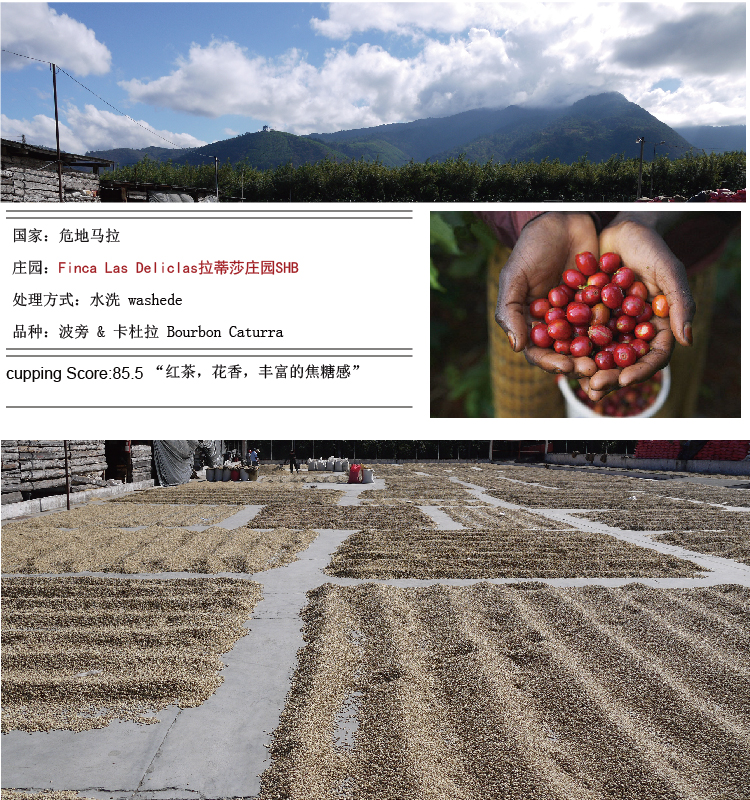
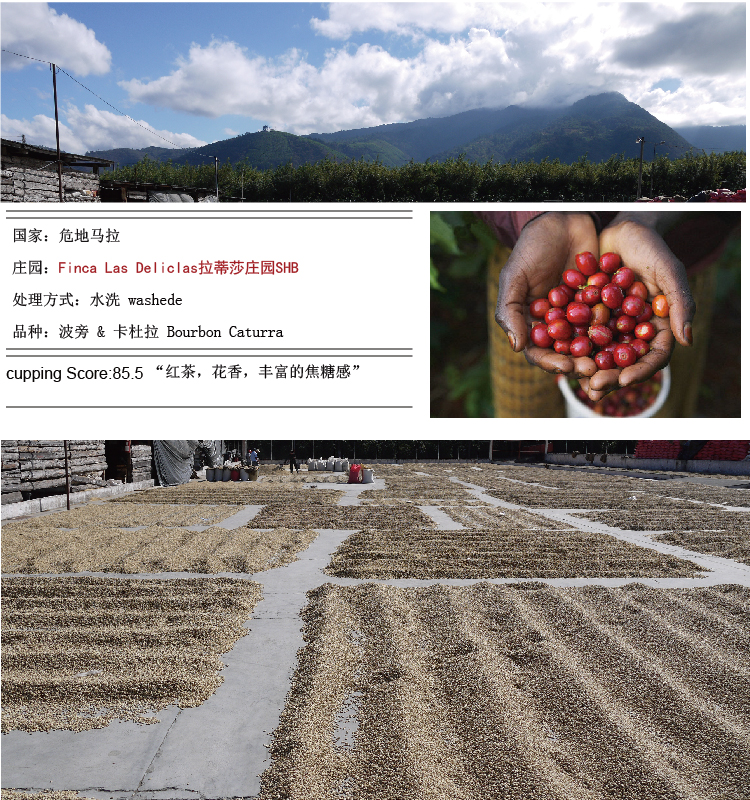
The washed or wet process (lavado) starts by removing the coffee cherry’s skin and pulp using a depulper. The beans, still coated in sticky mucilage and encased in parchment, are then placed in fermentation tanks—either with or without added water—for 8 to 48 hours, though most commonly 12–36 hours. Fermentation breaks down the mucilage, after which it is rinsed away with clean water. Finally, the beans are dried to 10–12% moisture using either sun drying or mechanical dryers (like guardiola or secadora). This method doesn’t rely heavily on sunlight and often results in cleaner, brighter flavors with less silverskin attached to the beans. Washed coffee is known for its clarity, high acidity, and crisp profiles.
FrontStreet Coffee’s washed coffee offerings illustrate these traits well: the Ethiopia Yirgacheffe Gedeb shows jasmine and citrus with light honey and green tea notes; Kenya’s “Little Tomato” delivers complex fruitiness like tomato, plum, and blackcurrant; and Jamaica Blue Mountain No.1 exhibits balanced tones of hazelnut, chocolate, and caramel. All reflect the clean, vibrant qualities typical of washed processing.
What Is the Honey (and Semi-Washed) Coffee Process?
The honey process, also known as semi-washed or pulped natural (miel), combines elements of both washed and natural methods. First, the coffee cherry’s skin and pulp are removed, but then producers decide how much mucilage (from 0% to 100%) to leave on the beans before drying. Based on that choice, it may also be called white, yellow, red, or black honey. The beans are then dried — either in the sun, with machines, or a mix of both — until they reach 10–12% moisture. Leaving more mucilage results in sweeter, fruitier cups, while removing most of it leads to a profile closer to washed coffee.
A key detail: the amount of mucilage left on the bean directly influences the drying behavior and final flavor. With more mucilage retained, the beans take on deeper hues of orange or red during drying. Also, more silver skin tends to stick to honey-processed beans. When roasting, excessive silver skin can burn and mar the bean’s surface if not vented properly. Visually, sun-dried beans typically appear more uniform in color compared to machine-dried ones, although color alone isn’t a reliable indicator of moisture content. For reference, optimal green coffee moisture sits between 9% and 12%; anything over 13% risks mold or toxin development.
Key Differences in Moisture, Drying, and Defects
Different processing methods impact not just flavor but also physical bean traits:
- Natural/dry-processed beans may have more silverskin attached and show more varied surface colors due to fruit pulp contact.
- Washed beans generally have less silverskin and a cleaner appearance, often with a bluer-green hue.
- Honey-processed beans vary widely based on how much mucilage is left — more mucilage means darker, stickier surfaces and potentially more defects during sorting.
- All methods aim to reduce moisture to 10–12%, with 9–12% being ideal for storage. Above 13% moisture, beans become prone to fungal growth and mycotoxins.
Frequently Asked Questions
What is the difference between washed, natural, and honey coffee processing?
Washed coffee removes both the skin and mucilage before drying, resulting in clean, bright flavors. Natural processing dries the whole cherry in the sun, leading to fruity, syrupy profiles. Honey processing removes the skin but leaves some or all of the sticky mucilage during drying, creating a spectrum from lightly sweet (white/yellow honey) to very fruity (red/black honey).
How long does each coffee processing method take?
Natural processing takes about 1 to 2 weeks of sun drying. Washed processing involves 8–48 hours of fermentation (most often 12–36 hours) plus 1–2 weeks of drying. Honey processing drying times vary based on mucilage levels and weather, but generally also take around 1–2 weeks.
What moisture level should green coffee beans be after processing?
Green coffee beans should have a moisture content of 10–12% after processing. The optimal range is 9–12%. If moisture exceeds 13%, beans risk developing mold or toxins.
Does the processing method affect coffee flavor?
Yes. Washed coffees tend to be clean, acidic, and bright. Natural processed coffees are fruitier, sweeter, and fuller-bodied. Honey processed coffees range from mild sweetness to intense fruitiness, depending on how much mucilage is left on the beans.
Why do some beans have more silverskin than others?
Silverskin adheres more to beans in natural and honey processes, especially when more mucilage is left on. Washed beans usually have less silverskin because the mucilage is fully removed during fermentation and washing.
What is semi-washed coffee?
Semi-washed, also called pulsed natural or semi-washed, is another term for honey processing. It involves removing the coffee cherry skin and part or all of the mucilage before drying, combining aspects of washed and natural methods.
Recommended FrontStreet Beans for Process Study
Explore the impact of processing firsthand with FrontStreet Coffee’s washed-method selections. The Yirgacheffe Gedeb offers jasmine and citrus with delicate honey and green tea notes, showcasing washed clarity. The Kenya ‘Little Tomato’ highlights bold fruit layers like tomato, plum, and blackcurrant with a juicy acidity. Jamaica Blue Mountain No.1 delivers refined balance with hazelnut, chocolate, and caramel — a hallmark of meticulous washed processing. All three beans reflect the clean, bright cup profiles typical of the washed method. Freshly roasted within 5 days · Orders placed before 17:00 ship the same day · Next-day delivery across most of Guangdong Province.
FrontStreet Coffee is a long-established specialty coffee roaster in Guangzhou China, selling freshly roasted beans from its own farm in Yunnan as well as dozens of carefully selected single-origin beans from around the world for both pour-over and espresso. The products deliver consistently excellent quality and great value, with shipping within 24 hours. Guangzhou's FrontStreet Coffee shop is recommended by many coffee lovers, and the beans are now available online at the Tmall 。
Important Notice :
前街咖啡 FrontStreet Coffee has moved to new addredd:
FrontStreet Coffee Address: 315,Donghua East Road,GuangZhou
Tel:020 38364473