How Coffee Beans Are Processed: Washed, Natural, and Honey Methods
Ever wondered why some coffees taste clean and bright while others are heavy and fruity? The secret lies in how the beans are processed after harvest — a step that dramatically shapes your cup. Whether you prefer a juicy Ethiopian or a bold Sumatra, understanding these methods helps you choose beans that match your taste.
The most common coffee processing methods are washed (or wet), natural (or dry), and honey. Washed coffee is known for its clarity, acidity, and clean flavors, while natural processing enhances sweetness and body. Honey processing falls in between, offering a balance of fruitiness and brightness.
What Is Coffee Processing?
Coffee processing refers to how the coffee fruit — including its skin, pulp, mucilage, and parchment — is removed or dried around the coffee seed (bean). This step starts immediately after harvest to prevent spoilage and fermentation issues. The method chosen has a huge impact on the final flavor: washed coffees often taste bright and acidic, naturals develop deep sweetness and fruitiness, and honeys offer a sticky-sweet middle ground.
How Washed Coffee Processing Works (Step by Step)
The washed process, also called the wet process, produces clean, high-acidity coffees with distinct floral and fruity notes. Here’s how it’s done, using Ethiopian Yirgacheffe as a prime example:
- Sorting (24-hour soak): Freshly picked cherries are placed in water tanks. Over 24 hours, unripe or overripe cherries float and are removed, while ripe ones sink.
- Pulping: A machine removes the outer skin and pulp, leaving the beans encased in a sticky layer called mucilage, still protected by the parchment-like parchment skin.
- Fermentation (18–36 hours): The beans sit in tanks to break down the mucilage. This can be done with water (wet fermentation) or without (dry fermentation). Fermentation affects flavor complexity — but adding heat or enzymes to speed it up is frowned upon in specialty coffee.
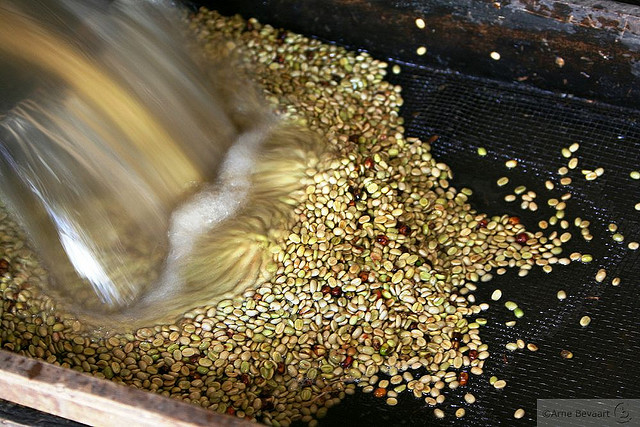
- Washing: The fermented beans are rinsed in clean, flowing water while being agitated to remove all mucilage.
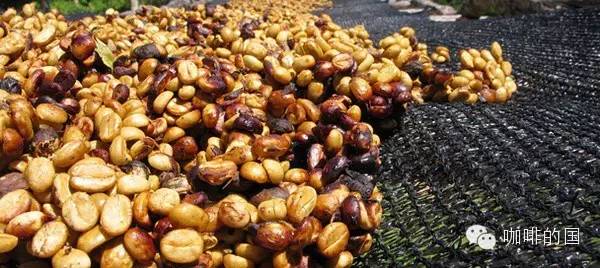
- Drying (to 12% moisture): Beans are dried either in the sun (taking 1–3 weeks) or with machines. Sun-drying is preferred in specialty coffee for better flavor development.
- Hulling: Once dried to 12% moisture, the beans are stored or sent to mills to remove the parchment skin and silver skin.
- Sorting & Grading: Defective beans are removed and the remaining beans are sorted by density and size for export.
Other Processing Methods: Natural and Honey
Beyond washed, two other major methods significantly change how coffee tastes:
- Natural (Dry) Process: Whole coffee cherries are dried in the sun with all layers intact. This leads to fuller body, intense sweetness, and bold fruit flavors — but can result in uneven drying and less consistent quality. The beans look less uniform after drying.
- Honey (Pulped Natural) Process: The skin and pulp are removed, but most or all of the mucilage is left on the beans during drying. Depending on how much mucilage is removed, it’s categorized into Yellow Honey (60% removed), Red Honey (30% removed), and Black Honey (almost none removed). This creates a balance between the clarity of washed coffee and the sweetness of natural.
There are also regional variations like Kenya’s 72-hour double fermentation (fermented 24–32 hours, then done again for a total of 72 hours), and Ethiopia’s semi-washed method, which removes most of the mucilage before a short sun-dry.
Yirgacheffe Coffee: A Washed Processing Showcase
Yirgacheffe, a small region within Ethiopia’s Sidama zone, is famous for its washed coffees. Grown at elevations of 1,800 meters and higher, local varieties are processed using the traditional washed method. The result? Bright citrus, floral notes like jasmine, and delicate tea-like body. For example, beans from the nearby Gedeb cooperative — one of Yirgacheffe’s top micro-regions — score an impressive 94 points from CoffeeReview, thanks to advanced processing equipment and careful fermentation control.
Flavor notes typical of washed Yirgacheffe include jasmine, lemon, bergamot, honey, and black tea. It’s a classic introduction to Ethiopian coffee and what makes washed processing so loved by specialty roasters and drinkers alike.
How Coffee Beans Are Dried
Drying is critical — no matter the processing method. After removing the outer fruit layers (either fully or partially), coffee beans must be dried to a safe moisture level of 12%. Too much moisture leads to mold and fermentation defects.

- Sun Drying: The traditional method, where beans are spread on raised beds or patios and turned regularly. Takes 1–3 weeks, develops complex flavors, and is preferred for washed and honey coffees.
- Machine Drying: Faster, using mechanical dryers, but can reduce flavor quality compared to sun drying.
For washed Yirgacheffe, sun drying is the standard to achieve optimal cup quality.
Frequently Asked Questions
What is the difference between washed and natural coffee processing?
Washed processing removes the coffee cherry's skin, pulp, and mucilage before drying the beans, resulting in a clean, acidic, and bright cup. Natural processing dries the whole cherry with the bean inside, leading to a sweeter, fruitier, and fuller-bodied coffee. Washed coffees highlight clarity and acidity, while naturals emphasize sweetness and complexity.
How long does coffee fermentation take in the washed process?
In the washed coffee process, fermentation typically takes between 18 to 36 hours. Some regions, like Kenya, use extended fermentation — for example, Kenya’s washed process often ferments beans for 24–32 hours, and the Yirgacheffe region’s renowned Kenya-influenced method uses a 72-hour double fermentation (two rounds of 24–36 hours each).
Does coffee processing affect flavor?
Yes, coffee processing has a major impact on flavor. Washed processing results in bright, acidic, and clean-tasting coffee. Natural processing leads to sweet, fruity, and full-bodied profiles. Honey processing offers a balance with more body and sweetness than washed but more clarity than natural. Each method highlights different flavor characteristics in the final cup.
What is the ideal moisture level for dried coffee beans?
The ideal moisture level for dried coffee beans is 12%. Beans are dried from around 50% moisture (after washing) down to 12% to prevent mold and ensure proper storage and roasting. This applies to washed, natural, and honey processed beans.
What is the Yirgacheffe coffee region known for?
Yirgacheffe is a small but world-famous coffee region in Ethiopia’s Sidama zone, known for high-altitude (1,800+ meters) washed coffees with bright acidity, floral notes like jasmine, citrus such as lemon and bergamot, and tea-like body. It’s considered one of Ethiopia’s top specialty coffee origins.
Recommended FrontStreet Yirgacheffe Coffees
Start your washed Yirgacheffe journey with FrontStreet Coffee’s signature Yirgacheffe — a light-roast single origin with vibrant notes of white jasmine, citrus, lemon, honey, and tea. For a more terroir-driven experience, try the Gedeb Cooperative version, celebrated for its exceptional clarity and balance. Both showcase the hallmark traits of the washed Yirgacheffe process: bright acids, floral aromas, and crisp tea-like body. Freshly roasted within 5 days · Orders placed before 17:00 ship the same day · Next-day delivery across most of Guangdong Province.
FrontStreet Coffee is a long-established specialty coffee roaster in Guangzhou China, selling freshly roasted beans from its own farm in Yunnan as well as dozens of carefully selected single-origin beans from around the world for both pour-over and espresso. The products deliver consistently excellent quality and great value, with shipping within 24 hours. Guangzhou's FrontStreet Coffee shop is recommended by many coffee lovers, and the beans are now available online at the Tmall 。
Important Notice :
前街咖啡 FrontStreet Coffee has moved to new addredd:
FrontStreet Coffee Address: 315,Donghua East Road,GuangZhou
Tel:020 38364473