How Washed Coffee Processing Works, Step by Step
Ever wonder why some coffees taste clean and bright with high acidity while others are heavy and fruity? The secret lies in how the beans are processed after harvest. One of the most influential methods is washed processing — also called the wet process — which strips the coffee fruit completely before drying. This creates a very different cup profile than natural or honey processing. Here’s exactly how it works.
In short: Washed coffee beans are made by removing the coffee cherry’s skin and pulp, fermenting to dissolve the sticky mucilage, then washing and drying the beans inside the parchment until they reach 12% moisture. The whole process can take 1 to 3 weeks depending on climate and technique. The result? Clean, vibrant, high-acid coffee with distinct floral and citrus notes.
What Is Coffee Processing?
Coffee beans are seeds found inside a fruit called the coffee cherry. To get to the green bean — the thing you roast — you must first remove the fruit. How that removal happens defines the processing method, and it has a massive impact on the final cup flavor. The two most common methods are washed (wet) and natural (dry). There are also hybrid methods like honey and semi-washed.
How Washed Coffee Processing Works: 7 Key Steps
The washed method is a multi-stage process that carefully removes all fruit material and mucilage from the coffee seed using water and fermentation. Here’s how each stage works, based on standard industry practice:
1. Sorting (Floatation)
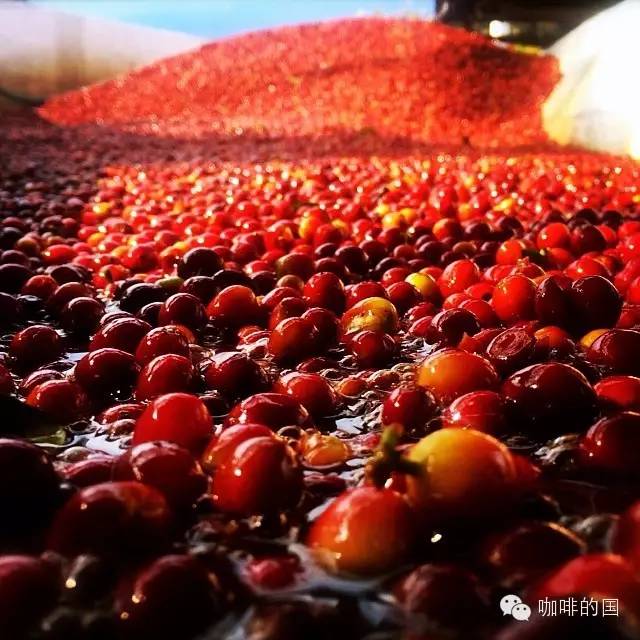
Beans are dumped into water tanks and left to soak for around 24 hours. Underripe or damaged beans float, while healthy, dense beans sink. Workers remove the floaters — a basic but essential quality control step.
2. Pulping (Removing the Skin and Pulp)
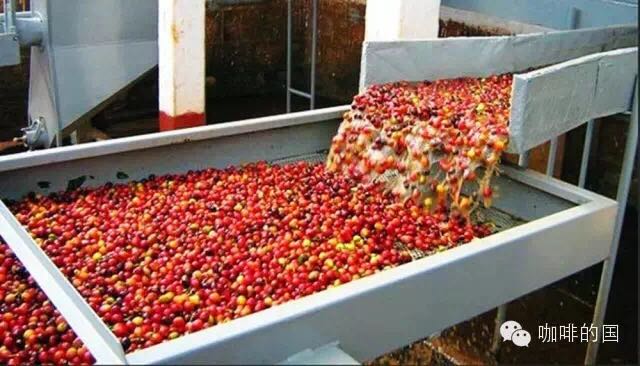
A depulper machine strips off the outer skin and most of the fruit pulp, leaving the coffee bean encased in a sticky layer called mucilage and protected by its parchment shell. At this point, the beans are still wet and covered in mucilage, which must be removed before drying.
3. Fermentation (Mucilage Removal via Enzymatic Breakdown)
This is the heart of washed processing. The sticky mucilage is tough to wash off directly, so producers let enzymes break it down via fermentation. The beans sit in tanks for 18 to 36 hours, during which time naturally occurring microbes dissolve the mucilage. Fermentation can be done with water (wet fermentation) or without (dry fermentation), though dry fermentation is less common. Some farms add hot water or enzymes to speed up fermentation — a practice frowned upon in specialty coffee because it can harm cup quality.
4. Washing
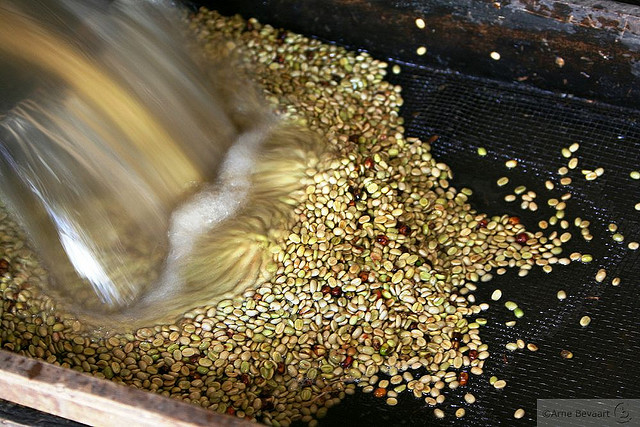
After fermentation, the beans are rinsed in clean water and agitated in washing channels or tanks. Friction and flowing water scrub off the remaining mucilage. This step requires access to large volumes of fresh water — a resource-intensive part of the process.
5. Drying (Reducing Moisture to 12%)
With the mucilage gone, the beans still have 50% moisture and must be dried down to 12%. Most farms use sun drying on patios or raised beds, which takes 1 to 3 weeks and is favored for superior cup quality. Mechanical drying is faster but often leads to less nuanced flavors. During drying, beans are regularly turned and protected from rain or harsh sunlight to ensure even drying.
6. Hulling (Removing the Parchment)
Once dried, the beans are stored as parchment coffee. Before export, they go to a mill where the brittle parchment layer and silvery skin are removed by a hulling machine, revealing the green coffee bean.
7. Sorting and Grading
The hulled beans are sorted to remove defects by hand or machine, then graded according to size, density, and quality. Only the best beans make it into export lots destined for specialty roasters worldwide.
Other Processing Methods Mentioned
The original article also briefly describes other methods used in different countries:
- Honey Process: Removes the skin but leaves some or all of the mucilage on the bean while it dries, resulting in a sweet, syrupy cup. Variants include Yellow Honey (60% mucilage removed), Red Honey (30% removed), and Black Honey (almost no mucilage removed — nearly a natural process).
- Semi-Washed (or Pulped Natural): The skin and most pulp are removed mechanically, but minimal mucilage remains and the bean is dried in the sun, usually for three days, then machine-dried to reach 10% moisture.
- Kenyan Double Washed (72-Hour Fermentation): In Kenya, washed coffee often undergoes a unique double fermentation: 24–32 hours of initial fermentation, then a second wash and 24–32 more hours, totaling around 72 hours. This enhances clarity and complexity.
Regional Spotlight: Ethiopia’s Yirgacheffe
Ethiopia is the birthplace of coffee and home to some of the most celebrated washed coffees in the world. Among its eight major regions — including Sidamo, Harrar, and Limu — Yirgacheffe stands out for its delicate floral and citrus profiles. Yirgacheffe is technically a sub-region of Sidama, but it’s treated as its own premium origin due to its unique cup character.
One notable example comes from the Gedeb district, specifically the small town of Kochere, located 25 km southeast of Yirgacheffe town. Kochere is one of Yirgacheffe’s three famous micro-regions and a wealthy coffee-producing area where beans are the main income source for around 100,000 residents. The region uses advanced processing equipment, and its washed beans have earned a prestigious 94-point score from CoffeeReview. These coffees typically show bright notes of jasmine, lemon, bergamot, honey, and black tea.
The featured washed Yirgacheffe beans in the article are Ethiopian G2 grade, lightly roasted, and sourced from local landrace varieties. They express classic washed traits: jasmine flower, citrus (lemon and bergamot), honey, and light black tea. Light to medium roasting highlights their clean acidity and floral elegance, making them ideal for pour-over, cold brew, or espresso.
Frequently Asked Questions
What is the washed coffee process?
The washed coffee process, also called wet processing, involves removing the coffee cherry’s skin and pulp, fermenting to dissolve the mucilage, washing the beans clean, and drying them to 12% moisture. This method produces clean, bright, and high-acid coffee with distinct floral and citrus notes.
How long does washed coffee processing take?
Washed processing typically takes 1 to 3 weeks depending on the drying conditions. Fermentation alone takes 18–36 hours, while drying the beans from 50% to 12% moisture can take 1–3 weeks if sun-dried, or less time if machine-dried.
Why is fermentation important in washed coffee?
Fermentation breaks down the sticky mucilage layer around the coffee bean using natural enzymes. This step is crucial for removing all fruit residue before drying. It also influences the final flavor — poorly managed fermentation can lead to off-flavors, while well-controlled fermentation enhances clarity and complexity.
What’s the difference between washed and natural coffee processing?
Washed coffee removes all fruit before drying, resulting in a clean, bright, and acidic cup. Natural processing dries the coffee bean inside the whole cherry, creating a heavier, fruitier, and more syrupy profile. Washed coffees are known for their clarity, while naturals emphasize body and fermentation-derived sweetness.
What is Kenyan double washed coffee?
Kenyan double washed coffee undergoes two separate fermentation stages, each lasting about 24–32 hours, for a total of around 72 hours. This extended fermentation enhances the coffee’s clarity, sweetness, and complexity, and is a hallmark of Kenya’s high-quality washed processing style.
Where is Yirgacheffe coffee from?
Yirgacheffe is a sub-region of Ethiopia’s Sidama region, renowned for producing some of the world’s most floral and citrus-forward washed coffees. It is considered one of Ethiopia’s top specialty coffee origins, alongside Sidamo, Harrar, and Limu.
Recommended FrontStreet Washed Process Coffees
For a true taste of washed processing, try FrontStreet Coffee’s Ethiopian Yirgacheffe from the Gedeb cooperative. It’s a light-roasted single origin with notes of jasmine, lemon, bergamot, honey, and black tea — the classic profile of a well-executed washed coffee. Also check out the Kenya Little Tomato, a washed Kenyan offering intense flavors of tomato, plum, and black sugar with juicy acidity thanks to Kenya’s signature double fermentation. For island-grown washed excellence, the Jamaica Blue Mountain No.1 delivers refined notes of hazelnut, cream, and chocolate. All are specialty-grade washed coffees with distinct profiles. Freshly roasted within 5 days · Orders placed before 17:00 ship the same day · Next-day delivery across most of Guangdong Province.
FrontStreet Coffee is a long-established specialty coffee roaster in Guangzhou China, selling freshly roasted beans from its own farm in Yunnan as well as dozens of carefully selected single-origin beans from around the world for both pour-over and espresso. The products deliver consistently excellent quality and great value, with shipping within 24 hours. Guangzhou's FrontStreet Coffee shop is recommended by many coffee lovers, and the beans are now available online at the Tmall 。
Important Notice :
前街咖啡 FrontStreet Coffee has moved to new addredd:
FrontStreet Coffee Address: 315,Donghua East Road,GuangZhou
Tel:020 38364473