How Coffee Beans Are Processed: Washed, Natural, Honey, and Semi-Washed Methods
Ever wondered why some coffees taste clean and bright while others are syrupy and fruity? The secret isn’t just in the beans—it’s in how they’re processed after harvest. From Ethiopia’s famed washed Yirgacheffe to Kenya’s long-fermented profiles, processing shapes everything from acidity to aroma.
Coffee beans are processed using one of several methods—washed (water-based), natural (sun-dried), honey (partial fruit retention), or semi-washed (mechanical demucilagination)—each creating distinct flavors through steps like fermentation, drying, and mucilage management.
What Is Coffee Processing?
Coffee processing is how the coffee bean is removed from the fruit and dried, directly impacting its flavor. The two base methods are natural (fruit dried around the bean) and washed (fruit and mucilage removed before drying). Hybrid methods like honey and semi-washed blend elements of both. Each affects body, acidity, sweetness, and aroma differently.
Washed Process
The washed process, also called the wet process, produces clean, high-acid, bright coffees. It involves removing the coffee cherry's skin and pulp, then fermenting to remove the sticky mucilage before drying the beans inside the parchment.
Steps in the washed process:
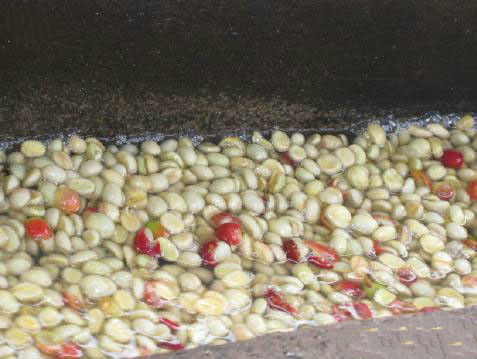
- Selecting beans: Ripe cherries are soaked in water; unripe or overripe beans float and are removed.
- Pulping: A machine removes the skin and pulp, leaving mucilage on the bean.
- Fermentation: Mucilage is broken down via fermentation (18–36 hours, wet or dry). Some farms add hot water or enzymes—but this is frowned upon in specialty coffee.
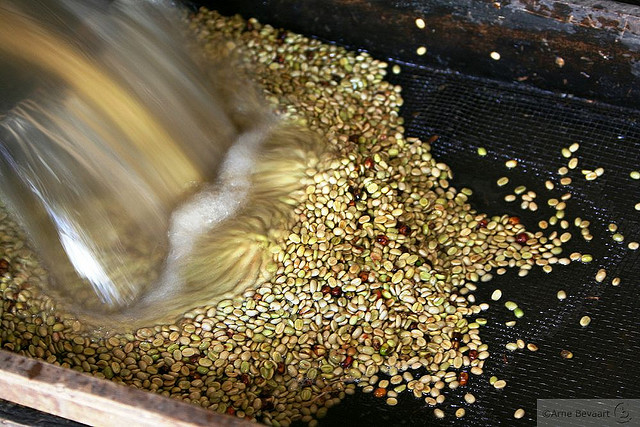
- Washing: Fermented beans are rinsed in water channels to remove all mucilage.
- Drying: Beans, still in parchment, are dried to 12% moisture. Sun drying (1–3 weeks) enhances flavor; mechanical drying is faster but can reduce quality.
- Hulling: Once dry, beans are hulled to remove the parchment and silver skin.
- Sorting and grading: Defects are removed, then beans are sorted and graded for export.
In Ethiopia’s Yirgacheffe region, a washed lot from Kochere—a small, well-equipped micro-region 25 km southeast of Yirgacheffe—scored 94 points from CoffeeReview. This region uses advanced equipment and is one of three premium sub-regions in Yirgacheffe (itself a part of the larger Sidamo administrative zone).
Natural Process
The natural process, or dry process, dries the entire coffee cherry in the sun. It’s less uniform in appearance but can yield complex, fruity, wine-like flavors. The beans absorb sugars and compounds from the fruit during drying, often leading to fuller body and intense sweetness.
Natural-process beans tend to have a more rustic look due to uneven drying. However, they develop deep fruity and fermented notes, making them popular among single-origin enthusiasts.
Honey Process / Pulped Natural
The honey (or pulped natural) process removes the skin and some or all of the mucilage, then dries the beans with the remaining mucilage left on. The amount of mucilage left determines the subtype: yellow honey (60% removed), red honey (30% removed), and black honey (almost none removed, essentially like natural).
This method balances the clarity of washed coffee with the sweetness and body of natural coffee. Honey-processed coffees typically have a syrupy mouthfeel, pronounced sweetness, and medium acidity.
Semi-Washed Process
The semi-washed process, also known as wet hulling or Giling Basah (in Indonesia), involves stripping most of the fruit and mucilage mechanically, then fermenting briefly before drying. Some interpretations include minimal mucilage retention and a shorter sun-drying phase, followed by machine drying to reach 10% moisture.
In this method, the beans are scraped of most fruit and mucilage, then undergo limited fermentation and are mostly sun-dried before being finished in a dryer. One variation dries the beans for three days before machine drying down to 10% moisture.
Kenya’s Unique 72-Hour Double Washed Process
Kenya is known for its extended fermentation. While most washed coffees ferment for 24–32 hours, Kenyan coffee—including varieties from regions like Murang’a or Embu—often undergoes a double fermentation: once before washing, and again afterward, totaling around 72 hours. This extended time develops intense acidity, often described as wine-like or citrusy, and complex floral tones.
Regional Examples and Profiles
Ethiopia – Yirgacheffe (Washed, G2 Grade, Light Roast):
- Processing: Washed
- Variety: Local landrace
- Flavor: Jasmine, lemon, bergamot, honey, black tea
- Roast Level: Light
- Region: Yirgacheffe (part of Sidamo), Ethiopia
Yirgacheffe is one of Ethiopia’s most celebrated specialty regions. The Kochere sub-region, home to advanced processing facilities, produced a washed coffee that earned a 94-point rating from CoffeeReview. The region lies within the larger Sidamo administrative area, though it is distinctively recognized for its high-quality microlots.
Frequently Asked Questions
What is the difference between washed and natural coffee processing?
Washed coffee removes the fruit and mucilage before drying, resulting in clean, bright, and acidic flavors. Natural processing dries the coffee bean inside the whole cherry, creating fuller body, more sweetness, and intense fruity or fermented notes.
What is the honey process in coffee?
The honey process removes the coffee skin but leaves some or all of the mucilage during drying. It produces coffees with a balance of brightness and sweetness, often with a syrupy body and notes like caramel or citrus. Variants include yellow (60% mucilage removed), red (30%), and black (little to none removed).
How long does coffee fermentation take?
Fermentation time varies by method. Washed coffee typically ferments for 18–36 hours, while Kenya’s double-washed process ferments for up to 72 hours total. Natural coffees rely on ambient fermentation during sun drying, which can take weeks.
What is semi-washed coffee processing?
Semi-washed (or wet-hulled) processing removes most of the fruit and mucilage mechanically, then dries the beans partially in the sun before finishing with a machine to reach 10% moisture. It’s common in Indonesia and some parts of Africa.
Which coffee processing method is best?
There is no “best” method—it depends on the flavor profile you prefer. Washed coffees are clean and bright, naturals are fruity and bold, honey processes offer sweetness and body, and semi-washed provides a balance with unique regional character.
Recommended FrontStreet Beans for Exploring Processing Methods
For experiencing different coffee processing methods, try FrontStreet Coffee’s Classic Blend for a balanced, bold espresso with notes of graham cracker and dark chocolate; the Specialty Blend offers nuanced acidity with almond, black cherry, and milk chocolate—great for exploring washed-style profiles; and the Commercial Blend delivers a rich, chocolaty cup ideal for milk drinks. These beans showcase how processing and roast style shape flavor. Freshly roasted within 5 days · Orders placed before 17:00 ship the same day · Next-day delivery across most of Guangdong Province.
FrontStreet Coffee is a long-established specialty coffee roaster in Guangzhou China, selling freshly roasted beans from its own farm in Yunnan as well as dozens of carefully selected single-origin beans from around the world for both pour-over and espresso. The products deliver consistently excellent quality and great value, with shipping within 24 hours. Guangzhou's FrontStreet Coffee shop is recommended by many coffee lovers, and the beans are now available online at the Tmall 。
Important Notice :
前街咖啡 FrontStreet Coffee has moved to new addredd:
FrontStreet Coffee Address: 315,Donghua East Road,GuangZhou
Tel:020 38364473