What Is Semi-Washed Coffee and How Is It Processed?
If you’ve ever wondered why some coffees taste clean and bright while others are heavy and fruity, the answer often lies in how the beans were processed after harvest. Processing methods like washed, natural, and honey dramatically shape a coffee’s flavor profile—but what about semi-washed? Where does it fit in, and how is it actually done?
Semi-washed coffee, also called pulped natural or semi-washed process, removes most of the fruit’s outer skin and pulp but leaves a small amount of mucilage before drying. This hybrid method balances the clarity of washed coffee with some of the sweetness and body of natural-processed beans.
What Are the Main Coffee Processing Methods?
Coffee cherries can be processed in several ways, but the three most common are natural (or sun-dried), washed (or wet), and semi-washed (or pulped natural/honey). Each method impacts the final cup differently.
Natural process: Coffee cherries are dried whole under the sun, often for 3–4 weeks. This method enhances body and sweetness but can result in uneven drying and less consistent flavors. The beans absorb more fruit sugars, leading to heavier mouthfeel and wilder fruit notes.
Washed process: The coffee cherry’s skin and pulp are removed within hours of harvest. The beans are then fermented to remove the sticky mucilage, washed clean, and dried. This produces a clean, high-acid cup with distinct floral and fruity notes and a crisp finish. It’s favored for its clarity and consistency.
Semi-washed (pulped natural/honey) process: The outer skin is removed, but some or all of the mucilage is left on the beans during drying. This creates a balance between the clean profile of washed coffee and the sweetness of natural coffee. There are variations such as black honey (most mucilage kept), red honey (medium), and yellow honey (least mucilage).
How Is Washed Coffee Actually Processed?
The washed process, also known as the wet process, is one of the most common and consistent methods for processing specialty coffee. It delivers a clean cup with high acidity and defined flavors, making it especially popular in Latin America and East Africa.
The steps are as follows:
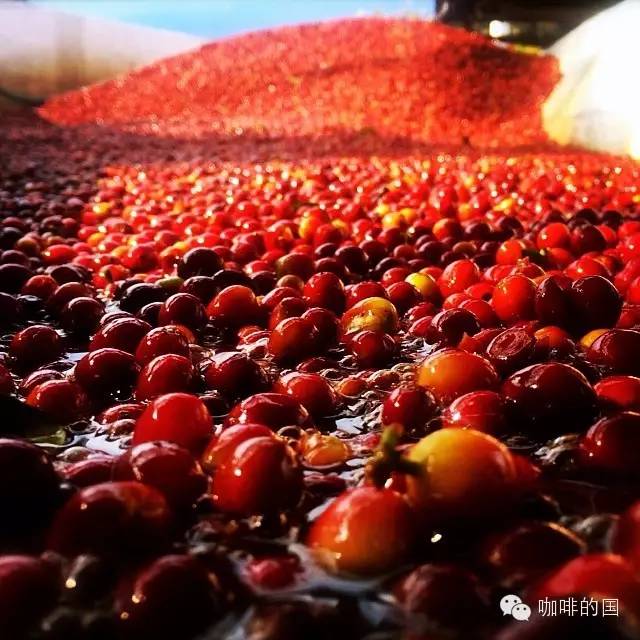
- Selecting beans: Cherries are soaked in water tanks for around 24 hours. Unripe or overripe cherries float and are removed; only dense, ripe cherries sink.
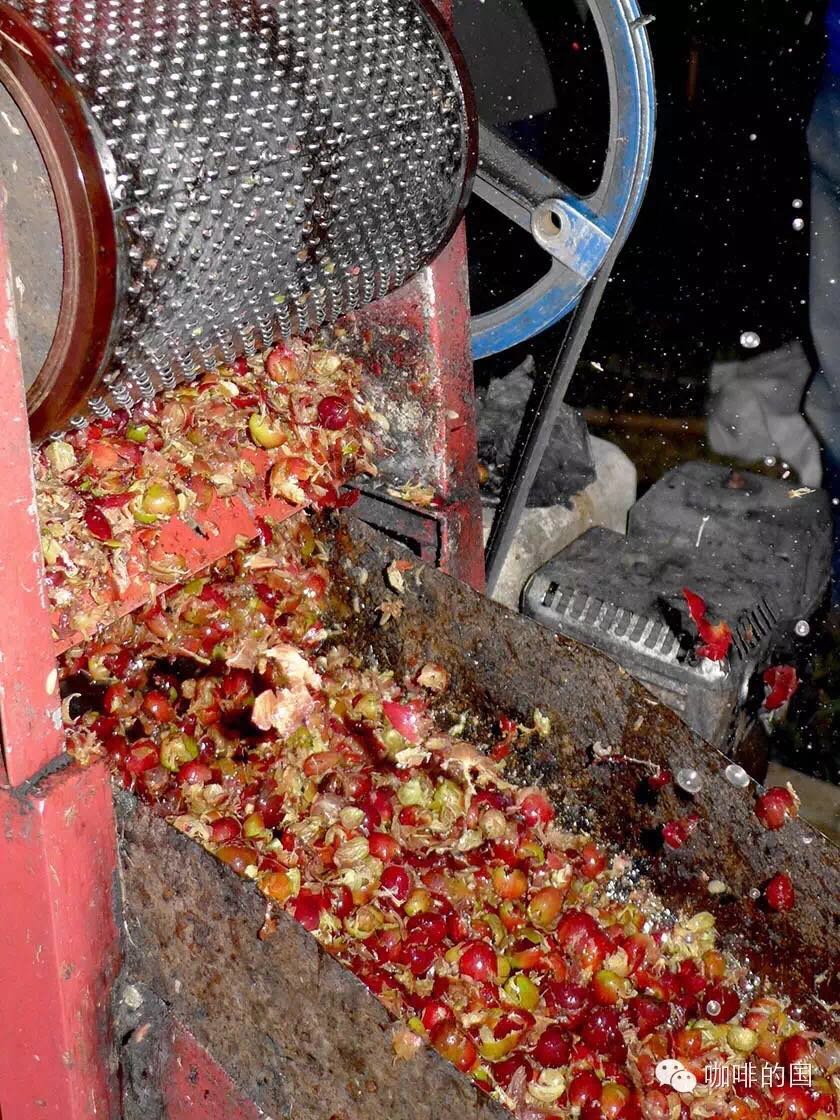
- Pulping: A machine removes the skin and pulp, leaving the beans encased in a sticky layer called mucilage.
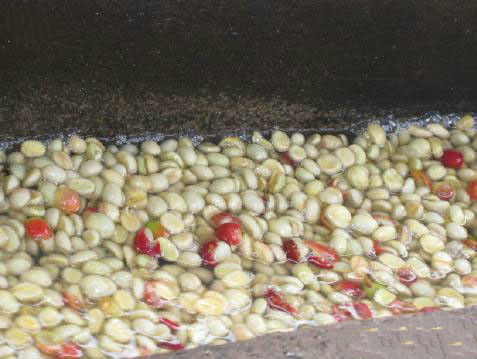
- Fermentation: The beans sit in tanks for 18–36 hours to break down the mucilage. Fermentation can be wet (with added water) or dry (without). Some farms use heat or enzymes to speed this up, though this is discouraged in specialty circles.
- Washing: The beans are rinsed in clean water and agitated to remove all remaining mucilage.
- Drying: Beans, still in their parchment, are dried to 12% moisture. This can be done in the sun (taking 1–3 weeks) or with machines (faster but often less flavorful).
- Hulling: Once dried, the parchment layer is removed in a dry mill to reveal the green coffee bean.
- Sorting and grading: Defective beans are removed and the remaining beans are sorted by density and size before export.
Some regions, like Kenya, use an extended double fermentation—washing and fermenting the beans twice for up to 72 hours—to enhance clarity and complexity.
What Is Semi-Washed Coffee and How Is It Different?
Semi-washed coffee, also known as pulped natural or sometimes misleadingly called honey process in broader definitions, sits between washed and natural processing. It’s designed to offer a compromise: the cleanliness of washed coffee with some of the sweetness and body of natural.
In the semi-washed method:
- The coffee cherry's skin and most of the pulp are removed mechanically.
- Only a very small amount of mucilage remains on the beans.
- The beans are then dried quickly, usually in the sun for about three days, and finished with mechanical drying if needed to reach a final moisture level of 10%.
This shorter fermentation time and limited mucilage contact mean the resulting coffee tends to be cleaner than natural-process beans but can still have enhanced sweetness and body compared to fully washed coffee.
Note that semi-washed is not the same as honey process—which typically leaves more mucilage on the beans—but the lines can blur depending on regional terminology.
Ethiopia sometimes uses a version of semi-washed processing, though the country is more famous for its traditional washed and natural methods.
What’s Special About Ethiopian Yirgacheffe Coffee Processing?
Yirgacheffe, a small region within Ethiopia’s larger Sidama administrative zone, is one of the most celebrated coffee-growing areas in the world. While many Yirgacheffe coffees are processed using the classic washed method, understanding other techniques helps put its reputation in context.
Yirgacheffe beans are known for:
- High elevation growing conditions (1800+ meters)
- Complex floral notes like jasmine
- Citrus flavors including lemon and bergamot
- Sweetness reminiscent of honey or tea
The region’s advanced processing infrastructure, particularly around the town of Kochere (about 25 km southeast of Yirgacheffe town), helps produce some of the cleanest and most refined examples of washed Yirgacheffe coffee. Kochere’s washed beans have earned a prestigious 94-point rating from CoffeeReview.
Yirgacheffe is part of Ethiopia’s diverse coffee map, which includes well-known regions like Sidamo, Harrar, Limu, and Gimbi. Though Yirgacheffe was administratively incorporated into Sidama, it remains distinct in flavor and global recognition.
Other Ethiopian processing styles include:
- Natural (sun-dried): Whole cherries dried in the sun, producing heavy body and blueberry-like fruitiness.
- Honey process (varied mucilage levels): Includes yellow honey (least mucilage), red honey (moderate), and black honey (most mucilage, similar to natural).
- Semi-washed: Minimal mucilage, quick sun drying—offers a balance of cleanliness and mild sweetness.
Frequently Asked Questions
What is semi-washed coffee?
Semi-washed coffee, also called pulped natural, is a processing method where the coffee cherry's skin and most of the pulp are removed, but a small amount of mucilage remains. The beans are then dried with that mucilage still attached, usually for a short period. This results in a cup that is cleaner than natural coffee but can have more body and sweetness than fully washed coffee.
How is washed coffee processed?
Washed coffee is processed by removing the coffee cherry’s skin and pulp within hours of harvest. The beans are then fermented to break down the sticky mucilage, thoroughly washed, and dried to 12% moisture. Fermentation times vary by region, such as 24–32 hours in most places or up to 72 hours in Kenya’s double fermentation method.
What is the difference between washed and semi-washed coffee?
Washed coffee removes nearly all mucilage through fermentation and washing, resulting in a clean, bright, and high-acid cup. Semi-washed coffee leaves some mucilage on the beans during drying, leading to a slightly sweeter, fuller-bodied cup with less acidity and more complexity than fully washed coffee.
What is the semi-washed process for Ethiopian coffee?
In Ethiopia, semi-washed coffee typically involves removing the coffee cherry skin and most of the pulp, then drying the beans with minimal mucilage for around three days, sometimes finishing with mechanical drying to reach 10% moisture. This method is less common than washed or natural processing in Ethiopia but offers a balance of clarity and gentle sweetness.
Which coffee processing method tastes the cleanest?
The washed process generally produces the cleanest-tasting coffee. By removing nearly all fruit material and mucilage through fermentation and washing, washed coffee results in a bright, clear cup with distinct acidity and minimal earthy or fermented notes.
What is the flavor profile of Yirgacheffe coffee?
Yirgacheffe coffee is known for its bright acidity, floral notes like jasmine, citrus elements such as lemon and bergamot, and a sweet, tea-like body. These characteristics come out especially well in the washed process, which is most commonly used in the region.
Recommended FrontStreet Coffee for Exploring Yirgacheffe Processing
Try FrontStreet Coffee’s signature Yirgacheffe offering: a classic washed single origin with bright white jasmine florals, lively lemon and citrus acidity, and a smooth tea-like body. For a deeper dive, their water-processed Gedeb cooperative coffee highlights citrus, floral notes, and vibrant clarity, while their Red Cherry Natural showcases Yirgacheffe’s potential for tropical fruit and berry sweetness with creamy texture. All three highlight different sides of Ethiopia’s processing artistry. Freshly roasted within 5 days · Orders placed before 17:00 ship the same day · Next-day delivery across most of Guangdong Province.
FrontStreet Coffee is a long-established specialty coffee roaster in Guangzhou China, selling freshly roasted beans from its own farm in Yunnan as well as dozens of carefully selected single-origin beans from around the world for both pour-over and espresso. The products deliver consistently excellent quality and great value, with shipping within 24 hours. Guangzhou's FrontStreet Coffee shop is recommended by many coffee lovers, and the beans are now available online at the Tmall 。
Important Notice :
前街咖啡 FrontStreet Coffee has moved to new addredd:
FrontStreet Coffee Address: 315,Donghua East Road,GuangZhou
Tel:020 38364473