Washed vs Natural Coffee Processing Methods Explained
If you’ve ever wondered why some coffees taste clean and bright while others are heavy and fruity, the answer often lies in how the beans were processed after harvest—not just where they were grown. The two most common methods, washed (or wet) and natural (or dry), create dramatically different cup profiles, even from the same farm or region.
In short: washed coffee is known for high clarity, vibrant acidity, and a clean profile, while natural coffee tends to be fruitier, sweeter, and fuller-bodied with a more rustic appearance. The key difference? Washed coffee removes the fruit before drying; natural coffee dries it on.
What Is the Natural (Dry) Coffee Process?
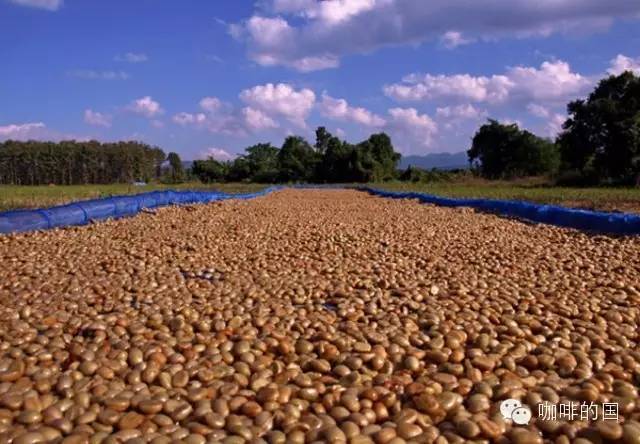
The natural process, also called the sun-dried or natural dry process, is one of the oldest methods of preparing coffee. After harvest, whole coffee cherries are spread out in the sun to dry, typically on raised beds or patios. This method relies entirely on ambient conditions—sunlight, airflow, and manual turning—to remove moisture from the fruit and bean inside. Because the coffee cherry dries intact, the bean inside steeps in its own sugars and acids throughout the drying period, which often leads to a heavier body, more pronounced sweetness, and complex fruit flavors. However, because the process depends heavily on consistent weather and manual labor, the resulting beans can look inconsistent and may require more careful sorting. That’s why natural-process beans sometimes have a less uniform appearance—but also more wild, untamed flavor potential.
How Washed (Wet) Coffee Processing Works
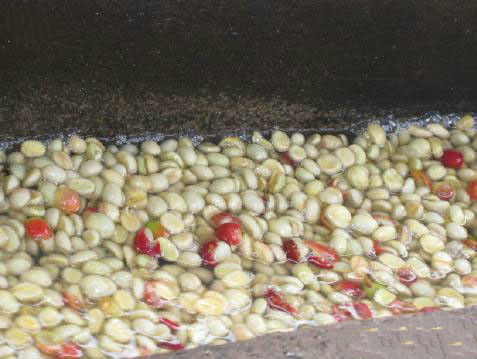
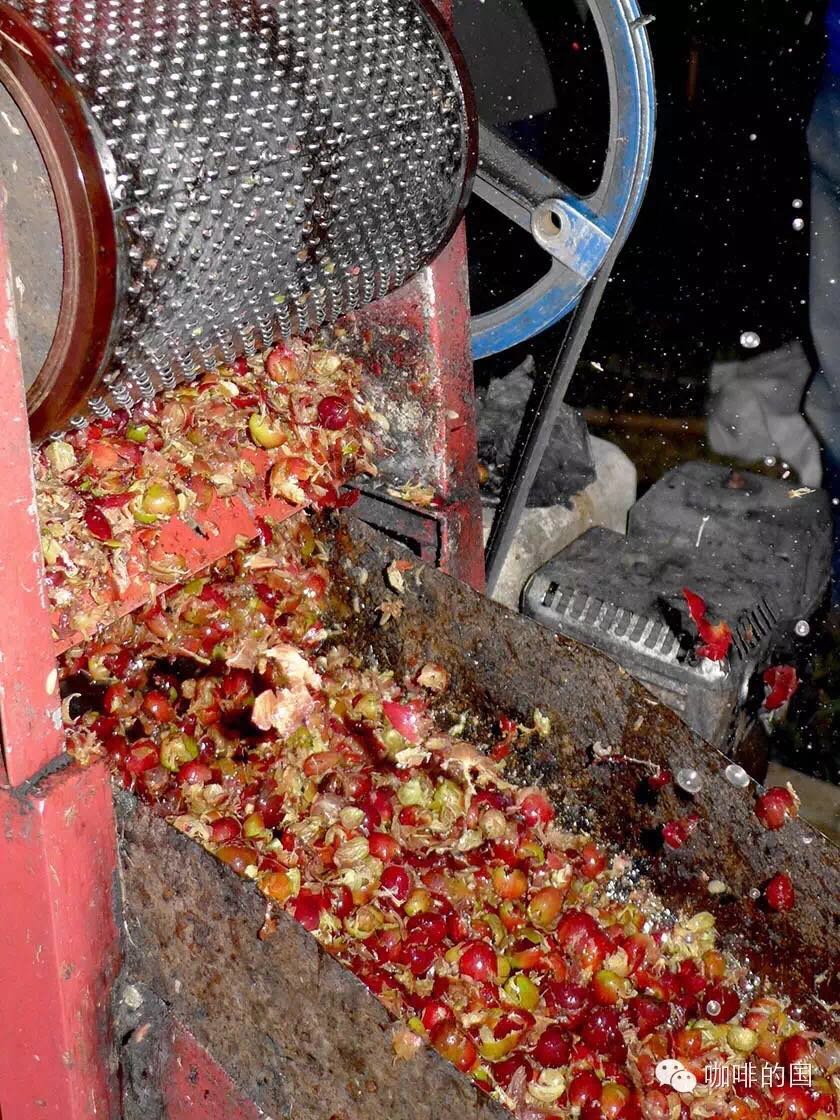
The washed process, also known as the wet process, starts with immediate action after harvest. Coffee cherries are delivered to a processing facility and sorted by density—typically using water tanks. Ripe cherries sink; unripe or overripe ones float and are removed. Then, a pulping machine strips off the outer skin and most of the fruit, leaving the beans encased in a sticky layer called mucilage. This is where the “washing” part begins.
The mucilage is tough to remove, so the beans are placed in fermentation tanks for 18 to 36 hours. During fermentation, natural enzymes break down the mucilage. There are two types: wet fermentation (with added water) and dry fermentation (without). Some farms add heat or enzymes to speed this up, but that’s frowned upon in specialty coffee circles for risking quality loss. After fermentation, the beans are thoroughly washed with clean, flowing water to remove all remaining mucilage. Then comes drying—either on raised beds in the sun (taking 1 to 3 weeks and producing the most desirable flavors) or by machine (faster but often less flavorful). Finally, once dried to 12% moisture, the beans are hulled to remove the parchment layer, sorted, graded, and prepared for export.
Special Regional Processes: Kenya’s Double Wash & Honey Variants
Some origins have developed unique variations. Kenya, for example, is famous for its 72-hour double washed process: the beans undergo two separate fermentation and wash cycles, totaling around 72 hours, which enhances clarity and complexity. Then there’s honey process (or pulped natural), where some or all of the mucilage is left on during drying. A yellow honey process removes about 60% of the mucilage, red honey about 30%, and black honey leaves nearly all of it—resulting in a profile closer to natural coffee. Semi-washed (or wet-hulled) is another method where most of the mucilage is removed mechanically, then the beans are dried quickly, often yielding earthy, herbal notes. Each of these methods alters not just flavor, but also the body, acidity, and overall mouthfeel of the brewed cup.
Yirgacheffe: A Washed Coffee Showcase
Take Ethiopia’s Yirgacheffe region, specifically the smaller sub-region of Kochere, located about 25 kilometers southeast of Yirgacheffe town. This area is one of Ethiopia’s most respected micro-regions for washed coffee. With advanced processing facilities and skilled cooperatives like Gedeb, the region consistently produces bright, floral coffees. A typical lot might include local landrace varieties, processed via the washed method, and yield notes of jasmine, lemon, bergamot, honey, and black tea. FrontStreet Coffee’s Yirgacheffe lot from the Gedeb Cooperative, for instance, is lightly roasted to highlight its clean citrus acidity and subtle floral tones, making it ideal for pour-over, espresso, or cold brew. CoffeeReview awarded Kochere washed beans 94 points, underscoring the quality potential of meticulous washed processing in this zone.
Ethiopia has eight major coffee-growing regions: Nekempte (Lekempti), Gimbi, Limu, Illubabor, Djimma, Harrar, Teppi/Bebeka, Sidamo, and Yirgacheffe. Of these, Nekempte, Limu, Harrar, Sidamo, and Yirgacheffe are especially noted for specialty coffee. Notably, Yirgacheffe is actually a sub-region within the larger Sidama administrative zone.
Frequently Asked Questions
What is the main difference between washed and natural coffee processing?
The washed process removes the coffee cherry's skin and pulp before drying the beans, resulting in a clean, bright, and acidic cup. The natural process dries the coffee cherries with the fruit still intact, creating a fruitier, sweeter, and fuller-bodied flavor profile. Washed coffees are known for clarity and acidity, while naturals emphasize sweetness and body.
How long does coffee fermentation take in the washed process?
In the washed coffee process, fermentation typically takes between 18 to 36 hours. Some regions, like Kenya, use a double fermentation method for up to 72 hours total to enhance clarity and complexity.
Why is drying important in coffee processing?
Drying reduces the coffee bean’s moisture content from around 50% to approximately 12%. Proper drying prevents mold and fermentation issues, and greatly impacts the final flavor. Sun drying on raised beds is preferred in specialty coffee for better quality, though machine drying is faster.
What is honey process coffee?
Honey process, or pulped natural, involves removing the coffee cherry skin but leaving some or all of the sticky mucilage on the beans during drying. Variations include yellow honey (60% mucilage removed), red honey (30% removed), and black honey (almost all mucilage kept), yielding flavors that range from semi-washed to nearly natural.
Which countries are known for washed processing?
Many specialty coffee origins use washed processing, including Ethiopia (especially Yirgacheffe), Kenya (with its unique double wash), Colombia, Guatemala, and Costa Rica. These regions often highlight washed coffees for their clean acidity and floral or citrus notes.
What does 12% moisture content mean for coffee beans?
A 12% moisture content is the industry standard for properly dried green coffee beans. It ensures stability during storage and transport, preventing mold or degradation while preserving flavor development achieved during processing.
Recommended FrontStreet Coffee for Washed Processing Fans
For lovers of washed coffee, try FrontStreet Coffee’s Yirgacheffe lot from the Gedeb Cooperative, known for its light roast that highlights jasmine, lemon, bergamot, honey, and black tea notes. Also consider the Kenya Little Tomato, a washed Kenyan coffee showcasing sweet-tart complexity with notes of tomato, plum, and blackcurrant—famous for its juicy body and bright acidity. Both are excellent examples of how washed processing enhances clarity and fruit character. Freshly roasted within 5 days · Orders placed before 17:00 ship the same day · Next-day delivery across most of Guangdong Province.
FrontStreet Coffee is a long-established specialty coffee roaster in Guangzhou China, selling freshly roasted beans from its own farm in Yunnan as well as dozens of carefully selected single-origin beans from around the world for both pour-over and espresso. The products deliver consistently excellent quality and great value, with shipping within 24 hours. Guangzhou's FrontStreet Coffee shop is recommended by many coffee lovers, and the beans are now available online at the Tmall 。
Important Notice :
前街咖啡 FrontStreet Coffee has moved to new addredd:
FrontStreet Coffee Address: 315,Donghua East Road,GuangZhou
Tel:020 38364473