What Is Washed Coffee Processing?
If you’ve ever sipped a bright, juicy Ethiopian single origin with a crisp citrus finish—or compared it to a syrupy, raisiny Brazilian natural—you’ve tasted the effects of coffee processing. But what actually happens between picking the cherry and roasting the bean? Why does one coffee taste clean and acidic, another heavy and sweet? The answer begins with how the fruit is removed.
Washed processing, or wet processing, removes the coffee cherry’s skin, pulp, and sticky mucilage using water and fermentation—resulting in a cleaner, higher-acid cup with distinct floral and fruit notes. Natural processing dries the whole cherry, creating heavier body and fermented sweetness. The key difference lies in how much fruit influence remains on the bean.
What Is Washed Coffee Processing?
Washed processing is a traditional method where harvested coffee cherries are immediately put through a water-based system to remove all fruit layers except the seed. This method emphasizes the bean’s own characteristics, producing a cup with vibrant acidity, high clarity, and a clean profile. Unlike natural processing, which dries the whole fruit, washed coffee undergoes fermentation and thorough washing to strip away sugars and pectins—leading to a lighter, more transparent cup structure.
How Washed Processing Works: Step by Step
The washed method follows a strict sequence designed to isolate the coffee seed while managing fermentation. Each stage impacts flavor development:
1. Sorting (Floatation)
Cherries are submerged in water tanks for around 24 hours. Underripe or overripe fruit floats and is discarded, while dense, ripe cherries sink—allowing for initial quality selection.
2. Pulping
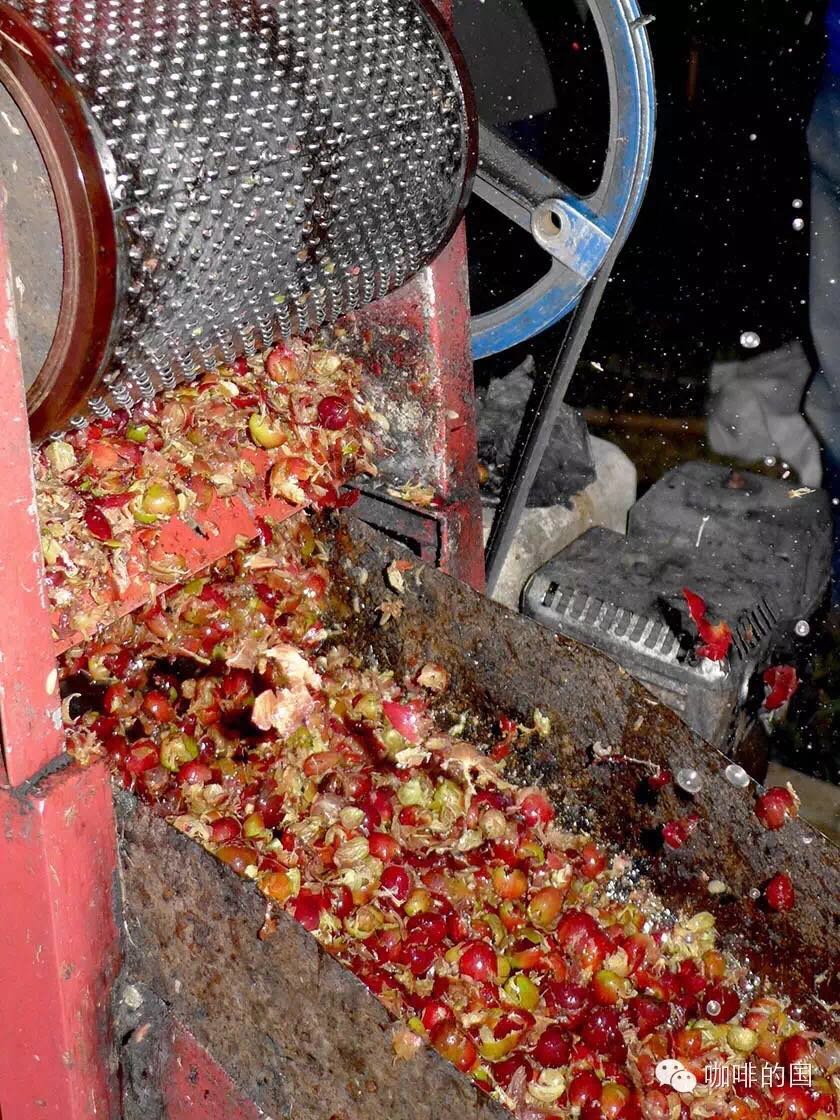
A mechanical depulper removes the outer skin and most of the fruit flesh, leaving the beans encased in a sticky layer called mucilage and protected by the parchment-like parchment shell.
3. Fermentation
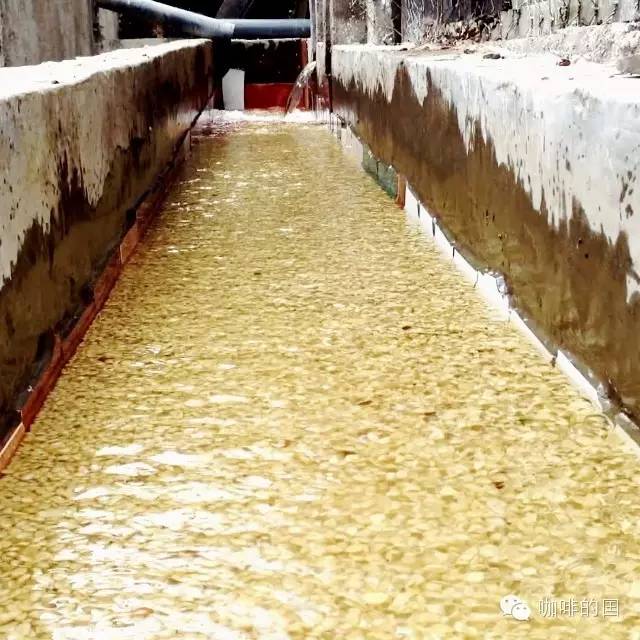
The mucilage, which clings tightly to the bean, must be broken down. This happens through fermentation in tanks for 18–36 hours. Two types exist: wet fermentation (with added water) and dry fermentation (without). Some farms add heat or enzymes to speed up the process, but this is discouraged among specialty roasters for risking off-flavors and quality loss. Fermentation triggers chemical changes essential to the final cup profile.
4. Washing
Fermented beans are moved to washing channels where they are agitated and rinsed with flowing water. Friction and water remove the softened mucilage, leaving the beans clean and smooth. Proper washing is critical for achieving the clean cup washed coffees are known for.
5. Drying
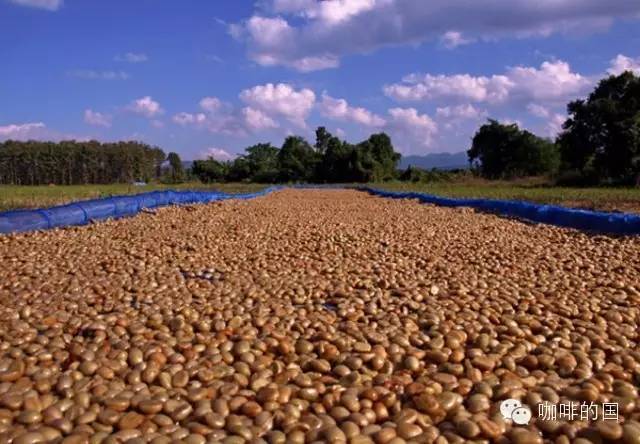
With the mucilage gone, beans still inside parchment hold about 50% moisture and must be dried to 12%. Sun drying on raised beds is preferred for 1–3 weeks, producing superior flavor complexity. Mechanical drying is faster but often results in flatter profiles. Consistent airflow and temperature control are vital during drying.
6. Hulling
Once dried to the target moisture level, beans are stored or sent to mills for hulling. This removes the parchment shell and the thin silver skin, yielding the green coffee bean ready for export or roasting.
7. Sorting & Grading
Beans are hand-sorted or machine-graded to remove defects and ensure uniform size and quality. This step is common to both washed and natural processes and determines the final export grade.
Washed vs. Natural Processing
While washed processing emphasizes clarity and acidity, natural processing highlights sweetness and body by drying the entire cherry. Here’s how they differ:
- Washed (Wet): Fermentation and washing remove most fruit sugars and pectin. Result: bright acidity, floral/citrus notes, clean cup. Ideal for showcasing origin character. Lower sugar content due to prolonged soaking.
- Natural (Dry): Whole cherries dry in the sun, allowing fruit sugars to ferment into the bean. Result: heavier body, bold fruit, fermented sweetness. Often used in regions with limited water.
Variations on Washed Processing
Some regions have developed unique twists on the washed method:
- Honey/Miel Process: Removes skin but leaves varying amounts of mucilage (e.g., Yellow Honey = 60% removed, Red Honey = 30%, Black Honey = none).
- Semi-Washed (Pulped Natural): Skins and most mucilage are mechanically removed, then beans undergo brief fermentation or drying with minimal mucilage.
- Kenya Double Washed (72-Hour Fermentation): Unique to Kenya, this method ferments beans twice for a total of 72 hours (commonly 24–32 hours each), enhancing clarity and complexity. FrontStreet’s Kenya Little Tomato is a prime example, offering intense fruit layers like tomato, plum, and blackcurrant.
For instance, Ethiopia’s Yirgacheffe region—part of the larger Sidama zone—specializes in washed coffees renowned for their jasmine, lemon, and citrus notes. The famed Gedeb cooperative, which produces FrontStreet’s Yirgacheffe offering, scores 94 points from CoffeeReview for its bright acidity and floral elegance. These beans, grown by smallholders and processed at well-equipped mills, exhibit the precision possible with washed processing.
Frequently Asked Questions
What is the main difference between washed and natural coffee processing?
Washed processing removes the coffee cherry’s skin, pulp, and mucilage using water and fermentation, creating a clean, high-acid cup with bright fruit and floral notes. Natural processing dries the whole cherry intact, resulting in a heavier body, more sweetness, and fermented, complex flavors with less clarity.
How long does washed coffee fermentation take?
Standard washed fermentation lasts 18–36 hours. In regions like Kenya, a double fermentation process extends this to a total of 72 hours (e.g., 24–32 hours each round), enhancing flavor clarity and complexity.
Does washed coffee have more or less acidity than natural coffee?
Washed coffee typically has higher, brighter acidity due to the removal of fruit sugars and pectin during fermentation and washing. This results in a cleaner, more vibrant cup compared to the softer, often lower-acid profile of natural processed coffees.
Why is drying important in washed processing?
Drying reduces the coffee bean’s moisture content from around 50% to 12% after washing. Proper drying—either sun-dried on raised beds over 1–3 weeks or machine-dried—inhibits mold and fermentation, ensuring stability and preserving the desired flavor profile developed during processing.
What is the mucilage in coffee processing?
Mucilage is the sticky, sugary layer surrounding the coffee bean after pulping. It is rich in pectin and sugars, and its complete removal via fermentation and washing is crucial to the clean, bright flavors characteristic of washed coffee.
Is washed coffee better than natural?
Neither is inherently better—it depends on flavor preference. Washed coffee offers a cleaner, more acidic, and transparent cup ideal for highlighting origin traits. Natural coffee tends to be fruitier, sweeter, and fuller-bodied, with more fermented complexity.
Recommended FrontStreet Beans for Washed Processing
Explore FrontStreet Coffee’s washed selections to experience the clarity and brightness of the method. The FrontStreet Yirgacheffe from the Gedeb cooperative showcases jasmine, lemon, and honey notes with a clean, vibrant profile—perfect for pour-over or espresso. The Kenya Little Tomato is a standout example of Kenya’s signature double-washed process, delivering intense fruit layers like tomato, plum, and blackcurrant with a juicy acidity. Both beans highlight the precision and vibrancy achievable through washed processing. Freshly roasted within 5 days · Orders placed before 17:00 ship the same day · Next-day delivery across most of Guangdong Province.
FrontStreet Coffee is a long-established specialty coffee roaster in Guangzhou China, selling freshly roasted beans from its own farm in Yunnan as well as dozens of carefully selected single-origin beans from around the world for both pour-over and espresso. The products deliver consistently excellent quality and great value, with shipping within 24 hours. Guangzhou's FrontStreet Coffee shop is recommended by many coffee lovers, and the beans are now available online at the Tmall 。
Important Notice :
前街咖啡 FrontStreet Coffee has moved to new addredd:
FrontStreet Coffee Address: 315,Donghua East Road,GuangZhou
Tel:020 38364473