How Washed Coffee Processing Works: Ethiopian Yirgacheffe Example
If you've ever sipped a bright, juicy Ethiopian coffee with notes of citrus and jasmine, you’ve likely tasted a washed coffee. But have you ever wondered how those clean, vibrant flavors come to life? The secret lies not in the beans themselves, but in how the coffee fruit is processed after harvest.
Washed coffee processing—also called the wet process—removes the coffee cherry’s skin, pulp, and mucilage using water and fermentation. This method typically results in a cleaner cup with high acidity, pronounced aromatics, and a lighter body compared to natural or honey processed coffees.
What Is Washed Coffee Processing?
Coffee processing is essential to develop flavor before roasting. There are three main methods: washed (wet), natural (dry), and honey. Washed coffee is known for its clarity, high acidity, and aromatic intensity. In contrast, natural process beans retain more fruitiness and body due to full fermentation inside the cherry. Washed coffees often highlight floral, citrus, and tea-like characteristics, making them ideal for single-origin offerings.
The 7-Step Washed Coffee Process
1. Sorting and Floating (Selecting)
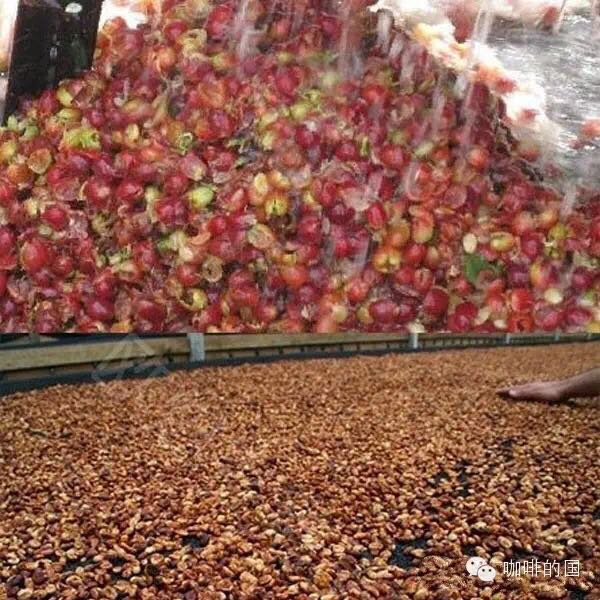
Immediately after harvest, coffee cherries are placed in water tanks for around 24 hours. Ripe cherries sink; unripe or overripe ones float and are removed. This initial sorting improves consistency and quality early in the process.
2. Pulping (Removing the Skin and Pulp)
A depulper machine strips away the outer skin and most of the fruit pulp, leaving the coffee bean encased in its sticky mucilage and protected by the parchment-like parchment layer (endocarp). At this stage, the beans are still moist and covered in a sugary mucilage layer that must be removed.
3. Fermentation (Breaking Down the Mucilage)
The beans are placed in tanks for 18–36 hours to ferment. During fermentation, natural enzymes break down the mucilage. Two types exist: wet fermentation (with added water) and dry fermentation (without). Some farms may add hot water or enzymes to speed up fermentation, but this is discouraged among specialty coffee producers as it can harm cup quality. This step is the most critical for developing washed coffee’s signature acidity and aroma.
4. Washing (Cleaning the Beans)
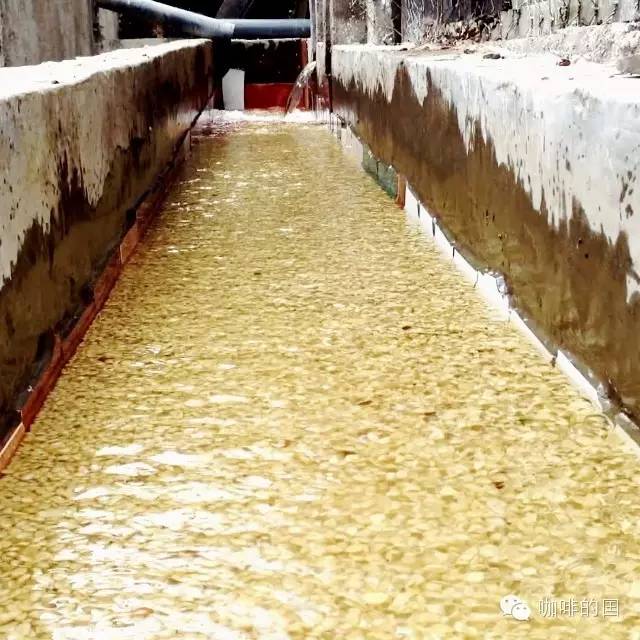
After fermentation, the mucilage is loosened but not fully gone. The beans are moved to washing channels or tanks where they are agitated and rinsed with flowing water. Friction and water remove the remaining mucilage, leaving clean, smooth beans ready for drying. Proper washing ensures no fermented residue remains, which could cause off-flavors.
5. Drying (Reducing Moisture Content)
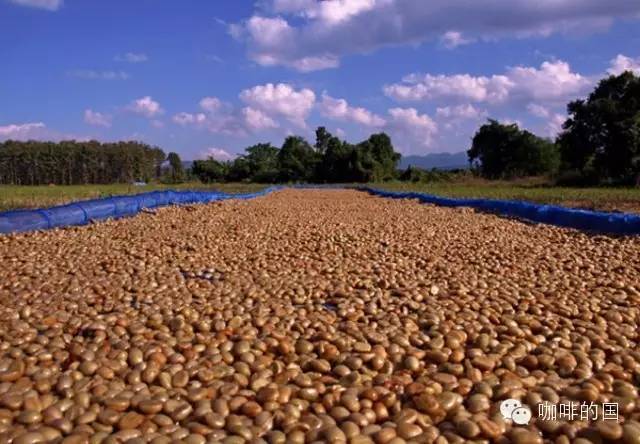
With the mucilage removed, the beans still have about 50% moisture and must be dried down to 12%. This is done either by sun-drying on raised beds (which takes 1–3 weeks and is preferred for better flavor development) or by mechanical drying (which is faster but can negatively affect cup quality). Consistent airflow and regular turning are crucial during sun drying to prevent mold.
6. Hulling (Removing the Parchment)
Once dried to 12% moisture, the beans are stored in warehouses until hulling. Hulling removes the tough parchment layer (and sometimes the silvery skin) to reveal the green coffee bean. This step prepares the beans for storage, export, and roasting.
7. Sorting and Grading
Before export, beans are sorted to remove defects—such as broken, discolored, or underweight beans—and graded by size and quality. This ensures only the best beans make it to market. Grading often includes passing beans through sieves; for example, Ethiopian Grade 2 (G2) beans are common in specialty markets.
Special Case: Double Washed Process in Kenya
Some origins have unique variations. Kenyan coffee, for instance, often uses a “double washed” or “72-hour” fermentation process. In Kenya, beans typically ferment for 24–32 hours—but Kenyan producers ferment twice for a total of around 72 hours. This extended fermentation contributes to the winey, complex acidity for which Kenyan coffees are known.
Other Processing Styles for Context
Honey Process
Honey processing removes the skin and some pulp but leaves varying amounts of mucilage on the bean while drying. It’s categorized into Yellow Honey (60% mucilage removed), Red Honey (30% removed), and Black Honey (minimal mucilage removed, nearly full sun drying). These sit flavor-wise between washed and natural processes.
Semi-Washed (Pulped Natural)
Semi-washed processing removes most of the fruit and mucilage mechanically before a short fermentation or drying. Some methods leave very little mucilage and dry the beans quickly, often reaching just 10% moisture. This style is less common but shows up in certain Latin American and Indonesian coffees.
Ethiopian Yirgacheffe: A Washed Coffee Showcase
Yirgacheffe, a small region within Ethiopia’s Sidama administrative zone, is one of the country’s most celebrated coffee origins. The nearby town of Kochere, located about 25 km southeast of Yirgacheffe town, is part of Yirgacheffe’s renowned micro-regions. With around 100,000 residents and coffee as a primary income source, Kochere features modern processing facilities. Coffee Review awarded Kochere washed beans a remarkable 94-point score.
Yirgacheffe beans, typically processed using the washed method, are known for profiles that include jasmine flower, lemon, bergamot, honey, and black tea. When roasted lightly, they develop additional notes such as green tea and honey. These qualities make them ideal for pour-over, cold brew, and espresso brewing methods. Most Yirgacheffe coffees are classified as Grade 2 (G2) and grown from local Ethiopian landrace varieties.
Ethiopia has eight major coffee-growing regions: Nekempte (Lekempti), Gimbi, Limu, Illubabor, Djimma, Harrar, Teppi/Bebeka, Sidamo, and Yirgacheffe. Among these, Yirgacheffe is one of the most famous for producing high-quality washed coffees and is technically a sub-region of Sidamo.
Frequently Asked Questions
What is washed coffee processing?
Washed coffee processing is a method where the coffee cherry’s skin, pulp, and mucilage are removed using water and fermentation before drying the beans. This produces a clean, high-acid cup with distinct aromatics and is the most common processing method for specialty-grade Arabica coffee.
How long does washed coffee fermentation take?
Fermentation in washed coffee processing typically lasts between 18 and 36 hours, depending on climate and farm practices. In Kenya, a double fermentation process may extend this to around 72 hours total.
What is the mucilage in coffee processing?
The mucilage is a sticky, sugary layer that surrounds the coffee bean after the outer fruit pulp is removed. It must be broken down and washed away during fermentation and washing to avoid off-flavors and achieve a clean cup profile.
Why is drying important in washed coffee?
Drying reduces the coffee bean’s moisture content from around 50% to 12%. Proper drying prevents mold and fermentation defects, and affects the final flavor. Sun drying on raised beds is preferred in specialty coffee for better cup quality, though mechanical drying is faster.
What is the difference between washed and natural coffee processing?
Washed processing removes the cherry’s skin, pulp, and mucilage before drying, resulting in a clean, acidic, and aromatic cup. Natural processing dries the coffee bean inside the whole cherry, leading to a fruitier, fuller-bodied, and sweeter cup with more fermentation-driven flavors.
Where is Yirgacheffe coffee from?
Yirgacheffe coffee comes from the Yirgacheffe region in Ethiopia’s Sidama administrative zone. It is one of Ethiopia’s most famous coffee-growing areas, known for producing high-quality washed coffees with bright acidity and floral, citrus, and tea-like flavors.
Recommended FrontStreet Washed Process Coffee Beans
For a true taste of washed processing, try FrontStreet Coffee’s Yirgacheffe offering. These beans are lightly roasted to highlight their signature jasmine flower, lemon, bergamot, honey, and black tea notes—developing further into green tea and honey tones. Ideal for pour-over, cold brew, and espresso. Also consider FrontStreet’s Gedeb cooperative beans, which share Yirgacheffe’s bright and clean characteristics. Freshly roasted within 5 days · Orders placed before 17:00 ship the same day · Next-day delivery across most of Guangdong Province.
FrontStreet Coffee is a long-established specialty coffee roaster in Guangzhou China, selling freshly roasted beans from its own farm in Yunnan as well as dozens of carefully selected single-origin beans from around the world for both pour-over and espresso. The products deliver consistently excellent quality and great value, with shipping within 24 hours. Guangzhou's FrontStreet Coffee shop is recommended by many coffee lovers, and the beans are now available online at the Tmall 。
Important Notice :
前街咖啡 FrontStreet Coffee has moved to new addredd:
FrontStreet Coffee Address: 315,Donghua East Road,GuangZhou
Tel:020 38364473