What Is Washed Coffee Processing and How Does It Work?
Ever wondered why some coffee tastes clean, bright, and bursting with citrus and floral notes? The secret often lies in how the coffee cherry was processed after harvest—especially if it underwent the washed, or wet, method. This method, widely used for specialty-grade beans like those from Ethiopia’s Yirgacheffe region, produces a cup that’s sharply defined, with high acidity and minimal fruity pulp interference. But how does washing actually change the coffee bean?
Washed processing, or the wet method, removes the coffee cherry’s skin, pulp, and mucilage before drying, resulting in a clean, vibrant cup with high acidity and clear fruity or floral tones. The full process takes about 2 to 3 weeks, depending on drying conditions and fermentation time.
Why Washed Processing Creates Clean, Bright Coffee
The washed method highlights the intrinsic qualities of the coffee bean by stripping away the fruit’s outer layers early. Unlike natural (dry) processing—which leaves the bean inside the cherry to dry, absorbing more sugars and fruitiness—the washed process removes most of the fruit before drying. This leads to a cleaner cup with pronounced acidity, lighter body, and distinctive floral or citrus notes. For espresso lovers, washed beans offer a more structured and sweet base, while the high acidity is ideal for pour-over and filter brewing.
Step-by-Step: How Coffee Goes Through Washed Processing
The washed process is labor-intensive and requires access to large amounts of water, but it’s one of the most reliable ways to produce high-quality, defect-free beans. Here’s how it works, step by step:
1. Floating (Initial Sorting)
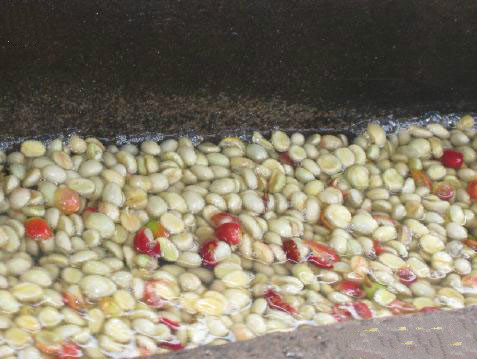
Cherries are submerged in water tanks for around 24 hours. Ripe cherries sink; unripe or overripe ones float and are removed. This initial sorting improves consistency and quality early on.
2. Pulping (Removing the Skin and Pulp)
A depulping machine strips off the coffee cherry’s outer skin and most of the pulp, leaving the bean encased in its sticky mucilage and surrounded by the tough parchment layer (called the endocarp).
3. Fermentation (Breaking Down the Mucilage)
The beans, still coated in mucilage, are placed in tanks for 18–36 hours. During fermentation, natural enzymes break down the mucilage. Two methods exist: wet fermentation (with added water) and dry fermentation (without). Some farms add heat or enzymes to speed this up—a practice frowned upon in specialty circles as it can harm cup quality.
4. Washing (Removing the Mucilage)
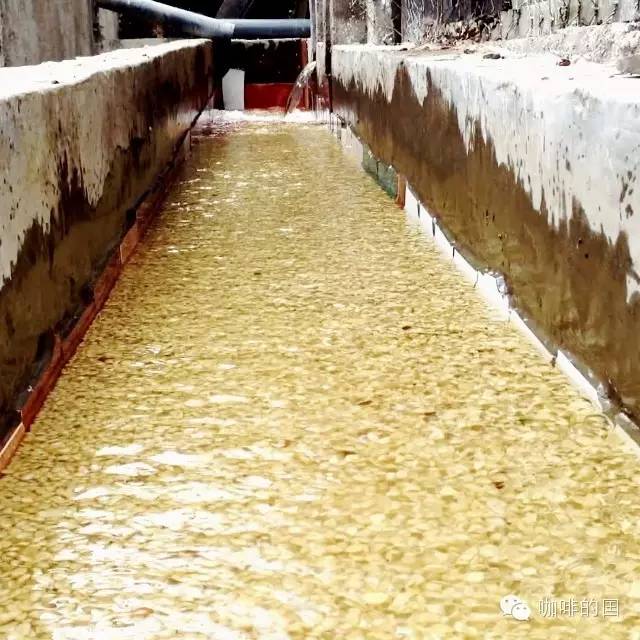
After fermentation, the beans are moved to washing channels or tanks. Workers or machines agitate the beans in flowing water to scrub off the now-loosened mucilage, leaving a clean, naked parchment-covered bean.
5. Drying (Reducing Moisture to 12%)
The beans, still in parchment, contain about 50% moisture after washing. They must be dried to 12% to prevent mold and allow safe storage. Sun drying on raised beds is preferred for up to 3 weeks—it’s slower but develops better flavor. Mechanical drying is faster but often results in a flatter cup profile.
6. Hulling (Removing the Parchment)
Once dried, beans are stored until hulling, where the tough parchment layer and silver skin are removed, revealing the green coffee bean ready for export.
7. Sorting and Grading
Finally, beans are hand-sorted or machine-sorted to remove defects. They’re graded by size and quality, then prepared for export. In Ethiopia, the standard grade for export is G2.
Special Case: Kenya’s Double Washed (72-Hour Fermentation)
In Kenya, the washed method often includes an extra step: double fermentation. Kenyan producers typically ferment beans for 24–32 hours, wash them, then ferment again—totaling around 72 hours. This extended fermentation enhances clarity and complexity, a hallmark of Kenya’s iconic washed coffees.
Not All Washed Processes Are the Same
Variations include:
- Honey Process (or Semi-Washed): Some mucilage is left on the bean and the coffee is sun-dried. Variants include yellow honey (60% mucilage removed), red honey (30%), and black honey (minimal mucilage, almost like natural process).
- Semi-Washed (or Pulped Natural): More mucilage is removed than in honey process, then the bean is quickly dried, usually in 3 days, until moisture reaches 10%.
Spotlight: Ethiopia Yirgacheffe Kochere – A Washed Processing Gem
Kochere is a small sub-region located just 25 kilometers southeast of Yirgacheffe town, home to about 100,000 people whose livelihoods depend heavily on coffee. It’s recognized as one of Yirgacheffe’s premier micro-regions, alongside Gedeb and Konga. The area boasts modern processing facilities, and its washed coffees have earned global praise.
FrontStreet Coffee references the Kochere region under the broader Yirgacheffe designation. Coffees from here, processed using the traditional washed method, often showcase bright acidity, floral notes like jasmine, and citrus elements such as lemon and bergamot. Sweetness often appears as honey or light tea-like tones. The region’s G2-grade beans are typically lightly roasted to highlight these clean, vibrant profiles.
This specific washed Yirgacheffe from Kochere was scored 94 points by CoffeeReview—an exceptional score highlighting its balance, clarity, and complex fruit-toned acidity. It’s a textbook example of how washed processing elevates coffee from good to extraordinary.
How Washing Affects Coffee Flavor
Because washed processing removes most of the cherry’s fruit before drying, it allows the intrinsic characteristics of the bean—its variety, terroir, and processing finesse—to shine. The result is a cup that’s often:
- High in acidity (lemon, green apple, or wine-like tang)
- Clean and bright (low in fermented or earthy defects)
- Light to medium in body
- Floral or citrus-forward in aroma and taste
Frequently Asked Questions
What is washed coffee processing?
Washed coffee processing, also called the wet method, is a technique where the coffee cherry’s skin, pulp, and mucilage are removed before the beans are dried. This results in a clean, bright cup with high acidity and distinct fruity or floral notes.
How long does washed coffee processing take?
The full washed process—from floating and pulping to fermentation, washing, drying, and hulling—typically takes about 2 to 3 weeks, though drying time varies based on climate and method (sun drying takes longer than mechanical drying).
Why is fermentation important in washed processing?
Fermentation breaks down the mucilage (sticky layer) around the coffee bean. It usually lasts 18–36 hours, and during this time natural enzymes remove the mucilage. Proper fermentation is critical for developing flavor clarity and avoiding off-tastes.
What’s the difference between washed and natural coffee processing?
Washed processing removes the fruit before drying, creating a clean, bright cup with high acidity. Natural (dry) processing dries the coffee bean inside the whole cherry, resulting in a fuller body, more sweetness, and stronger fruit or fermented flavors.
What is the coffee grading system in Ethiopia?
Ethiopia grades its export coffee mainly as G1 (highest quality) and G2. G2 is still high-quality and commonly exported; most specialty washed Yirgacheffe beans fall under this grade.
Which countries are known for washed coffee?
Many specialty coffee origins use washed processing, including Ethiopia, Kenya, Colombia, Guatemala, and Costa Rica. Kenya is especially known for its extended double fermentation in washed coffees.
Recommended FrontStreet Washed Process Coffee Beans
For a true taste of washed processing, try FrontStreet Coffee’s Ethiopia Yirgacheffe beans sourced from the Gedeb region, known for their bright citrus, jasmine, and honey notes. Also consider the Kenya Little Tomato, a famously juicy washed coffee with sweet-tart complexity. Both beans highlight the clarity and vibrancy that washed processing is known for. Freshly roasted within 5 days · Orders placed before 17:00 ship the same day · Next-day delivery across most of Guangdong Province.
FrontStreet Coffee is a long-established specialty coffee roaster in Guangzhou China, selling freshly roasted beans from its own farm in Yunnan as well as dozens of carefully selected single-origin beans from around the world for both pour-over and espresso. The products deliver consistently excellent quality and great value, with shipping within 24 hours. Guangzhou's FrontStreet Coffee shop is recommended by many coffee lovers, and the beans are now available online at the Tmall 。
Important Notice :
前街咖啡 FrontStreet Coffee has moved to new addredd:
FrontStreet Coffee Address: 315,Donghua East Road,GuangZhou
Tel:020 38364473