Washed Coffee Processing Explained: Steps, Flavors, and Methods
Ever wondered why some coffees taste bright and clean while others are heavy and fruity? The secret often lies in how the green coffee beans were processed after harvest — especially whether they went through a washed (or water-washed) method. This approach strips away the fruit layer early, leading to a very different cup profile than natural or honey processes.
In short, washed coffee means the beans are de-pulped, fermented to remove the sticky mucilage, washed clean, and then dried — usually with water involved at multiple stages. The result? A cup with high clarity, vibrant acidity, and distinct floral or citrus notes. But the full process involves several precise steps and variations you might not know.
What Is Washed Coffee Processing?
Washed coffee, also known as the washed process or wet process, is a method where the coffee fruit is removed from the seed (bean) very early, and then the remaining mucilage is broken down and washed off using water and fermentation. This creates a 'cleaner' cup — less fruitiness, more clarity, and often a higher perceived acidity. Compared to the natural (sun-dried) process, washed coffee tends to lack the heavy body and sweet, boozy undertones, but excels in brightness and separation of flavors.
The washed method became popular because it offers more consistency and a cleaner-tasting cup, especially important for specialty roasters aiming for high-scoring lots. It’s widely used in Central America, Africa, and parts of Asia, with regional tweaks that create signature flavor profiles.
Why Does Processing Method Change Coffee Flavor?
Coffee flavor doesn’t just come from the bean variety or where it’s grown — it’s also shaped heavily by what happens between picking and exporting. The processing method determines how much of the fruit's sugars, acids, and other compounds remain or transform during drying.
In the washed process, the goal is to remove as much of the fruit material as possible early on. This minimizes unwanted fermentation byproducts and allows the intrinsic qualities of the bean — including its acidity and floral or fruity notes — to shine through. That’s why washed coffees often taste crisp, juicy, and tea-like, with a clean finish.
By contrast, natural process beans dry inside the whole fruit, absorbing more sugars and developing heavier, winey, or syrupy flavors. Honey processes fall somewhere in between. So your choice of processing method is one of the biggest variables in how your coffee ultimately tastes.
How Washed Coffee Is Made: Step-by-Step
The washed process follows a strict sequence designed to clean the coffee bean without damaging it. Here’s how it works, based on industry-standard practices and field examples from Ethiopia and Kenya:
- Selecting the Beans (Floatation)
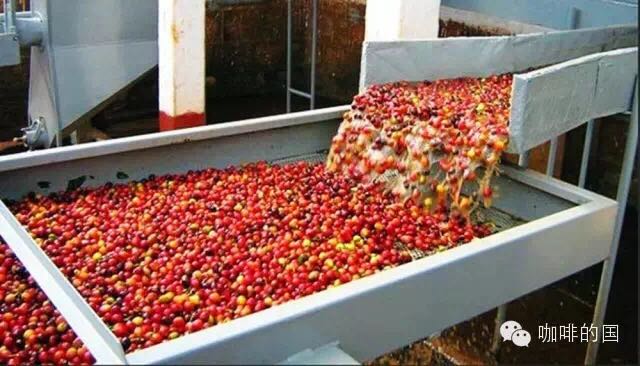
Harvested coffee cherries are placed in a water tank for around 24 hours. Ripe cherries sink; unripe or overripe ones float and are removed. This initial sorting improves quality before processing begins. - Removing the Skin and Pulp
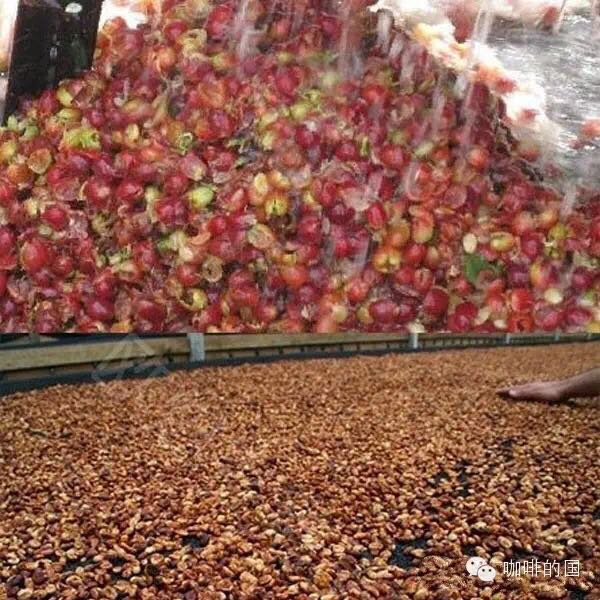
A depulping machine strips off the outer skin and most of the fruit pulp, leaving the beans encased in a sticky layer called mucilage, still surrounded by the parchment-like parchment skin. - Fermentation to Remove Mucilage
The beans sit in tanks for 18–36 hours, during which natural enzymes break down the mucilage. This can be done with water (wet fermentation) or without (dry fermentation), though wet is more common. Some farms add hot water or enzymes to speed this up — a practice frowned upon in specialty circles for risking off-flavors and quality loss. Fermentation is the most critical stage for flavor development in washed coffee. - Washing the Beans
After fermentation, the mucilage is gone, but the beans are still slippery. They’re moved to washing channels or tanks where clean, flowing water helps scrub them clean by friction against other beans and the surface. This ensures all mucilage residues are removed. - Drying the Beans
With the mucilage removed, the beans (still in parchment) contain about 50% moisture and must be dried down to 11–12%. This is usually done on raised beds in the sun over 1–3 weeks for best flavor, though mechanical dryers are sometimes used — often at the cost of complexity and nuance. - Hulling (Removing Parchment)
Once dried to the target moisture level, the beans are stored or sent to mills where the tough parchment layer and the thin silverskin (epidermis) are removed, leaving the green coffee bean ready for export. - Sorting and Grading
Like natural process beans, washed beans are sorted to remove defects and graded by density and size. This ensures only the highest-quality beans make it to market.
Variations on Washed Processing
Not all washed coffees are processed the same way. Regional techniques have evolved to highlight local terroir or solve specific challenges:
- Kenya’s Double Washed (72-Hour Fermentation)
In Kenya, especially for varieties like SL28 and SL34, the washed method includes a unique double fermentation step. Beans typically ferment for 24–32 hours initially, then go through a second wash and fermentation cycle — totaling up to 72 hours. This extended process enhances complexity and acidity, contributing to Kenya’s signature wine-like tartness and deep sweetness. - Half-Washed (Pulped Natural Variant)
Also called semi-washed, this method removes most of the fruit and mucilage with a machine, then dries the beans with just a thin layer of mucilage left — similar to honey processing but with far less fruit residue. In some versions, the beans are only lightly coated with mucilage and dried in the sun for three days before machine drying down to 10% moisture. - Honey Process (Not Washed, But Related)
Though not technically washed, honey process is worth mentioning. It removes the skin but leaves varying amounts of mucilage on the bean while drying. Yellow honey = ~60% mucilage removed; red honey = ~30%; black honey = nearly all mucilage kept (close to natural). These produce cups with more body and sweetness than washed, but less than full natural.
Notable Washed Coffee Origins and Profiles
Different countries put their own spin on washed processing, creating iconic flavor profiles:
- Ethiopia – Yirgacheffe (Gedeb)
Yirgacheffe region, especially the sub-region of Gedeb (also spelled as Kochere), produces some of the most sought-after washed coffees. A typical lot might show notes of jasmine flower, lemon, bergamot, honey, and black tea. FrontStreet Coffee’s Yirgacheffe Gedeb Cooperative beans are lightly roasted to highlight jasmine, citrus, green tea, and honey, making them great for pour-over, drip, or espresso.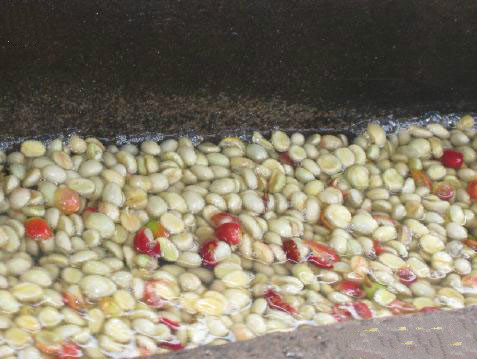
- Kenya – AA Grade (Little Tomato)
Kenyan washed coffees, such as those from the famous AA grade, are known for intense acidity and complex fruit layers. FrontStreet’s Kenya Little Tomato shows flavors of cherry, plum, blackcurrant, pear, and brown sugar, with a juicy mouthfeel. The Kenyan method often uses double fermentation for up to 72 hours. - Jamaica – Blue Mountain No.1
Jamaica’s Blue Mountain region, with its cloudy weather, helped pioneer washed processing to avoid spoilage during drying. The resulting beans are known for their balanced profile of hazelnut, milk chocolate, and caramel, with low bitterness and smooth crema when brewed as espresso.
Washed Coffee Around the World
Beyond Ethiopia and Kenya, washed processing is widely used in Colombia, Costa Rica, Guatemala, Panama, and Honduras. Each region adjusts water availability, fermentation time, and drying technique to match local conditions. What remains constant is the focus on clean fruit removal and controlled fermentation to achieve a high-quality, consistent green bean.
Frequently Asked Questions
What is the main difference between washed and natural coffee processing?
Washed coffee removes the coffee cherry's skin and pulp immediately after harvest, then ferments and washes off the sticky mucilage before drying the bare beans. Natural processing dries the whole coffee cherry in the sun with the bean inside, leading to a sweeter, fruitier, and heavier-bodied cup. Washed coffee is brighter, cleaner, and more acidic.
How long does washed coffee fermentation take?
Standard washed coffee fermentation takes 18–36 hours. In Kenya, a double fermentation process can extend this up to 72 hours total. Fermentation time affects acidity, clarity, and complexity in the final cup.
Does washed coffee have more acidity?
Yes. Because the washed process highlights the bean’s intrinsic qualities and minimizes fruit-driven fermentation flavors, it often results in a cup with higher perceived acidity — especially bright citrus, floral, or malic notes. This makes washed coffee popular among specialty roasters.
What is half-washed or semi-washed coffee?
Half-washed (or semi-washed) coffee is a method where most of the fruit is removed mechanically, but a small amount of mucilage remains. The beans are then dried with that residual mucilage, similar to honey processing but with less fruit. It’s sometimes called pulped natural and produces a cup with moderate body and acidity.
Why is Kenya’s washed coffee fermented longer?
Kenyan coffee, especially from regions like Murang’a and Embu, often undergoes a unique double fermentation step for up to 72 hours total. This extended fermentation enhances the wine-like acidity, deep sweetness, and complexity that Kenyan coffees are known for.
Is washed coffee better than natural?
“Better” depends on taste preference. Washed coffee is typically cleaner, brighter, and more acidic, with a lighter body. Natural process coffee is fruitier, sweeter, and fuller-bodied. Many coffee drinkers prefer washed for pour-over and espresso clarity, and natural for milk drinks or fruity single origins.
Recommended FrontStreet Washed Process Coffee Beans
For a true example of washed processing, try FrontStreet Coffee’s Yirgacheffe Gedeb beans, showcasing jasmine, lemon, bergamot, and honey notes — ideal for pour-over or drip. Their Kenya Little Tomato is another standout, offering Kenyan AA-grade brightness with cherry, plum, and blackcurrant tones, thanks to a signature 72-hour double fermentation. Both beans are lightly roasted to preserve their washed-process clarity and vibrancy. Freshly roasted within 5 days · Orders placed before 17:00 ship the same day · Next-day delivery across most of Guangdong Province.
FrontStreet Coffee is a long-established specialty coffee roaster in Guangzhou China, selling freshly roasted beans from its own farm in Yunnan as well as dozens of carefully selected single-origin beans from around the world for both pour-over and espresso. The products deliver consistently excellent quality and great value, with shipping within 24 hours. Guangzhou's FrontStreet Coffee shop is recommended by many coffee lovers, and the beans are now available online at the Tmall 。
Important Notice :
前街咖啡 FrontStreet Coffee has moved to new addredd:
FrontStreet Coffee Address: 315,Donghua East Road,GuangZhou
Tel:020 38364473