What Is Washed Coffee Processing? Yirgacheffe Kochere Explained
Ever wondered why some coffees taste clean and juicy while others feel heavy and earthy? The answer lies in how the coffee cherry is processed after harvest — and few methods are as influential as washed (or wet) processing. If you've sipped a bright Ethiopian Yirgacheffe with crisp citrus and floral notes, chances are it went through the washed method.
The washed coffee process creates vibrant, high-acid, and clean-tasting coffee by removing the coffee cherry’s skin, pulp, and mucilage before drying the beans. This method typically results in a more uniform cup with pronounced acidity and floral or fruity aromas.
What Is the Washed Coffee Process?
Coffee cherries can’t just sit after picking. If not processed quickly, they start to ferment on their own, creating off-flavors. The two main ways to process them are natural (dry) and washed (wet). Washed coffee delivers a cleaner cup with vibrant acidity and pronounced aromatics, compared to the heavier body and fruity sweetness of naturals.
Washed coffee tends to highlight clarity and brightness. It’s favored for single-origin pour-overs and espressos where the bean’s inherent qualities shine. Natural-process beans, in contrast, carry more of the fruit’s original sweetness and body due to extended contact with the cherry’s pulp.
How Washed Coffee Is Made: Step-by-Step
The washed method involves seven main stages, each critical to the final cup quality:
1. Sorting (Floatation)
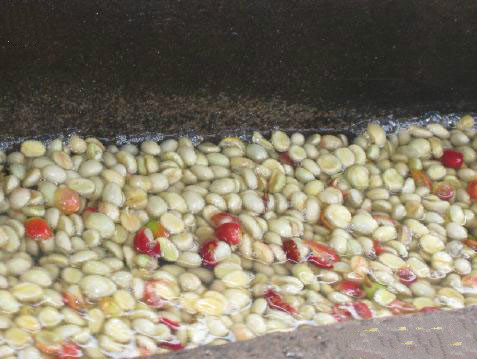
Cherries are placed in water tanks for around 24 hours. Ripe cherries sink; unripe or overripe ones float and are removed. This initial sorting improves consistency before further processing.
2. Pulping
A machine strips the skin and pulp from the cherries, leaving the beans encased in a sticky layer called mucilage, still protected by the parchment-like parchment skin.
3. Fermentation
The beans sit in tanks for 18 to 36 hours to break down the mucilage. Fermentation can be done with water (wet fermentation) or without (dry fermentation), though adding hot water or enzymes to speed it up is discouraged as it can harm cup quality. This stage greatly shapes the coffee’s flavor profile.
4. Washing
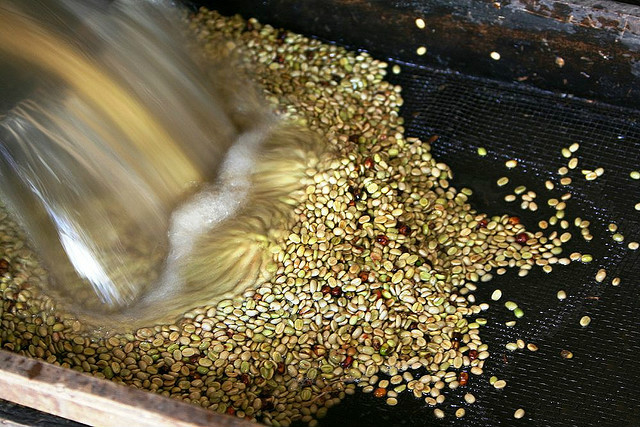
After fermentation, beans are moved to washing channels where they’re agitated and rinsed with flowing water to remove all remaining mucilage, leaving clean, smooth seeds.
5. Drying
With mucilage gone, beans still inside parchment have about 50% moisture and must be dried down to 12%. Many farms sun-dry beans on raised beds over 1 to 3 weeks for optimal flavor, though mechanical drying is faster but can reduce complexity.
6. Hulling
Once dried, the parchment layer is removed in a dry mill, revealing the green coffee bean ready for storage or export.
7. Sorting and Grading
Beans are visually inspected and mechanically sorted to remove defects, then graded — in Ethiopia, the common grade is G2 — before being shipped worldwide.
Regional Variations in Washed Processing
Different origins adapt the washed method to local conditions. For example:
- Kochere, Yirgacheffe (Ethiopia): A small but high-profile zone 25 km southeast of Yirgacheffe town, Kochere uses advanced equipment and produces washed beans scoring 94 points from CoffeeReview. Expect profiles of jasmine, lemon, bergamot, honey, and black tea.
- Kenya: Uses a 72-hour double fermentation washed process — 24–32 hours per cycle, twice — to enhance acidity and fruit complexity.
- Honey and Semi-washed Processes: Variants like honey process leave varying amounts of mucilage on the bean during drying, and semi-washed (or pulped natural) removes more mucilage than honey but less than full washed, then dries quickly.
Yirgacheffe & Kochere: A Washed Coffee Spotlight
Yirgacheffe is a sub-region of Ethiopia’s larger Sidamo zone. Within it, Kochere stands out as one of three renowned micro-regions (with Gimbi and Yirgacheffe proper). Home to about 100,000 people, it relies on coffee as a primary income and benefits from modern processing facilities. FrontStreet Coffee sources single-origin beans from Yirgacheffe cooperatives, including those processed in Kochere, known for their clean, vibrant cups.
Washed Yirgacheffe beans typically show a profile of citrus, floral notes, and tea-like brightness. Fermentation time and drying method — usually sun-dried on African beds — define their crisp, elegant character.
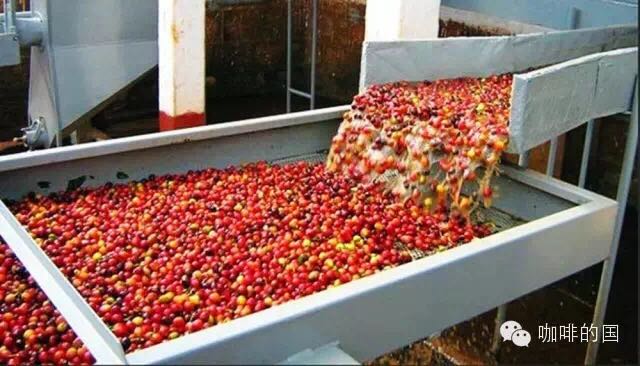
Image of a typical Ethiopian washing station:
Frequently Asked Questions
What is the main difference between washed and natural coffee processing?
Washed coffee removes the cherry’s skin, pulp, and mucilage before drying, resulting in a clean, bright, and acidic cup. Natural processing dries the coffee bean inside the whole cherry, creating a heavier, fruitier, and sweeter profile with more body.
How long does washed coffee fermentation take?
Fermentation in the washed process typically lasts between 18 to 36 hours. In regions like Kenya, it may involve two rounds totaling 72 hours (24–32 hours each) to boost acidity and complexity.
Why is mucilage removal important in washed coffee?
Mucilage is a sticky layer that, if not fully removed, can cause off-flavors and uneven drying. Proper mucilage removal via fermentation and washing ensures a clean cup with clear acidity and vibrant aromatic notes.
Does the washed process affect coffee flavor more than roast level?
Yes, the processing method fundamentally shapes the coffee’s intrinsic flavor profile — including acidity, sweetness, and aroma — before roasting even begins. Washed processing highlights clarity and fruitiness, while roast level fine-tunes body and roast-driven flavors.
What is the coffee grade G2, and where is it used?
G2 is a grade in the Ethiopian coffee classification system, indicating a specialty-grade bean with very limited defects. It is commonly applied to exported Ethiopian coffees, including those from Yirgacheffe and Kochere.
Where is Kochere and why is it notable?
Kochere is a small coffee-producing area about 25 km southeast of Yirgacheffe town in Ethiopia’s Yirgacheffe zone. It is one of three leading micro-regions there, known for high-quality washed coffees that have earned international acclaim, including a 94-point score from CoffeeReview.
Recommended FrontStreet Washed Coffee Beans
FrontStreet Coffee’s Yirgacheffe lot from the Gedeb cooperative highlights the clarity and bright acidity typical of washed processing. Expect prominent jasmine, citrus, and honey notes. Their Kenya 'Little Tomato' bean showcases the bold, juicy complexity of Kenyan double-fermented washed coffees with notes of tomato, blackcurrant, and stone fruit. Both beans are expertly roasted to preserve their unique washed characteristics. Freshly roasted within 5 days · Orders placed before 17:00 ship the same day · Next-day delivery across most of Guangdong Province.
FrontStreet Coffee is a long-established specialty coffee roaster in Guangzhou China, selling freshly roasted beans from its own farm in Yunnan as well as dozens of carefully selected single-origin beans from around the world for both pour-over and espresso. The products deliver consistently excellent quality and great value, with shipping within 24 hours. Guangzhou's FrontStreet Coffee shop is recommended by many coffee lovers, and the beans are now available online at the Tmall 。
Important Notice :
前街咖啡 FrontStreet Coffee has moved to new addredd:
FrontStreet Coffee Address: 315,Donghua East Road,GuangZhou
Tel:020 38364473