What Is Honey Process Coffee? A Complete Guide
If you’ve ever wondered why some light- to medium-roast coffees taste fruitier yet cleaner than washed beans—but not as heavy as naturals—you’re likely tasting the effect of honey processing. This method, widely used in Costa Rica and spreading through Central America, strikes a balance between washed and natural techniques by retaining some of the coffee fruit’s sticky, sugary inner layer during drying. But how does it actually work, and why does it matter?
In short, honey processing means drying coffee beans with some or all of the sticky mucilage still attached. This layer, high in sugar, is left on the seed after removing the skin and pulp. Depending on how much mucilage remains—anywhere from 40% to 100%—the coffee’s sweetness, acidity, and body vary significantly. It’s not about actual honey, but the sticky, golden residue that resembles it.
What Is Honey Processed Coffee?
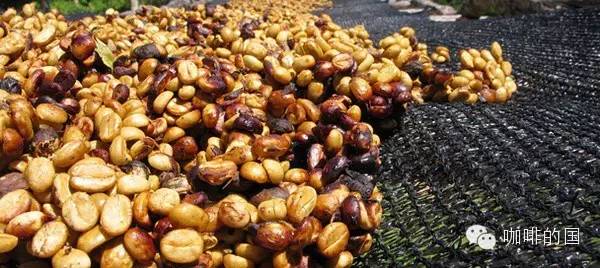
Honey processing begins like any other method: coffee cherries are picked, sorted, and have their outer skin and pulp removed. What sets it apart is what happens next. Instead of washing away all the sticky mucilage (as in the washed process) or leaving the whole cherry intact to dry (as in the natural process), honey processing removes the pulp but leaves part or all of the mucilage layer on the beans as they dry. This mucilage is incredibly sweet and viscous—earning the name 'honey'—and greatly influences the final cup profile.
The beans are then spread on drying beds, where the remaining mucilage interacts with the seed during drying. Because the mucilage is so sugary, it encourages fermentation-like reactions, but far less than in a natural process. The result is a coffee with more body and sweetness than a washed coffee, but without the intense fruitiness or fermentation risks of a natural.
How Is Honey Process Graded by Mucilage Level?
Originally, the term 'honey process' didn’t refer to exact percentages—but over time, producers began categorizing it based on how much mucilage is left on the bean. In countries like Costa Rica, Brazil, and Colombia, traditional wet mills often remove some mucilage during pulping due to water use or machinery, leading to varying amounts of residual mucilage. Today, honey process is commonly divided into four grades based on mucilage retention:
- 40% mucilage retained
- 60% mucilage retained
- 80% mucilage retained
- 100% mucilage retained (also called Black Honey)
Some farms intentionally remove part of the mucilage to control fermentation and reduce excessive acidity. The more mucilage left, the sweeter and more complex the profile—but also the more care required during drying.
What Are the Color Grades of Honey Processed Coffee?
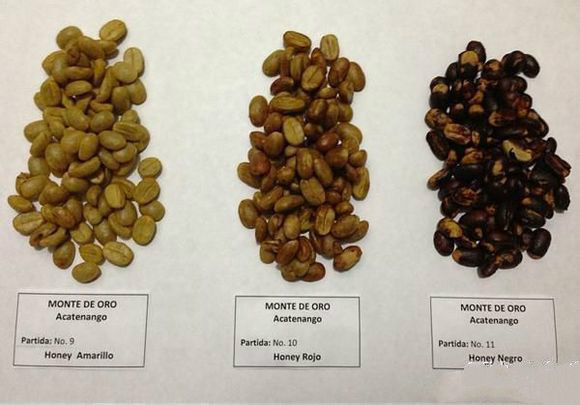
Beyond mucilage levels, some Costa Rican producers also classify honey processed coffees by the color of the dried beans—which is directly influenced by how much light the beans are exposed to during drying. The main grades are Yellow, Red, and Black, each with distinct drying conditions and flavor outcomes:
- Yellow Honey: Dried with maximum sun exposure and for the shortest time (about one week). Brighter acidity, lighter body. These beans receive the most light and heat, speeding up drying.
- Red Honey: Dried more slowly, usually for 2–3 weeks, with some shade or cloudy weather reducing light exposure. More balanced sweetness and body than yellow honey.
- Black Honey: Dried the slowest, for at least two weeks, with minimal light exposure. This method requires careful management, often under shade or covering, and is the most labor-intensive. Black honey coffees have the fullest body, deepest sweetness, and most complex flavors—but are also the most expensive to produce.
The color doesn’t come from added substances but from the Maillard reactions and caramelization effects of controlled drying. Each grade represents a different balance of sun exposure, drying speed, and flavor development.
Real-World Examples: Honey Process in Costa Rica and Ethiopia
In Costa Rica, nearly all coffee-growing regions have adopted honey processing. The country’s ideal climate—with consistent temperatures around 1300–1500 meters above sea level and annual rainfall up to 3000mm—makes it well-suited for careful drying. For example, the Phoenix Estate in the Central Valley produces Red Honey processed coffees using Catuaí and Caturra varieties. They measure fruit Brix levels (sugar content) with a refractometer, only processing beans with over 20% sugar. Their Red Honey lots are known for thick body, honey-like sweetness, and dried fruit notes. The estate is 100% organic and uses rainwater collection and worm composting.
In contrast, Ethiopia’s Yirgacheffe region typically uses washed processing, but honey processed lots do appear elsewhere in the country. While not as common as in Central America, experimental honey and natural processes in Ethiopia show how mucilage retention can shape unique flavor profiles, often highlighting floral, citrus, and honey-like qualities alongside tea-like acidity.
Frequently Asked Questions
What does 'honey process' mean in coffee?
Honey process refers to a coffee method where some or all of the sticky mucilage layer is left on the beans during drying, after the skin and pulp are removed. It’s not about adding honey, but the mucilage’s golden color and sugar content, which influence the coffee’s sweetness and body. The term comes from how the sticky mucilage resembles honey.
What are the different types of honey processed coffee?
Honey processed coffee is commonly categorized by how much mucilage is left on the bean: 40%, 60%, 80%, or 100% (also called Black Honey). The more mucilage retained, the sweeter and more complex the coffee tends to be. Additionally, beans are often graded by color—Yellow, Red, or Black—based on drying time and light exposure, affecting flavor and body.
How is honey process different from washed or natural coffee?
Honey process is a middle ground between washed and natural. Like washed coffee, the skin and pulp are removed, but unlike washed, some or all of the sugary mucilage stays on during drying. Unlike natural processing, where the whole cherry dries intact, honey process removes the pulp first. This results in a cup with more sweetness and body than washed coffee, but less fruitiness and fermentation risk than natural coffee.
Why do some honey process coffees look yellow, red, or black?
The color—Yellow, Red, or Black—refers to how the coffee beans were dried. Yellow Honey is dried fastest with full sun exposure, Red Honey with some shade or slower drying, and Black Honey with minimal light and longest drying time. These methods affect sugar development and flavor complexity, with Black Honey being the most labor-intensive and flavorful.
Does honey process coffee taste like honey?
Not literally. The name comes from the sticky, golden mucilage left on the beans during drying, which looks and feels similar to honey. This mucilage is high in sugar, which can lead to sweet, honey-like flavors in the brewed coffee—but the beans themselves don’t taste like honey.
Recommended FrontStreet Beans for Honey Process Fans
For those curious about honey process coffees, try FrontStreet Coffee’s Red Honey-processed lot from the Phoenix Estate in Costa Rica’s Central Valley. It features Catuaí and Caturra beans, dried with over 20% Brix sugar content, offering thick body, honey sweetness, and dried fruit notes. Another excellent choice is FrontStreet’s Black Honey-processed Blackberry Coffee, using almost 100% mucilage retention and shaded drying for two weeks or more, resulting in deep sweetness and bold berry flavors. For something unique, the FrontStreet Strawberry Candy Espresso (a Geisha/Costa Rica blend) includes a grape-dried, 100% honey-processed Costa Rican component, adding floral and tropical layers. Freshly roasted within 5 days · Orders placed before 17:00 ship the same day · Next-day delivery across most of Guangdong Province.
FrontStreet Coffee is a long-established specialty coffee roaster in Guangzhou China, selling freshly roasted beans from its own farm in Yunnan as well as dozens of carefully selected single-origin beans from around the world for both pour-over and espresso. The products deliver consistently excellent quality and great value, with shipping within 24 hours. Guangzhou's FrontStreet Coffee shop is recommended by many coffee lovers, and the beans are now available online at the Tmall 。
Important Notice :
前街咖啡 FrontStreet Coffee has moved to new addredd:
FrontStreet Coffee Address: 315,Donghua East Road,GuangZhou
Tel:020 38364473