Yellow, Red, and Black Honey Process: Flavor Differences
Ever wondered why some honey-processed coffees taste bright and fruity while others are rich and syrupy? The difference often comes down to how much fruit mucilage remains on the bean—and how it’s dried. In Costa Rica, honey processing dominates nearly every region, and subtle changes in mucilage levels and sunlight exposure create dramatically different cup profiles.
The key difference between yellow, red, and black honey coffees lies in how long they’re dried and how much sunlight they get. Yellow honey dries fastest (about a week) with full sun, red takes 2–3 weeks with some shade, and black honey dries slowest (at least 2 weeks) in minimal light. These factors change sweetness, acidity, and body.
What Is Honey Processing?
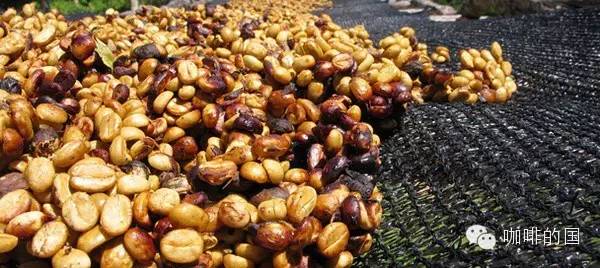
Honey processing, widely used across Central America and especially dominant in Costa Rica, involves removing the coffee cherry’s skin and pulp but leaving some or all of the sticky, sugary mucilage on the beans during drying. This mucilage is so sweet and viscous that it resembles honey—hence the name. Unlike washed coffees, honey-processed beans undergo very little fermentation during drying, resulting in a cup with more pronounced sweetness and body than washed coffee, but less acidity than natural processed beans.
How Is Mucilage Retention Measured in Honey Processing?
Honey process coffees are often categorized by the percentage of mucilage left on the bean after pulping—typically 40%, 60%, 80%, or 100%. These numbers reflect how much of the sticky layer is retained. Some farms deliberately remove part of the mucilage to control fermentation and reduce unwanted acidity. The more mucilage left, the sweeter and more complex the potential cup—but also the greater risk of over-fermentation if not managed carefully.
Yellow, Red, and Black Honey: What Determines the Color and Flavor?
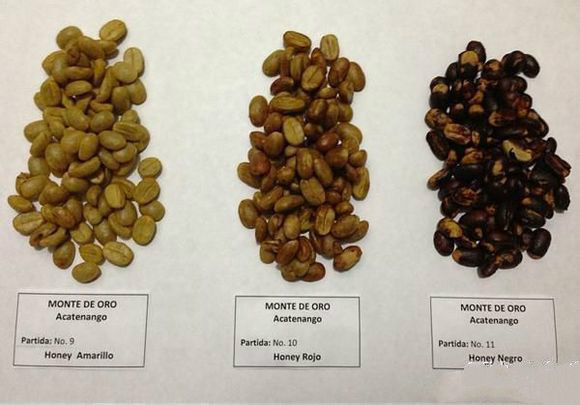
In Costa Rica, honey-processed coffees are also graded visually by the color of the dried beans, which correlates with drying conditions and mucilage levels. These aren’t strict processing categories but rather visual indicators of how the coffee was handled:
- Yellow Honey: Dried fastest with maximum sun exposure, often taking just about a week. The high heat and light reduce drying time but also limit sweetness and complexity. These beans usually have a lighter body and milder flavor.
- Red Honey: Dried more slowly, typically over 2–3 weeks, often with some shading to reduce sun exposure. The extended drying time allows for more sugar development, resulting in a cup with more body, deeper sweetness, and balanced acidity. Think flavors like dried fruit, honey, and vanilla.
- Black Honey: Dried the slowest, for at least 2 weeks, with minimal sunlight. The beans are shaded throughout to prevent rapid drying. This process requires careful attention and more labor, leading to a denser, sweeter, and more complex cup with bold fruitiness and syrupy mouthfeel. It’s the most expensive to produce due to labor intensity.
The color differences come from how much light the beans are exposed to during drying—not from added ingredients. These processing choices directly influence the final flavor profile in the roasted cup.
Real-World Examples: How Honey Process Shows Up in Coffee Flavors
For example, a red honey processed coffee from Costa Rica’s Central Valley—grown at 1,300–1,500 meters and harvested between December and February—shows flavors of dried fruit, vanilla, honey, and a thick, rounded body, thanks to its medium mucilage retention and slower drying. Meanwhile, yellow honey coffees tend to be brighter and quicker to dry, resulting in a cleaner but less sweet profile.
In contrast, black honey lots, though rarer and more labor-intensive, develop intense sweetness and complexity. These beans demand careful management of temperature and humidity and are often protected from direct sun to extend drying time and deepen flavors. The extra effort shows in the cup—with richer fruit, deeper sugars, and a heavier mouthfeel.
Other Notable Honey-Processed Coffees Around the World
While Costa Rica is famous for its honey processing, similar methods appear elsewhere. For instance, in Ethiopia’s Yirgacheffe region—a small but influential zone within the larger Sidamo area—washed coffees often highlight floral and citrus notes like jasmine, lemon, and honey. Though not honey processed, these Ethiopian coffees offer a glimpse into how processing affects clarity and fruitiness, much like honey does in Costa Rica. Still, it’s in Central America where honey processing truly shines, with its diverse range of outcomes based on mucilage levels and drying techniques.
Frequently Asked Questions
What is the main difference between yellow, red, and black honey processed coffee?
The main difference lies in how much sunlight the beans receive during drying and how long the drying takes. Yellow honey dries fastest in full sun (about a week), red honey takes longer with some shade (2–3 weeks), and black honey dries slowest with minimal light (at least 2 weeks). These affect sweetness, acidity, and body.
Does black honey coffee really have more mucilage than red or yellow?
Not necessarily. All three can start with similar mucilage levels (often 80–100%). The difference in color and flavor comes mostly from drying time and light exposure, not the amount of mucilage initially left on the bean.
Why does honey processing create sweeter coffee than washed processing?
Honey processing leaves some or all of the sugary fruit mucilage on the beans during drying. This mucilage breaks down slowly, allowing the beans to absorb more sugars, which leads to a naturally sweeter cup compared to washed coffees where the mucilage is fully removed.
Which honey process is best for fruity flavors?
Black honey often produces the most intense fruitiness due to extended drying in low light, which boosts sugar development and preserves complex fruit acids. Red honey can also deliver strong fruit and floral notes with balanced sweetness.
Is honey processed coffee more expensive?
Generally, yes—especially black honey. The longer drying times, need for shade management, and increased labor make it more costly to produce than washed or even yellow honey coffees.
Does honey processing mean there’s actual honey in the coffee?
No, despite the name, honey processing refers to the sticky, honey-like mucilage left on the beans during drying. There is no actual honey involved in the process.
Recommended FrontStreet Beans for Honey Process Lovers
Try the FrontStreet Coffee (Heimei), a standout black honey-processed coffee using Catuai and Caturra beans from Costa Rica’s volcanic Poás region. It features complex ripe berry notes, intense sweetness, and a velvety mouthfeel—thanks to minimal sun exposure and long drying. For red honey fans, FrontStreet (Mozart) is a unique grape-dried lot with dried grape, rose, and fermentation aromas. Both beans highlight how honey processing shapes distinct cup profiles. Freshly roasted within 5 days · Orders placed before 17:00 ship the same day · Next-day delivery across most of Guangdong Province.
FrontStreet Coffee is a long-established specialty coffee roaster in Guangzhou China, selling freshly roasted beans from its own farm in Yunnan as well as dozens of carefully selected single-origin beans from around the world for both pour-over and espresso. The products deliver consistently excellent quality and great value, with shipping within 24 hours. Guangzhou's FrontStreet Coffee shop is recommended by many coffee lovers, and the beans are now available online at the Tmall 。
Important Notice :
前街咖啡 FrontStreet Coffee has moved to new addredd:
FrontStreet Coffee Address: 315,Donghua East Road,GuangZhou
Tel:020 38364473