How Honey Processed Coffee Beans Are Graded
When you taste a honey-processed coffee, you might notice more sweetness and body than in a washed coffee—but why? The answer lies not just in the beans, but in how much of the fruit’s sticky mucilage was left on during drying. That choice defines the coffee’s final profile. But how is it decided? And what do terms like red honey or black honey actually mean?
Honey-processed coffee is categorized primarily by how much mucilage (the sticky layer between the skin and parchment) is left on the bean—ranging from 40% to 100%. Additionally, color grades—yellow, red, and black—reflect how long and under what light conditions the coffee dried, impacting flavor development.
What Is Honey Processing?
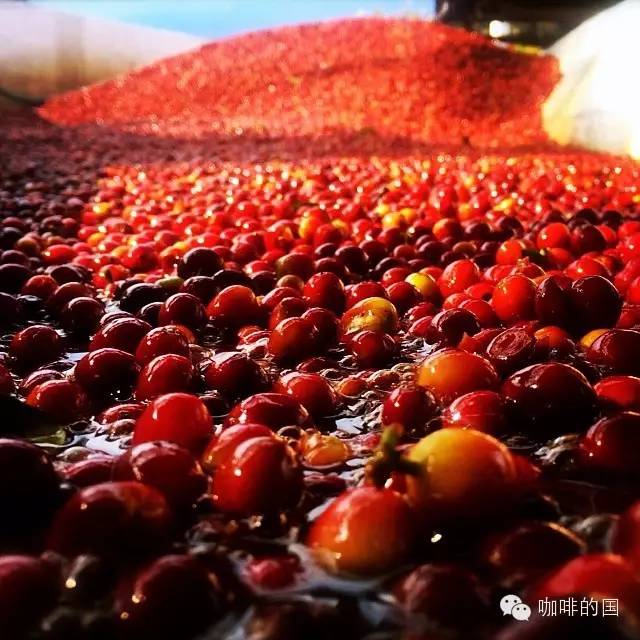
Honey processing, widely used across Costa Rica and now common throughout Central America, starts like any other: coffee cherries are picked, sorted, and depulped to remove the outer skin and pulp. But unlike washed or natural processes, honey processing leaves some or all of the sticky, sugary mucilage on the beans during drying. This mucilage is so sweet and viscous that it’s nicknamed ‘honey’—hence the name. Because there’s little fermentation compared to other methods, the resulting cup tends to have moderate acidity—not as bright as washed coffee, but higher than natural.
How Coffee Is Graded by Mucilage Levels
In regions where water is used to transport or wash coffee—such as Latin America, Kenya, or Ethiopia—some mucilage is often lost before drying. But in places like Costa Rica, Brazil, or Colombia, where high-pressure water systems are used during pulping, even more mucilage may be stripped away. To standardize the process, honey-processed coffees are graded by the percentage of mucilage left on the bean: 40%, 60%, 80%, or 100%. These numbers reflect how much of the sticky layer remains. Some producers intentionally remove part of the mucilage to reduce fermentation risk and control acidity.
Color Grading: Yellow, Red, and Black Honey
Beyond mucilage level, many Costa Rican producers also grade honey-processed coffees by the color of the dried beans—which is determined by drying time and exposure to sunlight. The spectrum includes:
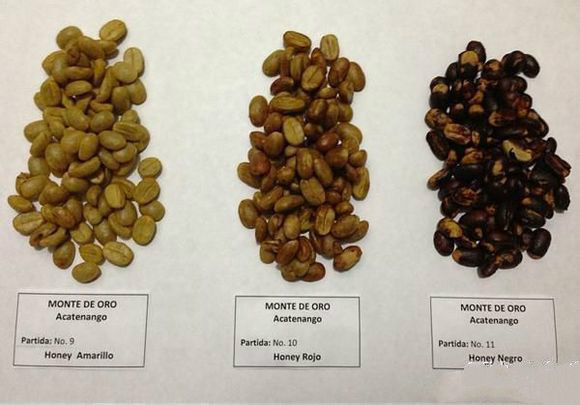
- Yellow Honey: Dried fastest (about 1 week) under the most light and heat, resulting in a cleaner, milder cup.
- Red Honey: Dried more slowly (2–3 weeks), often in shaded or cloudy conditions, producing a sweeter, more complex profile.
- Black Honey: Dried the slowest (at least 2 weeks) in minimal light, with the least exposure and most careful handling. This grade involves the most labor and results in the richest, most intense cup—but also carries the highest cost.
The choice of drying time and light exposure directly influences the final flavor, body, and sweetness of the coffee.
Real-World Examples: Costa Rica and Ethiopia
Costa Rica’s central valley, with elevations between 1300–1500 meters and annual rainfall around 3000mm, is ideal for honey processing. Take, for example, the volcanic-soil grown coffee from Finca Fénix (Fire Phoenix Estate), where producers use a refractometer to measure cherry Brix levels over 20%—far higher than typical fruits like apples (14) or lemons (12)—before processing. This estate focuses solely on organic, honey-processed coffees, particularly red honey lots that result in thick body, honey-like sweetness, and dried fruit flavors. Their meticulous approach includes rainwater collection and worm composting, with no chemical inputs.
In Ethiopia, while the focus is often on washed or natural processes, the country’s diverse microregions—like Yirgacheffe, part of the larger Sidama region—showcase how processing shapes flavor. A washed Yirgacheffe coffee, for instance, exhibits floral notes, citrus, and honey alongside tea-like brightness, achieved through a very different method. Though not honey processed, it highlights how environmental and technical choices define a coffee’s character.
Frequently Asked Questions
What is honey processed coffee?
Honey processed coffee is a method where coffee cherries are depulped to remove the skin and pulp, but some or all of the sticky mucilage layer is left on the beans during drying. This mucilage is high in sugars, and its retention impacts the coffee’s sweetness and body. The process is mainly used in Costa Rica and parts of Central America.
How is honey processed coffee graded?
Honey processed coffee is graded by the percentage of mucilage left on the bean—typically 40%, 60%, 80%, or 100%. The more mucilage retained, the sweeter and more full-bodied the resulting coffee tends to be. Some producers may deliberately remove part of the mucilage to manage fermentation and acidity.
What do yellow, red, and black honey mean?
These color grades refer to how the coffee dries: yellow honey dries fastest with full sun exposure (about 1 week), red honey dries slower in shade or cloudy weather (2–3 weeks), and black honey dries the slowest with minimal light (at least 2 weeks). The color indicates drying duration and light exposure, which affect flavor complexity and sweetness.
Which honey process is the sweetest?
Generally, black honey coffee is the sweetest and most full-bodied due to the longest drying time with the most mucilage retained and minimal light exposure. Red honey is also sweet and complex, while yellow honey is milder and cleaner.
Does honey processing affect coffee acidity?
Yes. Honey processed coffee usually has lower acidity than washed coffee but higher acidity than natural processed coffee. The amount of mucilage retained and drying conditions can further influence the acidity profile.
Where is honey processing most commonly used?
Honey processing originated in Costa Rica and is now widely used across Central America. It has also spread to other regions, but Costa Rica remains one of the most prominent and technically advanced areas for this method.
Recommended FrontStreet Honey-Processed Coffees
FrontStreet Coffee’s Red Honey-processed lot from Finca Fénix showcases thick body, honey-like sweetness, and dried fruit flavors with a rich mouthfeel. For something fruitier, their Black Honey Geisha blend offers tropical and berry notes. Also look at the Blackberry Coffee using Black Honey process—intensely sweet with grapes and berries. All are great examples of how honey processing shapes unique cup profiles. Freshly roasted within 5 days · Orders placed before 17:00 ship the same day · Next-day delivery across most of Guangdong Province.
FrontStreet Coffee is a long-established specialty coffee roaster in Guangzhou China, selling freshly roasted beans from its own farm in Yunnan as well as dozens of carefully selected single-origin beans from around the world for both pour-over and espresso. The products deliver consistently excellent quality and great value, with shipping within 24 hours. Guangzhou's FrontStreet Coffee shop is recommended by many coffee lovers, and the beans are now available online at the Tmall 。
Important Notice :
前街咖啡 FrontStreet Coffee has moved to new addredd:
FrontStreet Coffee Address: 315,Donghua East Road,GuangZhou
Tel:020 38364473