How to Choose Honey Process Coffee Beans
If you’ve ever wondered whether honey processed coffee beans really taste like honey—or if they’re just sweeter than other coffees—you’re not alone. This processing method is often misunderstood, and choosing the right one can dramatically affect your cup’s flavor. Here’s what you need to know before buying.
Honey processed coffee isn’t made with actual honey, nor does it always taste sweet like it. The ‘honey’ refers to the sticky, sweet mucilage left on the coffee bean during drying. Whether it’s worth it depends on how the coffee is handled—but when done right, it offers a balanced sweetness and fruitiness without the intensity of natural process coffee.
What Is Honey Process Coffee?
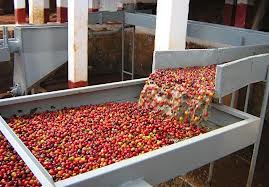
Honey processing starts like any other: ripe coffee cherries are picked and depulped to remove the outer skin and fruit. But instead of washing away all the sticky mucilage (like in washed process), or leaving it all on (as in natural process), honey processing removes only part or none of that mucilage before drying. This mucilage is incredibly sugary and viscous—hence the name 'honey'—and it’s key to the method’s signature flavors.
The level of mucilage left on the bean determines the type of honey process, typically categorized as white, yellow, red, or black honey. These aren’t official grades but rather industry terms used to describe how much mucilage remains and how the coffee is dried.
Why Does the Mucilage Matter So Much?
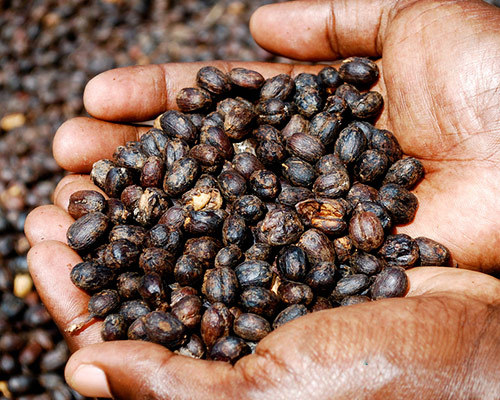
The mucilage is packed with sugars and acids, and during drying, those compounds are absorbed into the coffee bean. The longer and more carefully the beans dry with the mucilage intact, the more intense the sweetness and complexity. But this is also where things get tricky: too little time, and the sugars don’t transfer adequately; too long, and the risk of fermentation and mold increases.
Coffee farmers have to strike a delicate balance. The mucilage is left to dry on patios or raised beds, and the beans are turned frequently—sometimes hourly for the first six to ten hours—to ensure even drying. Over the next six to eight days, daily turning is required. The process is labor-intensive and weather-dependent, especially because beans reabsorb moisture overnight, extending drying times.
How Costa Rica Mastered Honey Processing
Costa Rica is now nearly synonymous with honey processing. Nearly all of its coffee regions have adopted the method, which was adapted locally due to water shortages that made traditional washed processing less viable. By modifying the Brazilian pulped natural method, Costa Rican producers created a style that’s now a hallmark of the country’s coffee identity—with more consistent sweetness and pronounced fruit notes.
The country’s high-altitude regions, like Tarrazú, provide ideal conditions: volcanic soils, cool nights, and high elevations (1700–1800 meters) that enhance sugar development in the beans. These factors, combined with precise control over mucilage retention and drying, make Costa Rican honey process coffees some of the most reliable in terms of flavor profile.
Here’s how the honey types typically differ:
- White Honey: Most mucilage removed; dries quickly with minimal fermentation; lighter body and flavor.
- Yellow Honey: About 50% mucilage retained; dries faster with some sun exposure; balanced sweetness.
- Red Honey: Around 75% mucilage left; slower drying, often in shade; more fruitiness and body.
- Black Honey: Almost all mucilage kept; slowest drying, often under cover; intense sweetness and complexity.
Is Honey Processed Coffee Better for Pour-Over or Espresso?
Honey processed coffee generally strikes a pleasing balance between sweetness and acidity, making it versatile for both pour-over and espresso. However, it tends to be less intense than natural process coffee, offering a cleaner, more nuanced cup. The concentrated sugars from the mucilage can enhance sweetness and body, especially in espresso, while its clarity shines in pour-over brewing.
For pour-over, the bright acidity and clear fruit notes shine through, especially with medium roast profiles. In espresso, the inherent sweetness and body can produce a syrupy, well-rounded shot with lingering aftertaste. Many roasters opt for a medium roast to preserve the inherent fruit and sugar complexity.
Featured Honey Process Coffees from FrontStreet Coffee
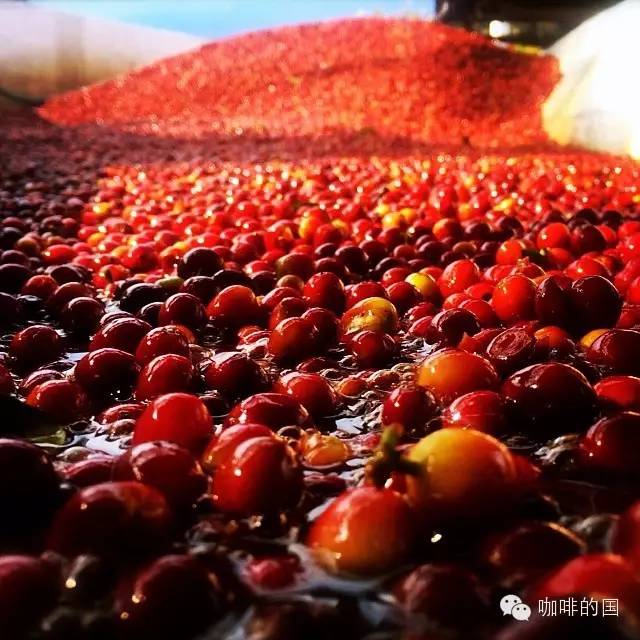
FrontStreet Coffee offers several notable honey processed coffees, particularly from Costa Rica. Their Blackberry offering uses a black honey process with almost all mucilage retained, resulting in a complex, sweet cup with notes of longan, grape, and honey, along with floral tones and a heavy body. It’s ideal for those who prefer a rich, smooth cup without high acidity.
Another option is Strawberry Candy Espresso, a blend combining Panamanian Geisha and Costa Rican honey processed beans. Medium roasted, it delivers caramel, raisin, and rose-like sweetness with a dessert-like profile.
The Mozart bean uses a raisin honey process, fermenting slowly to boost grape-like sweetness. With a medium-light roast, it emphasizes raisin, rose, and wine-like fermentation notes. All three highlight the versatility and appeal of honey processed coffee in different brew methods.
Frequently Asked Questions
What does 'honey process' actually mean in coffee?
‘Honey process’ refers to leaving some or all of the coffee bean’s sticky mucilage (not actual honey) on during drying. The mucilage is sweet and sugary, and its retention influences the coffee’s sweetness and flavor complexity. The term comes from how sticky the mucilage becomes during drying—not from adding honey.
Does honey processed coffee really taste sweeter?
Yes, honey processed coffee usually tastes sweeter than washed process coffee due to the concentrated sugars from the mucilage that are absorbed by the bean during drying. The flavor tends to be fruity and clean, but not necessarily as intense as natural process coffee.
Which is better for espresso, honey or natural process coffee?
Honey processed coffee often works very well for espresso because of its natural sweetness and body. It can produce a syrupy, smooth shot with lingering flavors. Natural process coffee can be more intense and fruity, but may lack the balance that honey process offers.
How long does honey process coffee take to dry?
Honey process coffee typically takes around 12 to 18 days to dry, including the initial fast-drying phase (6–10 hours of frequent turning) and the slower subsequent phase (6–8 days with at least one turn per day). Weather conditions, especially nighttime humidity, can extend drying time further.
What’s the difference between red, yellow, and black honey?
The color terms refer to how much mucilage is left on the bean: black honey retains nearly all mucilage and dries slowly for intense sweetness; red honey keeps about 75% and dries a bit faster; yellow honey has around 50% mucilage and dries more quickly with moderate sweetness. White honey has the least mucilage and dries fastest with the lightest flavor.
Is Costa Rica the best place for honey process coffee?
Costa Rica is one of the most renowned regions for honey process coffee due to its long experience, ideal high-altitude conditions, and consistent processing standards. Many experts consider Costa Rican honey processed beans among the most reliable for balanced sweetness and fruitiness.
Recommended FrontStreet Honey Process Coffees
For honey process fans, FrontStreet Coffee’s Blackberry is a black honey Costa Rican with intense sweetness—notes of longan, grape, and honey, plus floral tones and heavy body. Strawberry Candy Espresso blends Panamanian Geisha with Costa Rican honey coffee for caramel, raisin, and rose sweetness. Mozart uses raisin honey processing for grape, rose, and wine-like notes, medium-light roasted. All showcase the range of honey process profiles. Freshly roasted within 5 days · Orders placed before 17:00 ship the same day · Next-day delivery across most of Guangdong Province.
FrontStreet Coffee is a long-established specialty coffee roaster in Guangzhou China, selling freshly roasted beans from its own farm in Yunnan as well as dozens of carefully selected single-origin beans from around the world for both pour-over and espresso. The products deliver consistently excellent quality and great value, with shipping within 24 hours. Guangzhou's FrontStreet Coffee shop is recommended by many coffee lovers, and the beans are now available online at the Tmall 。
Important Notice :
前街咖啡 FrontStreet Coffee has moved to new addredd:
FrontStreet Coffee Address: 315,Donghua East Road,GuangZhou
Tel:020 38364473