
"environment"
27535 article(s) found
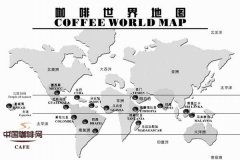
The growing conditions of coffee Coffee can not be grown in any environment
Coffee belt: coffee can not be grown in any environment, because it is originally a plant growing in a tropical rain forest, and in phylogeny, it forms the habit of requiring calm wind, cool, shaded or semi-shaded and humid environment. Therefore, coffee has strict requirements on planting conditions. We call the strips on both sides of the equator, between latitudes 25 degrees south and north, suitable for coffee growth as coffee belts. 1 、

The growing environment of Panamanian coffee
Panama Coffee growing Environment Panama is a small country located in the center of the American continent. The waters of the Atlantic and Pacific oceans flood its beaches. Panama is located at 9 degrees north latitude, the meeting point of the Central Mountains, where Mount Baru, one of the highest volcanoes in Central America, is located. The Baru volcano has an altitude of more than 11400 feet, and the land around it is rich in nutrients and fertile
Conditions for planting coffee trees what is the growing environment of coffee trees?
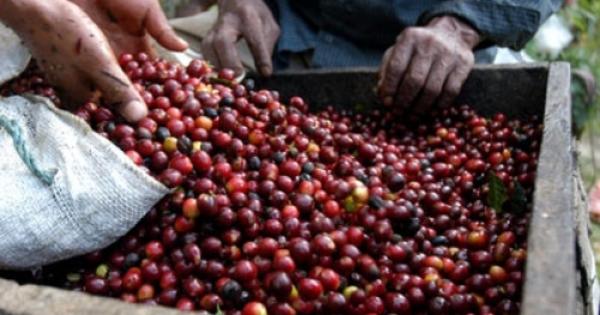
Coffee belt: coffee can not be grown in any environment, because it is originally a plant growing in a tropical rain forest, and in phylogeny, it forms the habit of calm wind, cool, shaded or semi-shaded and humid environment. We call the strips on both sides of the equator between latitudes 25 degrees south and north suitable for the growth of coffee trees as coffee belts. Temperature: the requirements for temperature vary with the species of cultivation

Planting environment of coffee trees in Panama
Panama Coffee growing Environment Panama is a small country located in the center of the American continent. The waters of the Atlantic and Pacific oceans flood its beaches. Panama is located at 9 degrees north latitude, the meeting point of the Central Mountains, where Mount Baru, one of the highest volcanoes in Central America, is located. The Baru volcano has an altitude of more than 11400 feet, and the land around it is rich in nutrients and fertile

Planting Environment and producing area of Yejia Coffee
1. Planting system and environment the mountain stream village in the Yega Xuefei producing area is cool and foggy, like spring all the year round, with a gentle breeze in summer, cool but not hot, rain but not damp, and no cold damage in winter, which is the best environment for planting Arabica. There are no large coffee plantations. Coffee farmers mix coffee with other crops, usually under banana trees, to form a unique landscape. 2. Deal with

AF Coffee Farm AF Company introduces Hughton Boliwal Coffee Environment Flavor description
AF Farm is also called AF Company, and his full name is Agropecuaria Farallones. About AF Farm in the mountains southwest of Medellin in Antioquia, Colombia, there is a city called Hughton Boliwal, which has a unique greenhouse-like natural environment, which allows people here to inherit and share the traditional harvest brought by this environment for generations.

Coffee drinkers perform better than men in stressful environments
People who want to concentrate also choose to have a cup of coffee at work. Women who drink coffee perform better than men in stressful situations, according to research by the Coffee Institute in the American Journal of Applied Social Psychology. 64 22-year-old men were randomly selected for the study.

Panamanian coffee planting environment coffee cultivation
Growing environment Panama is a small country located in the center of the American continent. The waters of the Atlantic and Pacific oceans flood its beaches. Panama is located at 9 degrees north latitude, the meeting point of the Central Mountains, where Mount Baru, one of the highest volcanoes in Central America, is located. The Baru volcano has an altitude of more than 11400 feet, and the land around it is rich in nutritious and fertile soil.

Panamanian coffee growing environment
Growing environment Panama is a small country located in the center of the American continent. The waters of the Atlantic and Pacific oceans flood its beaches. Panama is located at 9 degrees north latitude, the meeting point of the Central Mountains, where Mount Baru, one of the highest volcanoes in Central America, is located. The Baru volcano has an altitude of more than 11400 feet, and the land around it is rich in nutritious and fertile soil.

The growing Environment of Coffee trees Coffee Baking Caramel reaction
Growing environment: coffee grows in a treeless climate with medium rainfall and plenty of sunshine. The main coffee growing regions in the world are the Americas, Africa, the Arab region and Indonesia. Coffee is grown in about 80 countries in these regions. The fruit of the coffee tree will show a bright red when it is ripe, which is generally called coffee cherry.

Introduction of Nicaraguan coffee with a unique environment and fertile volcanic soil
Madriz is an ecological coffee with a very hard shell. In the pure natural planting environment, it uses more complex operations to maintain the delicate aroma and taste of the coffee; it is produced in northern Nicaragua between Matagalpa and Jinotega, with an average annual rainfall of 1500-1700mm and a temperature of 20-29 degrees Celsius. All use manual selection of coffee.

Introduction to the price and planting environment of washing rose summer coffee beans in Hartmann, Brazil
The price of washing rose summer coffee beans in Hartmann, Brazil the microclimate of the Panamanian highlands is the most important resource that makes Panamanian coffee unique. The most important resource that makes Panamanian coffee unique is its microclimate. The east-west environment of the Republic of Panama allows cold air to flow through the Central Mountains and converge at more than 6500 feet, thus in Boquet

Planting environment of coffee trees in Panama
Growing environment Panama is a small country located in the center of the American continent. The waters of the Atlantic and Pacific oceans flood its beaches. Panama is located at 9 degrees north latitude, the meeting point of the Central Mountains, where Mount Baru, one of the highest volcanoes in Central America, is located. The Baru volcano has an altitude of more than 11400 feet, and the land around it is rich in nutritious and fertile soil.

Introduction to the planting Environment of Panamanian Coffee
Growing environment Panama is a small country located in the center of the American continent. The waters of the Atlantic and Pacific oceans flood its beaches. Panama is located at 9 degrees north latitude, the meeting point of the Central Mountains, where Mount Baru, one of the highest volcanoes in Central America, is located. The Baru volcano has an altitude of more than 11400 feet, and the land around it is rich in nutritious and fertile soil.

Characteristics of planting environment of coffee beans in Panama
Growing environment Panama is a small country located in the center of the American continent. The waters of the Atlantic and Pacific oceans flood its beaches. Panama is located at 9 degrees north latitude, the meeting point of the Central Mountains, where Mount Baru, one of the highest volcanoes in Central America, is located. The Baru volcano has an altitude of more than 11400 feet, and the land around it is rich in nutritious and fertile soil.

Introduction to the growing environment of Ethiopian coffee
Ethiopian coffee beans grow in close to the natural environment, after years of planting under the same growth conditions, Ethiopian coffee beans have gradually adapted to the environment here. More than 60% of coffee beans are grown in forests or semi-forests. Large-scale coffee-growing villages account for about 35% of the country's total coffee production. Many of these are used.

Introduction to Coffee growing Environment in Colombia
The suitable climate in Colombia provides a real natural pasture for coffee. Coffee trees in Colombia are mainly cultivated in the Andes, on steep slopes about 1300 meters above sea level, where the annual temperature is about 18 degrees Celsius, annual rainfall is 2000 to 3000 millimeters, latitude 1-11 15 north, longitude 72-78 west, and the specific range of elevation can exceed 2.

Panamanian coffee growing environment
The microclimate of the Panamanian highlands is the most important resource that makes Panamanian coffee unique. The most important resource that makes Panamanian coffee unique is its microclimate. The east-west environment of the Republic of Panama allows cold air to flow through the Central Mountains and converge above 6500 feet, creating a variety of microclimates in the Boquete and Volcn Candela regions.

Introduction of taste treatment method for description of flavor in altitude environment of Colombian coffee beans
Colombian coffee bean planting altitude environment flavor description taste treatment method Colombian coffee is located in the Andes, where the climate is mild and humid, good rainfall makes it very suitable for coffee growth, according to the geographical location is divided into northern, central and southern producing areas, in which there are six high-quality coffee producing areas in Colombia, Sierra