
"filament"
52 article(s) found

Fine Coffee-Yunnan small Coffee
Yunnan is the main coffee bean producing area in China. Yunnan is located in the subtropical mountain climate zone south of the Tropic of Cancer, with unique plateau red soil, fertile and loose soil and mild climate, which is especially suitable for growing small-grain coffee. Yunnan coffee was first introduced by French missionaries in 1902. Up to now, there are still 24 coffee trees with more than 90 years old in Zhukula Township, Binchuan County. Rui Lijing, 1914
Coffee beans Coffee varieties Yunnan Arabica coffee
Yunnan is China's main coffee producing area. Yunnan is located in the subtropical mountain climate zone south of the Tropic of Cancer, with unique plateau red soil, fertile loose soil, mild climate, especially suitable for planting small coffee species. Yunnan coffee was first introduced by French missionaries in 1902. Up to now, 24 coffee trees with more than 90 years old still grow in Zhukula Township, Binchuan County. 1914 Ruili Jing

Tasting knowledge of Fine Coffee
Rumor: the specific area of the tongue specializes in a sense of taste, the tip of the tongue is the most sensitive to sweetness, the root of the tongue is the most sensitive to bitterness, and both sides of the tongue are responsible for tasting sour and salty taste. This is what people often call a taste map. The plausible truth of taste map: the theory of taste map has been around for decades. In fact, the cells that distinguish all kinds of taste exist in every taste bud.
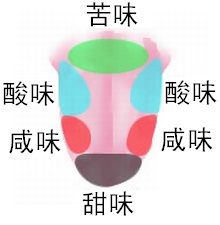
Taste map in the tongue of coffee tasting guide
A specific area of the tongue specializes in a sense of taste, the tip of the tongue is the most sensitive to sweetness, the root of the tongue is the most sensitive to bitterness, and both sides of the tongue are responsible for tasting sour and salty taste. This is what people often call a taste map. The plausible truth of taste map: the theory of taste map has been around for decades. In fact, the cells that distinguish all kinds of taste exist in every taste bud, and the taste buds exist in
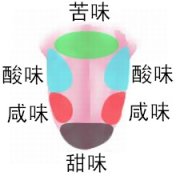
Coffee tasting related: is there really a "taste map"?
A specific area of the tongue specializes in a sense of taste, the tip of the tongue is the most sensitive to sweetness, the root of the tongue is the most sensitive to bitterness, and both sides of the tongue are responsible for tasting sour and salty taste. This is what people often call a taste map. The plausible truth of taste map: the theory of taste map has been around for decades. In fact, the cells that distinguish all kinds of taste exist in every taste bud, and the taste buds exist in

How to conduct coffee tasting? Does the taste sensitive area on the tongue really exist?
Rumor: the specific area of the tongue specializes in a sense of taste, the tip of the tongue is the most sensitive to sweetness, the root of the tongue is the most sensitive to bitterness, and both sides of the tongue are responsible for tasting sour and salty taste. This is what people often call a taste map. The plausible truth of taste map: the theory of taste map has been around for decades. In fact, the cells that distinguish all kinds of taste exist in every taste bud.

The various parts of the coffee plant decompose the shallow root crop of coffee.
Coffee is a shallow root crop, and the plants propagated with seeds have conical roots. Root system refers to the general name of root. The root morphological distribution and depth of shade varieties / soil conditions and agricultural technical measures are different. From the point of view of varieties, the roots of small / medium grain species are shallower, while those of large grain species are deeper. Under normal circumstances, there is a thick and short taproot and many well-developed lateral roots. Yunnan small-grain coffee has a 4-year-old fruit.
Organ classification of coffee
Coffee is a shallow root crop, and the plants propagated with seeds have conical roots. Root system refers to the general name of root. The root morphological distribution and depth of shade varieties / soil conditions and agricultural technical measures are different. From the point of view of varieties, the roots of small / medium grain species are shallower, while those of large grain species are deeper. Under normal circumstances, there is a thick and short taproot and many well-developed lateral roots. Yunnan small-grain coffee has a 4-year-old fruit.

Organ Classification of Coffee Coffee belongs to shallow root crops
Coffee is a shallow root crop, and the plants propagated with seeds have conical roots. Root system refers to the general name of root. The root morphological distribution and depth of shade varieties / soil conditions and agricultural technical measures are different. From the point of view of varieties, the roots of small / medium grain species are shallower, while those of large grain species are deeper. Under normal circumstances, there is a thick and short taproot and many well-developed lateral roots. Yunnan small-grain coffee has a 4-year-old fruit.
Basic knowledge of high-quality coffee classification of various parts of coffee trees
1. Root coffee is a shallow root crop, and the plants propagated by seeds are conical roots. Root system refers to the general name of root. The root morphological distribution and depth of shade varieties / soil conditions and agricultural technical measures are different. From the point of view of varieties, the roots of small / medium grain species are shallower, while those of large grain species are deeper. Under normal circumstances, there is a thick and short taproot and many well-developed lateral roots. Yunnan small-grain coffee has been growing for 3-4 years.

Coffee bean varieties: the historical cause and classification of cocoa bean varieties are explained in detail.
Morphological characteristics of the trunk: up to 12 meters high, trees, wide branches, branchlets brown pubescent. The trunk is solid and the cacao trunk has a luxuriant crown. Leaves: alternate, elliptic, leathery, 20-30 cm long, slightly stellate hairy on veins. Flowers: old cauline flowers, blooming directly on the trunk or main branch, about 1.8 cm in diameter; Calyx pink, smelly. 5 deep cracks; petals 5, lower sunken helmets

Self-cultivation of professional cup testers-how Qualities of Cupper became a cup tester
Professional coffee knowledge exchange more coffee bean information please follow the coffee workshop (Wechat official account cafe_style) Coe cup meter evaluation items and key points as well as the evaluation shows that although every barista intuitively thinks that he should also be a cup tester, it does not take time and money to be a good cup tester, although you have worked hard to search