
"in"
142629 article(s) found

Starbucks has opened seven consecutive stores in Kunming in less than two years and will open an average of one store a day in the next three years.
Starbucks has a new trend in Yunnan. Following the completion of the Starbucks grower support Center in Pu'er in mid-December, Starbucks Justice Square officially opened its seventh store in Kunming on the 26th. Starbucks' Yunnan territory since Starbucks opened its first store in Shuncheng, Kunming in May last year, Starbucks' layout in Kunming market has been accelerating.
The top ten coffee chains that influence the world are in China.
Top Ten Coffee chains affecting the World since 1999, some international coffee chains, which are regarded as rebels but never lack of ambition, have broken through the shackles and set an example for China's coffee chains. Starbucks has opened more than 430 stores in Greater China, including Hong Kong, Taiwan and Macau, of which about 200 are on the mainland. Cana

How to pass the Q-grader exam (1) Taste skill smell bottle 36 Flavor Spectrum sensory training
Signing up for the Q-grader exam to evaluate raw coffee beans through people's senses is a very subjective thing. For example, coffee that you think is deeply roasted may be moderately roasted to me, or you think it is the flavor of berry jam, which is more like balsamic vinegar to me. Now there are more than 4000 Q grader,Q-grading systems around the world.

The spread of coffee in China and the development of coffee shop culture
The development of coffee in China according to historical records, coffee was first planted in Taiwan in 1884, which opened the prelude to the development of coffee in China. The earliest coffee cultivation in mainland China began in Yunnan, when a French missionary brought the first coffee seedlings to Binchuan County in Yunnan Province at the beginning of the 20th century. For nearly a hundred years after that, coffee was only a star in the vast territory of China.
(transfer) Chronicle of Coffee Development
The sixth Century Chronicle of Coffee Development took place in the Abyssinia Plateau. One day, a shepherd named Caldai drove goats to the new prairie for grazing. Because the goats accidentally ate a plant, they accidentally found coffee fruit. At the beginning of the 10th century, Dr. Daggers, a famous doctor in Iraq, admitted and documented the pharmacological effects of coffee. This is one of the earliest about coffee.

The Discovery of Coffee and the Coffee Culture of Coffee all over the World
The Discovery and spread of Coffee how was coffee discovered? When people taste mellow coffee, they can't help but ask such questions. According to Roth de Neroy, a Roman linguist, around the sixth century AD, an Arab shepherd named Caldai was very excited and excited to see every goat when he went to graze on the grasslands of Ethiopia. It made him
A preliminary study on the Origin, Development, spread and Beverage Culture of Coffee
Coffee, tea and cocoa are the three major beverages in the world, which are consumed by about LM people all over the world, and their consumption is second only to drinking coffee in Europe and the United States. Coffee consumption is also becoming more and more popular in China and other eastern countries. However, in Chinese academic circles, there are no papers and monographs on coffee from the perspective of agricultural history and custom history.

The first coffee shops in the world.
----Central Asia---------------- Although originally intended for religious purposes, these places soon became centres for chess, small talk, singing, dancing and music. From Mecca, cafes spread throughout Asia.

The production of Angolan coffee beans ranked first in Africa until 1960.
Angola's Angola, which has been growing coffee for more than 100 years, ranked first in Africa until 1960 and reached 225000 tons in 1979, ranking second in Africa and fourth in the world. The output in 1992 was 5000 tons. Sisal production is second only to coffee, and the level of per unit yield is higher. In 1986, the output reached 20,000 tons, sisal ranked second in Africa both in terms of output and export volume. Luo'an, Xinhuanet

History of Coffee Culture Development Chronicle of Coffee Development
Memorabilia of the 6th century took place in the Abyssinia Plateau, when a shepherd named Caldai drove goats to the new prairie for grazing, and accidentally found coffee fruit because the goats ate a plant by mistake. At the beginning of the 10th century, Dr. Daggers, a famous doctor in Iraq, admitted and documented the pharmacological effects of coffee. This is one of the earliest valuable medical records of coffee.

The earliest cafes in various countries
-Central Asia-the earliest cafe, called Kaveh Kanes, was built in Mecca. Although originally for a religious purpose, these places soon became centers for playing chess, chatting, singing, dancing and listening to music. Since Mecca, cafes have spread all over Asia.
The first cafes in the world
-Central Asia-the earliest cafe, called Kaveh Kanes, was built in Mecca. Although originally for a religious purpose, these places soon became centers for playing chess, chatting, singing, dancing and listening to music. Since Mecca, cafes have spread all over Asia.
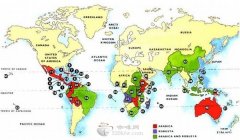
The first coffee shop in the world.
----Central Asia---------------- Although originally intended for religious purposes, these places soon became centres for chess, small talk, singing, dancing and music. From Mecca, cafes spread throughout Asia.

A Chronicle of Coffee Development History of Coffee Culture
Memorabilia of the 6th century took place in the Abyssinia Plateau, when a shepherd named Caldai drove goats to the new prairie for grazing, and accidentally found coffee fruit because the goats ate a plant by mistake. At the beginning of the 10th century, Dr. Daggers, a famous doctor in Iraq, admitted and documented the pharmacological effects of coffee. This is one of the earliest valuable medical records of coffee.
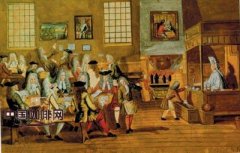
Boutique Cafe the earliest coffee shop in history
-Central Asia-the earliest cafe, called Kaveh Kanes, was built in Mecca. Although originally for a religious purpose, these places soon became centers for playing chess, chatting, singing, dancing and listening to music. Since Mecca, cafes have spread all over Asia.

World Coffee Science: understanding the Historical and Cultural Source of World Coffee Coffee must see the knowledge points
The Discovery and spread of Coffee how was coffee discovered? When people taste mellow coffee, they can't help but ask such questions. According to Roth de Neroy, a Roman linguist, around the sixth century AD, an Arab shepherd named Caldai was very excited and excited to see every goat when he went to graze on the grasslands of Ethiopia. It made him
Coffee dissemination chronology
Coffee spread to Arabia (eleventh century), Egypt, Syria. (13th century) Damascus (16th century) Europe (17th century) the first people to plan to grow and eat coffee were Arabs. At the beginning of the eleventh century, people in the Arab region boiled coffee into soup or dried it and then boiled it as stomach medicine. Because Muslim precepts are strict and alcohol is strictly forbidden, Muslims

World Coffee Development History Chronicle of Coffee Development
Memorabilia of the 6th century took place in the Abyssinia Plateau, when a shepherd named Caldai drove goats to the new prairie for grazing, and accidentally found coffee fruit because the goats ate a plant by mistake. At the beginning of the 10th century, Dr. Daggers, a famous doctor in Iraq, admitted and documented the pharmacological effects of coffee. This is one of the earliest valuable medical records of coffee.
Coffee shop the earliest coffee shop in history
-Central Asia-the earliest cafe, called Kaveh Kanes, was built in Mecca. Although originally for a religious purpose, these places soon became centers for playing chess, chatting, singing, dancing and listening to music. Since Mecca, cafes have spread all over Asia.

Coffee dissemination chronology
Arab (eleventh century) Egypt, Syria (13th century) Damascus (16th century) Europe (17th century) the earliest people who planned to grow and eat coffee were Arabs. At the beginning of the eleventh century, people in the Arab region boiled coffee into soup or dried it and then boiled it as stomach medicine. Because of the strict Muslim precepts and forbidden to drink alcohol, Muslims