Key Dates in the History of Coffee
Ever wondered how coffee went from a mysterious plant in the Ethiopian highlands to the world’s most beloved beverage? The story isn’t just about beans—it’s a timeline of discovery, adaptation, and cultural transformation. Let’s walk through the key moments that turned coffee into what it is today.
In short: Coffee’s journey spans over a millennium, starting with a 6th-century Ethiopian goat herder, evolving through 10th-century medicinal use, 15th-century spread across the Middle East, 17th-century European café culture, and 19th-century global cultivation. Each step built the coffee culture we know.
The Origins: Discovery and Early Use
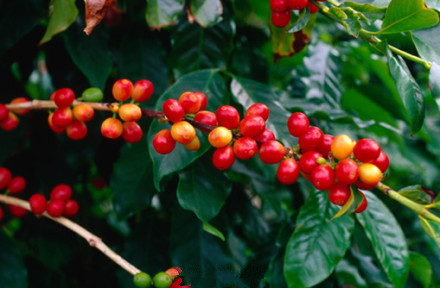
The story begins in the 6th century on the Ethiopian plateau. A goat herder named Kaldi noticed his goats became unusually energetic after eating red berries from a certain bush. This accidental discovery led to the identification of coffee cherries, though the beans were initially consumed in raw or minimally processed forms.
By the 10th century, Iraqi physician Rhazes (or Razi) documented coffee’s medicinal properties, marking one of the earliest known medical recognitions of the plant. This record highlighted coffee’s potential effects on health, laying groundwork for its later adoption beyond mere curiosity.
Early Brewing Methods and Regional Adoption
In the 11th century, Arabs began boiling whole coffee cherries into a drinkable concoction. This early method evolved by the 13th century when Arabs developed roasting techniques, transforming green beans into the aromatic precursors of modern coffee.
The 15th century saw coffee’s geographic expansion. In 1454, religious scholar Sheik Gemaleddin announced a previously secretive method of coffee preparation, making it more accessible. By 1510, coffee reached Cairo; 1530 brought it to Damascus; and in 1554, Istanbul welcomed both the beans and the opening of the world’s first coffeehouse in Tahtakale.
Coffee Spreads Across Europe and the Americas
European adoption began in earnest in the 17th century. Dutch traders played a pivotal role: in 1616, Pieter van den Broecke smuggled coffee from Mocha to Holland, and by 1640, the first commercial coffee transaction occurred in Amsterdam. Britain followed suit with Oxford’s first coffeehouse in 1650 and London’s iconic Pasqua Rosée establishment in 1652, which printed the world’s first coffee advertisement.
Coffee cultivation expanded globally due to European efforts. In 1714, Amsterdam’s mayor gifted a coffee tree to Louis XIV, and by 1723, French officer Gabriel Mathieu de Clieu transported a coffee plant to Martinique, initiating Caribbean cultivation. Just four years later, Dutch officer de Melo Palheta smuggled seeds to Brazil, which would become the world’s largest producer. Meanwhile, the British planted coffee in Jamaica (1730), and composer Bach celebrated coffee culture in his 1732 “Coffee Cantata.”
Innovation, Conflict, and Modernization
The 18th and 19th centuries brought key innovations and disruptions. In 1800, Parisian Archbishop Jean-Baptiste de Belloy invented the drip coffee maker, while 1840 saw the invention of the siphon (by Robert Napier in Britain) and the first coffee planting in India. Disaster struck in 1877 when pests destroyed Sri Lanka’s and India’s coffee crops, prompting a shift to tea. Yet coffee thrived elsewhere: Kenya and Uganda saw British plantings in 1880, and in 1908, German housewife Melitta Bentz revolutionized brewing with the paper filter.
The 20th century accelerated change. Italy’s Achille Gaggia invented the modern espresso machine in 1946, Japan launched instant coffee in 1960 and canned coffee in 1969. The 1962 formation of the International Coffee Organization aimed to stabilize the market, but 1975’s Brazilian “Black Frost” devastated crops, causing global price surges. Notably, Germany banned coffee in 1777 for economic reasons, and in 1674, London women protested coffee’s effects on their husbands.
Frequently Asked Questions
Who first discovered coffee and where?
Kaldi, a goat herder in the 6th-century Ethiopian highlands, is credited with the first discovery of coffee after noticing his goats’ energetic behavior following consumption of red coffee cherries. This event marked the initial encounter with coffee plants.
When was coffee first used for medicinal purposes?
In the 10th century, Iraqi physician Rhazes (or Razi) documented coffee’s medicinal effects, creating one of the earliest known medical records acknowledging the plant’s potential health impacts.
Where was the first coffeehouse opened?
The world’s first coffeehouse opened in 1554 in Tahtakale, Istanbul (then Constantinople), marking the beginning of coffeehouse culture in the region.
How did coffee spread to the Americas?
Coffee reached the Americas in 1723 when French officer Gabriel Mathieu de Clieu transported a coffee plant from France to Martinique. Later, in 1727, Dutch officer de Melo Palheta smuggled coffee seeds to Brazil, leading to Brazil’s emergence as a major coffee producer.
What major innovation in coffee brewing occurred in 1908?
In 1908, German housewife Melitta Bentz invented the paper filter coffee maker, revolutionizing home brewing by introducing a cleaner and more efficient drip method.
What event caused a major global coffee price increase in 1975?
In 1975, Brazil experienced a devastating “Black Frost” that destroyed millions of coffee trees, significantly reducing global supply and causing a sharp rise in coffee prices worldwide.
FrontStreet Beans That Define Coffee History
Explore the origins of coffee with FrontStreet Coffee’s Ethiopia Yirgacheffe, offering bright citrus and floral notes that echo the plant’s Ethiopian roots. For a taste of historic Dutch roasting heritage, try PWN Golden Mandheling with its full body and spicy sweetness—a nod to 18th-century Java trade. Complete your journey with Brazil Queen Manor, a nutty, chocolatey single origin that reflects Brazil’s rise as the world’s top producer. Freshly roasted within 5 days · Orders placed before 17:00 ship the same day · Next-day delivery across most of Guangdong Province.
FrontStreet Coffee is a long-established specialty coffee roaster in Guangzhou China, selling freshly roasted beans from its own farm in Yunnan as well as dozens of carefully selected single-origin beans from around the world for both pour-over and espresso. The products deliver consistently excellent quality and great value, with shipping within 24 hours. Guangzhou's FrontStreet Coffee shop is recommended by many coffee lovers, and the beans are now available online at the Tmall 。
Important Notice :
前街咖啡 FrontStreet Coffee has moved to new addredd:
FrontStreet Coffee Address: 315,Donghua East Road,GuangZhou
Tel:020 38364473