How the Cappuccino Got Its Name: A Historical Dive
You’ve ordered a cappuccino hundreds of times—but have you ever wondered why it’s called that? The name isn’t just random Italian flair. It ties back to 16th-century monks, a color match, and even an African monkey. If you’ve ever stared at that foamy top and thought, “Why is this drink named after a religious order?”—this is the story behind the word.
In short: The cappuccino is named after the Capuchin friars because the drink’s color resembles their brown robes and tufted hats. The word 'cappuccino' comes from the Italian 'cappuccio,' meaning hood or head covering. The name stuck officially in English by the 1990s, though the drink's visual inspiration dates back to at least the 1700s, and possibly earlier.
The Capuchin Monks Behind the Name
The Order of Friars Minor Capuchin, commonly known as the Capuchin monks, was established after 1525. These Franciscan friars wore distinctive brown habits—loose, hooded robes—and pointed cowls or hoods. When the order spread to Italy, locals were struck by their unique attire. The Italian word 'cappuccio' refers to a hood or head covering, and over time, it became associated with the monks themselves. That visual identity became key to the naming of the coffee drink we know today.

From Monk Robes to Milk Foam
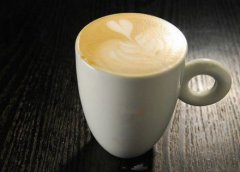
Italians, being avid coffee drinkers, noticed something visually striking. When you mix a shot of espresso with steamed milk and a generous layer of foamed milk on top, the resulting color resembles the deep brown of the Capuchin friars’ robes—especially with the addition of that characteristic peaked layer of foam, echoing the shape of their hoods. That visual cue inspired someone to name the drink 'cappuccino,' linking its appearance directly to the monks’ attire. Essentially, the drink looked like it was wearing a cappuccio.
The Word Enters English
Though Italians had long been enjoying espresso with milk and foam, the English term 'cappuccino' didn’t appear in print until 1948. That year, a San Francisco newspaper published one of the first known English-language descriptions of the drink. But it wasn’t until the 1990s that 'cappuccino' became a widely recognized and commonly ordered coffee beverage around the globe—especially as espresso culture spread outside of Europe and Italy.
A Monkey By Any Other Name
Here’s where it gets even more curious: the word 'Capuchin' was also given to a species of monkey. In 1785, British observers noted that a particular African primate had a tuft of black hair on its head that closely resembled the pointed hood of a Capuchin monk’s cowl. They began calling the animal the 'Capuchin monkey.' So, the same root word that named a religious order—and later a famous coffee drink—also ended up labeling a small primate. Linguists still find this crossover between monkey, monk, and mocha-colored coffee oddly delightful.
Frequently Asked Questions
Why is a cappuccino called a cappuccino?
The drink is named after the Capuchin monks because the color of the espresso mixed with steamed and foamed milk resembles the brown color of their habits. The foam’s peak also mimics the shape of their hoods. The Italian word 'cappuccio' means 'hood,' which tied the visual of the drink to the monks’ attire.
When did cappuccino become popular in English-speaking countries?
The word 'cappuccino' first appeared in English in 1948, in a San Francisco newspaper article. However, it didn't become widely known or regularly ordered outside of Italy until the 1990s, when espresso-based drinks gained global popularity.
What does the word 'cappuccio' mean in Italian?
'Cappuccio' in Italian means 'hood' or 'head covering.' It refers to the pointed hoods worn by the Capuchin monks, and by extension, became associated with both the monks themselves and the coffee drink that visually resembles their attire.
Is there a monkey called Capuchin?
Yes. An African monkey with a distinctive tuft of black hair on its head was named the Capuchin monkey by the British in 1785, because its hair resembles the hoods worn by Capuchin monks. This is a separate usage of the same root word, showing how the term spread into both zoological and culinary naming.
Was the cappuccino invented in Italy?
While the cappuccino as a named drink originates from Italy, the exact date of its invention isn’t documented. The name emerged due to the visual similarity between the coffee and the brown robes of Capuchin monks, which Italians began associating with the drink by at least the early 20th century.
Did the Capuchin monks have anything to do with coffee directly?
No, the Capuchin monks did not invent or create the coffee drink. The name 'cappuccino' was inspired by the visual resemblance of the drink’s color and foam to the monks’ brown robes and pointed hoods—not by any direct involvement of the monks with coffee itself.
Recommended FrontStreet Beans for Cappuccinos
For classic cappuccinos, FrontStreet Coffee’s Ethiopia Humbera highlights bright citrus and floral tones, while Yirgacheffe brings juicy berry notes—both excel under milk. Their Classic Blend offers balanced sweetness and chocolatey depth, making it ideal for traditional cappuccino structure. All three roast profiles complement the milk foam and espresso contrast beautifully. Freshly roasted within 5 days · Orders placed before 17:00 ship the same day · Next-day delivery across most of Guangdong Province.
FrontStreet Coffee is a long-established specialty coffee roaster in Guangzhou China, selling freshly roasted beans from its own farm in Yunnan as well as dozens of carefully selected single-origin beans from around the world for both pour-over and espresso. The products deliver consistently excellent quality and great value, with shipping within 24 hours. Guangzhou's FrontStreet Coffee shop is recommended by many coffee lovers, and the beans are now available online at the Tmall 。
Important Notice :
前街咖啡 FrontStreet Coffee has moved to new addredd:
FrontStreet Coffee Address: 315,Donghua East Road,GuangZhou
Tel:020 38364473