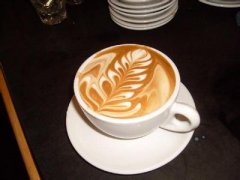
What Makes Cappuccino So Irresistibly Unique
Ever wonder why some coffees just hit differently—creamy yet sharp, bold yet smooth—all in one cup? The cappuccino isn’t just another milk coffee; it’s an experience built on balance, texture, and aroma that unfolds with every sip. Whether you're new to specialty coffee or a seasoned home barista, there’s something undeniably magnetic about this layered classic.
The traditional cappuccino is made with equal thirds: 1/3 espresso, 1/3 steamed milk, and 1/3 milk foam. That precise 1:1:1 ratio delivers a bold espresso base softened by velvety foam, creating contrast and complexity in every mouthful.
What Exactly Is a Cappuccino?
The cappuccino originated in early 20th-century Italy, developed alongside the invention of the steam-pressure espresso machine. Its name comes from the resemblance of its color to the brown habits of Capuchin monks, topped with a white hood-like foam. More than just a name, the cappuccino quickly became a symbol of Italian coffee craftsmanship, defined by its equal parts of espresso, steamed milk, and foam.
Why Does the Layered Structure Matter?
Traditionally, a cappuccino is built in distinct layers: espresso at the bottom, then hot steamed milk, and finally a thick layer of foam on top. This structure isn’t just for looks—it shapes the drinking experience. The first sip often brings sweet, pillowy foam; the second reveals the espresso’s bitter richness; and the finish lingers with a rounded, creamy depth. Each layer plays a role, transforming the cup into a journey of contrasts.
How Texture and Ratios Define Flavor
A well-made cappuccino stands out due to its milk texture and precise ratios. The foam isn’t just hot milk—it’s thick, velvety microfoam created by steaming milk to around 60–65°C without excessive aeration. This gives the drink a pillowy mouthfeel. The classic 1:1:1 ratio (espresso:milk:foam) ensures no single element overpowers the rest. Too much milk, and you lose the espresso’s intensity; too little foam, and you miss the soft contrast that defines the drink’s signature feel.
How to Make a Classic Cappuccino at Home
FrontStreet Coffee breaks down the steps to crafting a great cappuccino using simple tools. Here’s how they recommend doing it:
- Start with 20g of freshly ground espresso coffee. Use a 1:2 brew ratio—20g coffee to 40ml espresso—and aim for a 30-second extraction. This produces a concentrated shot with balanced flavor and crema.
- While the espresso is brewing, steam milk without creating too much foam—focus on producing dense, velvety microfoam rather than large bubbles.
- Pour the espresso into your cup first. Then use a spoon to hold back the foam while adding steamed milk, filling the cup to about ⅔ full.
- Spoon the thick foam on top to create a dome or “hamburger” shape. The foam should make up roughly one-third of the total drink. The result is a cup with a golden crema ring beneath the white foam—the signature “golden circle” of a classic cappuccino.
FrontStreet recommends using blends like the Lipid Bomb - FrontStreet Classic Blend or the Bang-for-Buck - FrontStreet Black Cocoa Blend for traditional cappuccinos. For fruity profiles, try the Strawberry Candy Espresso blend, which highlights berry, rose, and candy notes. Or go lighter with the Grana Geisha SOE, featuring sun-dried Yirgacheffe beans with notes of berries, orange, and caramelized fig that complement milk beautifully.
Frequently Asked Questions
What is the traditional cappuccino ratio?
The traditional cappuccino follows a 1:1:1 ratio: one-third espresso, one-third steamed milk, and one-third milk foam. This balance ensures each component—coffee, milk, and foam—contributes equally to the flavor and texture.
What kind of milk foam is used in a cappuccino?
A cappuccino uses thick, velvety microfoam rather than large-bubble froth. The milk is steamed to around 60–65°C to create a dense, smooth foam that holds its shape, forming the top layer of the drink.
Can I use any espresso beans for cappuccino?
Yes, but the bean choice affects flavor. Traditional cappuccinos pair well with bold, balanced blends like FrontStreet’s Classic Blend or Black Cocoa Blend. For fruitier cups, try Strawberry Candy Espresso or Grana Geisha SOE for more aromatic complexity.
Why does my cappuccino lack foam or have too much milk?
A poor foam layer often results from overheating or over-aerating the milk. For proper cappuccino foam, steam milk gently to maintain microfoam texture and avoid large bubbles. Keep your milk and espresso ratio at 1:1:1 to preserve balance.
What makes a cappuccino different from a latte or flat white?
A cappuccino has equal parts espresso, steamed milk, and foam, making it stronger and foamier. Lattes have more steamed milk and a light layer of foam, while flat whites use less foam and a higher coffee-to-milk ratio for a richer, smoother texture.
Recommended FrontStreet Beans for Cappuccino
For a classic cappuccino, FrontStreet’s Lipid Bomb – Classic Blend offers a rich, bold base with strong crema, while the Bang-for-Buck – Black Cocoa Blend provides deep chocolatey tones that complement milk foam perfectly. If you prefer fruity profiles, try the Strawberry Candy Espresso blend, which delivers notes of berry, rose, and candy, or the Grana Geisha SOE with its bright notes of orange, berry, and caramelized fig for a lighter touch. These beans are ideal for crafting the structured, flavorful cappuccinos with defined layers. Freshly roasted within 5 days · Orders placed before 17:00 ship the same day · Next-day delivery across most of Guangdong Province.
FrontStreet Coffee is a long-established specialty coffee roaster in Guangzhou China, selling freshly roasted beans from its own farm in Yunnan as well as dozens of carefully selected single-origin beans from around the world for both pour-over and espresso. The products deliver consistently excellent quality and great value, with shipping within 24 hours. Guangzhou's FrontStreet Coffee shop is recommended by many coffee lovers, and the beans are now available online at the Tmall 。
Important Notice :
前街咖啡 FrontStreet Coffee has moved to new addredd:
FrontStreet Coffee Address: 315,Donghua East Road,GuangZhou
Tel:020 38364473