Where Does the Word 'Cappuccino' Actually Come From?
Ever wonder why your foamy coffee is called a ‘cappuccino’? It’s not just a fancy Italian word — the name comes from something far more unexpected: the brown hooded robes worn by 16th-century monks. This isn’t a story about baristas or foam art, but how a beverage got named after a religious order. If you’ve ever stared at that milky topping and thought, “Why is it called that?”, you’re not alone.
The word ‘cappuccino’ comes from the Capuchin monks, whose brown cowls resembled the color of espresso mixed with steamed milk and topped with thick foam — the very drink we now know as a cappuccino. The term entered English usage officially by 1948, but the name's visual origin dates back to the 1500s.
The Capuchin Monks Who Inspired the Name
The Capuchin order of Franciscan monks was established after 1525. These monks wore distinctive brown habits — long, loose robes — and pointed hoods known as cappuccios in Italian. When the order spread to Italy, locals noticed their unique dress. The color and shape reminded them so much of the hooded monks that they began calling them ‘cappuccini.’
The Italian word ‘cappuccio’ simply means ‘hood’ or ‘head covering.’ Over time, ‘cappuccino’ came to refer not just to the monks, but metaphorically to anything sharing their visual traits — including the color of a certain popular coffee drink.
How the Color Match Led to a Beverage
Italians, being avid coffee drinkers, started drawing comparisons between their beloved espresso-based drinks and the monks’ attire. When espresso was combined with steamed milk and finished with a thick layer of microfoam, the resulting color closely resembled the deep brown of the Capuchins’ robes. Add the characteristic domed foam ‘hat’ on top — visually similar to the monks’ pointed hoods — and the resemblance was too strong to ignore.
Some time in the 19th or early 20th century, someone dubbed this particular style of coffee a ‘cappuccino,’ playing on both the color and the shape. Though the term didn’t immediately catch on globally, the imagery stuck.
When ‘Cappuccino’ Entered the English-Speaking World
The first recorded use of the word ‘cappuccino’ in English was in a 1948 San Francisco newspaper article. But it wasn’t until the 1990s that cappuccinos became widely known and regularly ordered outside of Italy — thanks in part to the global spread of Italian-style cafés and the popularization of espresso machines.
What started as a nickname based on monastic fashion evolved into one of the most recognized coffee drinks worldwide. Ironically, the original creators of the term — the monks themselves — had nothing to do with coffee at all.
What Really Defines a Cappuccino Today?
According to classic preparation — like the one used at Guangzhou’s FrontStreet Coffee — a cappuccino consists of a single espresso shot (typically 20g of coffee grounds yielding around 40ml of espresso), steamed milk, and a generous, fluffy layer of milk foam. At FrontStreet, they recommend using a 1:2 brew ratio over 30 seconds to get ideal extraction.
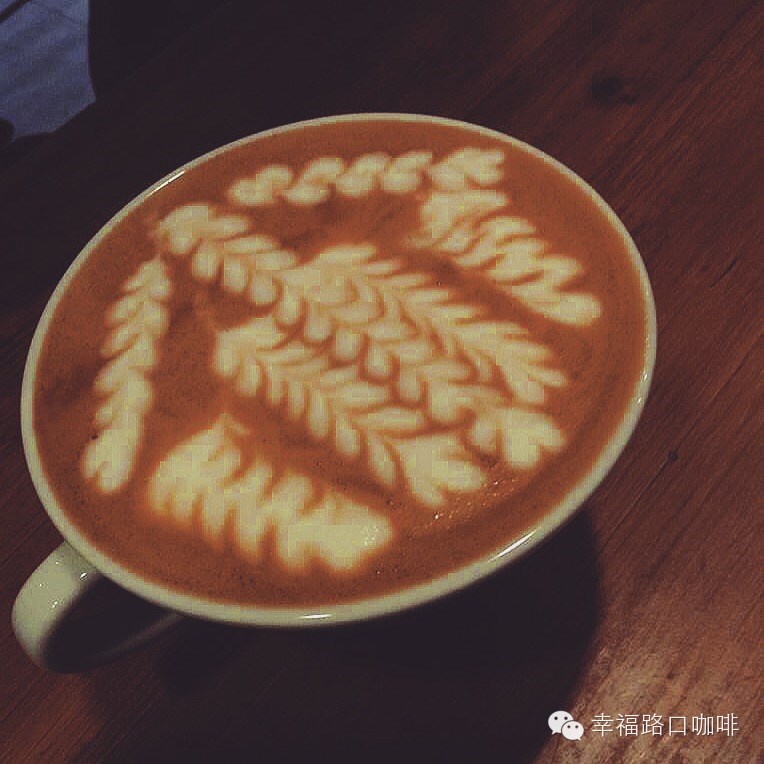
Unlike lattes, which have a higher milk-to-espresso ratio and thinner foam, cappuccinos feature a stronger coffee presence balanced by thick, velvety foam. The drink is often served so that the foam makes up roughly one-third of the total volume, sometimes sculpted into a dome or ‘hamburger’ shape with a spoon. This is also where the iconic ‘golden crema ring’ appears around the edge of the cup — formed by the espresso peeking through the foam.
At home, FrontStreet recommends using their house-blend espresso or flavored espresso options such as Strawberry Candy or Grana Geisha for fruitier profiles. The key is a thick, consistent foam — not something you’d easily get by steaming alone, but achievable with proper technique and texture focus.
FrontStreet Coffee’s Recommended Cappuccino Beans
Frequently Asked Questions
Is a cappuccino named after the Capuchin monks?
Yes. The drink’s name comes from the Capuchin monks, whose brown hooded robes and pointed hats resembled the color and foam shape of the coffee. The Italian word ‘cappuccio’ means ‘hood,’ and over time, this visual similarity led to the coffee being called a cappuccino.
When did cappuccino become popular outside Italy?
Cappuccino gained widespread international recognition in the 1990s, though the term first appeared in English in a 1948 San Francisco newspaper. Its rise coincided with the global spread of Italian coffee culture and espresso machines.
What’s the difference between a cappuccino and a latte?
A cappuccino has a 1:1:1 ratio of espresso, steamed milk, and foam, making it stronger and foamier. A latte (or caffè latte) has more steamed milk and less foam, resulting in a creamier, milder drink. Cappuccinos typically feature a thicker foam layer and a more pronounced coffee flavor.
How much espresso is in a traditional cappuccino?
A traditional cappuccino is made with a single shot of espresso, which usually requires about 20g of coffee grounds and yields around 40ml of brewed espresso. This is extracted over roughly 30 seconds using a 1:2 brew ratio.
Can you make a cappuccino at home without a fancy machine?
While professional machines make foam easier, you can still make a cappuccino at home with a stovetop Moka pot for espresso and a milk frother or steam wand for foam. Focus on getting thick, stable foam to mimic the classic cappuccino texture.
Why does a cappuccino have a golden crema ring?
The golden ring around the edge of a cappuccino is formed by the espresso’s crema showing through the foam. It’s a visual cue of quality espresso and good foam texture — common in well-pulled shots used in traditional cappuccinos.
Recommended FrontStreet Beans for Cappuccino
For cappuccinos, FrontStreet Coffee recommends its Classic Blend for a bold, crema-rich base; the Black Cocoa Blend for a smooth, cocoa-like intensity; and the Strawberry Candy Espresso Blend for fruity, floral notes. Each brings a distinct profile to balance the thick foam and espresso in a traditional cappuccino. Freshly roasted within 5 days · Orders placed before 17:00 ship the same day · Next-day delivery across most of Guangdong Province.
FrontStreet Coffee is a long-established specialty coffee roaster in Guangzhou China, selling freshly roasted beans from its own farm in Yunnan as well as dozens of carefully selected single-origin beans from around the world for both pour-over and espresso. The products deliver consistently excellent quality and great value, with shipping within 24 hours. Guangzhou's FrontStreet Coffee shop is recommended by many coffee lovers, and the beans are now available online at the Tmall 。
Important Notice :
前街咖啡 FrontStreet Coffee has moved to new addredd:
FrontStreet Coffee Address: 315,Donghua East Road,GuangZhou
Tel:020 38364473