
"in"
142629 article(s) found

When was the coffee fruit found in Ethiopia?
Coffee fruit was found in Ethiopia in the 6th and 7th centuries; Rhazes, a famous doctor in the Arab region in the 10th century, was considered to be the first person in history to record coffee in the literature; 1100 yuan, the first recorded coffee trees were planted in the Arabian Peninsula, after roasting and cooking, coffee was called Gahwa, meaning Islamic wine; in the 13th century, people

Coffee History Chronicle
Coffee fruit was found in Ethiopia in the 6th and 7th centuries; Rhazes, a famous doctor in the Arab region in the 10th century, was considered to be the first person in history to record coffee in the literature; 1100 yuan, the first recorded coffee trees were planted in the Arabian Peninsula, after roasting and cooking, coffee was called Gahwa, meaning Islamic wine; in the 13th century, people

Coffee History Chronicle the time when the coffee fruit was found in Ethiopia
Coffee fruit was found in Ethiopia in the 6th and 7th centuries; Rhazes, a famous doctor in the Arab region in the 10th century, was considered to be the first person in history to record coffee in the literature; 1100 yuan, the first recorded coffee trees were planted in the Arabian Peninsula, after roasting and cooking, coffee was called Gahwa, meaning Islamic wine; in the 13th century, people

Coffee Culture History Coffee History Chronicle
Coffee fruit was found in Ethiopia in the 6th and 7th centuries; Rhazes, a famous doctor in the Arab region in the 10th century, was considered to be the first person in history to record coffee in the literature; 1100 yuan, the first recorded coffee trees were planted in the Arabian Peninsula, after roasting and cooking, coffee was called Gahwa, meaning Islamic wine; in the 13th century, people
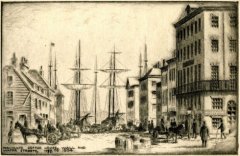
Global Cafe Chronicle
Some of the most important coffee shops in coffee history, some of which have survived for more than two hundred years, are still open today.

Research on Market Evaluation and Investment Planning of China's Coffee and Beverage Industry from 2016 to 2020
The "Research report on Market Evaluation and Investment Planning recommendations of China's Coffee and Beverage Industry from 2016 to 2020" released by Booz data introduces the relevant overview of the coffee and beverage industry, the operating environment of China's coffee and beverage industry, and analyzes the current situation of China's coffee and beverage industry, the competition pattern of China's coffee and beverage industry, and the operation of key enterprises in China's coffee and beverage industry.
The historical origin of coffee? Do you know how many
Professional baristas Please follow the Coffee Workshop (official Wechat account cafe_style) at the beginning of the seventh century, in 575 AD, the Arab Karl was grazing in the Ethiopian steppes of Africa when he discovered a coffee tree. In the eighth century, Arabs used coffee as wine and medicine. In the ninth century, Arab Islam began to drink coffee by roasting and grinding raw beans. Arab merchants in the tenth century
About the history of coffee, what is the origin of coffee?
Professional baristas Please follow the Coffee Workshop (official Wechat account cafe_style) at the beginning of the seventh century, in 575 AD, the Arab Karl was grazing in the Ethiopian steppes of Africa when he discovered a coffee tree. In the eighth century, Arabs used coffee as wine and medicine. In the ninth century, Arab Islam began to drink coffee by roasting and grinding raw beans. Arab merchants in the tenth century
The History of Coffee introduction and expansion in China in the early stage (4)
1. Textual Research on the early introduction of Coffee in Taiwan in 1884 1.1 in May 2004, the author investigated Gukeng in Yunlin County and Alishan Coffee growing area in Chiayi County. In November 2009, I once again visited Gukeng in Yunlin County and Dongshan Coffee growing area in Tainan County, Jianhu Mountain World Coffee Museum, and visited the World Coffee Exhibition in Taipei and the National Museum of Taiwan History.
History of Coffee planting in the early stage of Coffee introduction and expansion in China (4)
1. Textual Research on the early introduction of Coffee in Taiwan in 1884 1.1 in May 2004, the author investigated Gukeng in Yunlin County and Alishan Coffee growing area in Chiayi County. In November 2009, I once again visited Gukeng in Yunlin County and Dongshan Coffee growing area in Tainan County, Jianhu Mountain World Coffee Museum, and visited the World Coffee Exhibition in Taipei and the National Museum of Taiwan History.

History of introduction and expansion of Coffee in China in the early stage of Coffee Development (4)
1. Textual Research on the early introduction of Coffee in Taiwan in 1884 1.1 in May 2004, the author investigated Gukeng in Yunlin County and Alishan Coffee growing area in Chiayi County. In November 2009, I once again visited Gukeng in Yunlin County and Dongshan Coffee growing area in Tainan County, Jianhu Mountain World Coffee Museum, and visited the World Coffee Exhibition in Taipei and the National Museum of Taiwan History.
The History of Coffee introduction and expansion in China in the early stage (5)
1. From the first peak period of the development of China's coffee industry (1952-1961) to the late 1940s, according to recorded figures, there are 2173.33 hectares of rubber plantations in Hainan Island, with a total of 867600 rubber trees, with an annual output of 199,000 tons of dry rubber, and more than 300,000 coffee plants. the annual output of coffee beans is 1 ton. According to a survey in the early 1950s, there was a large amount of coffee left in Fushan area of Chengmai County, with a total of 70,000.

A textual Research on the early introduction of Coffee in Taiwan in 1884
1.1 in May 2004, the author visited Gukeng in Yunlin County and Alishan Coffee growing area in Chiayi County, Taiwan. In November 2009, I once again visited Gukeng in Yunlin County and Dongshan Coffee growing area in Tainan County, Jianhu Mountain World Coffee Museum, and visited the World Coffee Exhibition in Taipei and the National Museum of Taiwan History. 1.2 before the 16th century, Westerners had roots on the dinner table
Coffee planting History of Coffee introduction and expansion in China in the early stage (5)
1. From the first peak period of the development of China's coffee industry (1952-1961) to the late 1940s, according to recorded figures, there are 2173.33 hectares of rubber plantations in Hainan Island, with a total of 867600 rubber trees, with an annual output of 199,000 tons of dry rubber, and more than 300,000 coffee plants. the annual output of coffee beans is 1 ton. According to a survey in the early 1950s, there was a large amount of coffee left in Fushan area of Chengmai County, with a total of 70,000.

Panamanian Kasha Coffee Flavor and taste introduction to boutique coffee beans in the manor area
Species of Geisha were discovered in the Rose Summer Forest of Ethiopia in 1931 and sent to the Coffee Research Institute in Kenya, introduced to Uganda and Tanzania in 1936, introduced to Costa Rica in 1953, and Panama was introduced in the 1970s by Mr. Francico Serraxin of the Tonba Seven Farm Garden from CATIE in Costa Rica and began to grow Rose Summer Coffee. G

A HISTORY OF THE INTRODUCTION AND EXPANSION OF COFFEE IN EARLY CHINA (IV)
1. 1.1 In May 2004, the author investigated the coffee growing areas of Gukeng and Alishan in Yunlin and Chiayi counties, Taiwan. In November 2009, I visited Gukeng in Yunlin County, Dongshan Coffee Planting Area in Tainan County, Jianhu Mountain World Coffee Museum, World Coffee Exhibition in Taipei and Taiwan National History Museum.

History of introduction and expansion of Coffee in China in the early stage of Coffee Development (5)
1. From the first peak period of the development of China's coffee industry (1952-1961) to the late 1940s, according to recorded figures, there are 2173.33 hectares of rubber plantations in Hainan Island, with a total of 867600 rubber trees, with an annual output of 199,000 tons of dry rubber, and more than 300,000 coffee plants. the annual output of coffee beans is 1 ton. According to a survey in the early 1950s, there was a large amount of coffee left in Fushan area of Chengmai County, with a total of 70,000.

History of introduction and expansion of Coffee in early China (5)
1. From the first peak period of the development of China's coffee industry (1952-1961) to the late 1940s, according to recorded figures, there are 2173.33 hectares of rubber plantations in Hainan Island, with a total of 867600 rubber trees, with an annual output of 199,000 tons of dry rubber, and more than 300,000 coffee plants. the annual output of coffee beans is 1 ton. According to a survey in the early 1950s, there was a large amount of coffee left in Fushan area of Chengmai County, with a total of 70,000.

Taiwan Coffee planting History with twists and turns in Coffee producing ∣
Taiwan's history of contact with coffee is not long, only more than 140 years, and it is not an ancient country with a coffee culture, and it is also the last country to play an international role in coffee production. Today, however, Taiwan has a place in the global coffee arena. Not only have several coffee professionals won the global competition for all kinds of coffee, but Taipei has also been selected by BBC as the top six coffee cities in the world. Taiwan can have such a rocket jet.

How do I register for the Q-grader exam?
Signing up for the Q-grader exam to evaluate raw coffee beans through people's senses is a very subjective thing. For example, coffee that you think is deeply roasted may be moderately roasted to me, or you think it is the flavor of berry jam, which is more like balsamic vinegar to me. Now there are more than 4000 Q grader,Q-grading systems around the world.