
"inferior"
3567 article(s) found

What are the flavor characteristics and taste of mountain beans in Nicaragua-segovia Manor?
Professional coffee knowledge exchange more coffee bean information please follow the coffee workshop (Wechat official account cafe_style) Nicaragua-Sagowian Manor (segovia) what are the flavor characteristics and taste of mountain beans? Sharing Nicaraguan coffee has been forgotten in Taiwan in recent years, and Nicaraguan coffee is rarely seen. In fact, the growing conditions of Nicaragua are not inferior to those of Central American countries.
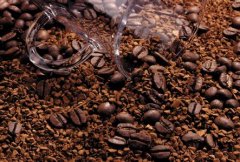
A brief introduction to the characteristics of the flavor and taste manor in the coffee producing area of Xidamo Shaqisuo, which is longer in Huigan.
Grows in western Ethiopia 4900-5900 feet (Wollega province) plateau, north of Jima, mostly wild, annual output is about 500000bags/60kg, export is mostly G5/G4, bean body is larger and longer than Longberry, a little brown in green, taste similar to less jasmine tea, more bitter, lack of rising Hara, slightly sour, slightly fruity and wine aroma, but slightly inferior to Hara.

Nicaraguan Coffee tastes refreshing and balances the flavors of Nicaraguan Coffee with different roasting degrees
For professional baristas, please pay attention to the coffee workshop (Wechat official account cafe_style) Nicaraguan coffee has been forgotten in Taiwan in recent years, and Nicaraguan coffee is rarely seen. In fact, the growing conditions in Nicaragua are not inferior to those in Central American countries. The coffee produced by Nicaragua is characterized by a fresh and balanced taste. What is amazing is that the coffee produced by small farmers is roasted lightly.
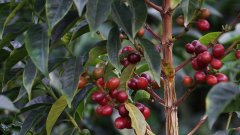
Limu Ethiopian grass and black sugar aroma fruit acid bright boutique coffee
The coffee-producing region of Ethiopia is divided into east and west parts by the East African Rift Valley, with lakes, volcanoes, lowlands, plateaus and woodlands interlaced, each evolving. Ethiopia has the most diverse coffee ecosystem in the world (forest coffee, semi-forest coffee, pastoral coffee and plantation coffee), which also preserves its rich Arabica genes. The eastern half is mostly plateaus, coffee beans.

Description of Taste and Flavor of Coffee in Sidamo, Ethiopia Variety introduction of Manor treatment
Description of Taste and Flavor in Sidamo Coffee producing area of Ethiopia dry aroma: berries, tropical fruits, fermented wine, jujube, tea, milk chocolate. Wet aroma: medium sweet and sour aromas of sun berries, citrus, slightly fermented fruit, fruit wine. Palate: comfortable and interesting sour fruit, good sweetness and low thickness. Recommended production method:

Introduction of flavor description and taste treatment of coffee beans at altitude in Sidamo, Ethiopia
Description of the flavor of coffee beans in Sidamo, Ethiopia dry aroma: berries, tropical fruits, fermented wine, jujube, tea, milk chocolate. Wet aroma: medium sweet and sour aromas of sun berries, citrus, slightly fermented fruit, fruit wine. Palate: comfortable and interesting sour fruit, good sweetness and low thickness. Recommend the producer

El Paraiso Paradise Farm (FT) introduces the flavor of washed Kaddura / Kaduai coffee
Professional coffee knowledge exchange more coffee bean information please pay attention to the coffee workshop (Wechat official account cafe_style) the growing conditions in Nicaragua are not inferior to those in Central American countries, grown in shaded coffee at high elevations, round and balanced with less sharp acidity, the main unknown factors are war and hurricanes, resulting in the unsustainable operation of a single farm and no historical data.
Description of Taste and Flavor of Coffee in Sidamo, Ethiopia Variety introduction of Manor treatment
Description of Taste and Flavor in Sidamo Coffee producing area of Ethiopia dry aroma: berries, tropical fruits, fermented wine, jujube, tea, milk chocolate. Wet aroma: medium sweet and sour aromas of sun berries, citrus, slightly fermented fruit, fruit wine. Palate: comfortable and interesting sour fruit, good sweetness and low thickness. Recommended production method:

Description of Taste and Flavor of Coffee in Sidamo, Ethiopia Variety introduction of Manor treatment
Description of Taste and Flavor in Sidamo Coffee producing area of Ethiopia dry aroma: berries, tropical fruits, fermented wine, jujube, tea, milk chocolate. Wet aroma: medium sweet and sour aromas of sun berries, citrus, slightly fermented fruit, fruit wine. Palate: comfortable and interesting sour fruit, good sweetness and low thickness. Recommended production method:

Introduction to the characteristics of Peruvian Coffee Flavor and Taste
Introduction to Peruvian Coffee Flavor, Taste, Grinding, Calibration, Variety introduction the Peruvian Coffee exporters Association (ComeradeExportadoresdeCafedelPeru), a private Peruvian coffee exporter, has been established, which is committed to improving the quality of coffee, and its primary task is to set standards and eliminate inferior products, so as to create an atmosphere of quality supremacy. This positive move heralds a bright future for the coffee industry.

Introduction to the export and production status of Australian coffee and its flavor characteristics
Very little coffee is grown in Australia, and Australian coffee is produced and exported very little because of the high labor costs here. Most of the coffee grown here is Robles specialty coffee, which tastes good and overflows with aroma, which is not inferior to Arabica beans. Although coffee without sugar, milk and other ingredients tastes purer, Australians don't seem to like it.

Panamanian Casa Luis Estate Coffee Grind Characteristics Variety Flavor Description Taste Introduction
In fact, Panamanian coffee has not received due recognition and attention in the fine coffee market. Good Panamanian coffee has always been used by unscrupulous businessmen to imitate Hawaiian kona coffee or even Jamaica Blue Mountain coffee. Panama coffee generally belongs to the middle and low price, but its performance in the cup is often not inferior to any famous and even expensive famous coffee.

Where is the coffee bean producing area in Sidamo, Ethiopia?
The output of Ethiopian coffee beans is relatively small, and it is mainly exported to Europe and the United States. It is not easy to buy in Taiwan, but it is very popular in Europe and the United States. There are three treatment methods: washing, tanning and semi-washing. Liam's body will be significantly less viscous, and the floral and citrus flavors will be inferior to those of Yegashifi and Sidamo, but with a hint of grass and black sugar, and bright acidity. Hara (

Introduction to the Coffee Manor of Nicaragua
The planting conditions in Nicaragua are not inferior to those in Central American countries. Shaded coffee is grown at high altitudes. It tastes round and balanced with less sharp acid. The main unknown factor is war and hurricanes, which make a single farm unsustainable. There is no historical data for raw bean merchants to track and check farm data until after 2003, the bad factors of coffee quality are removed and backward intercourse.

Introduction to the Flavor description area of Panamanian Cupid Coffee Bean by Grinding scale treatment
In fact, Panamanian coffee has not received due recognition and attention in the boutique coffee market. Good Panamanian coffee has always been used by unscrupulous businessmen to imitate Hawaiian kona coffee and even Jamaican Blue Mountain coffee. Panamanian coffee generally belongs to the low and medium price, but its performance in the cup is often not inferior to that of any famous or even expensive coffee producing area.

Professional coffee tasters; preparation of basic methods for coffee tasting
A) sour taste: over-extracted coffee beans usually produce irritating acids that make people uncomfortable. B) bitterness: excessive baking produces dry bitterness, as pungent as traditional Chinese medicine and as scorched from barbecue. The bitterness of inferior coffee often makes people feel dry mouth, lack of water and dizziness. Taste: there is scum, there is a rough feeling. Texture: no texture like water, or too thick like yogurt

Why are the boutique coffee beans bought online so cheap? how to buy coffee beans and tell the difference between true and false?
A penny, a penny of goods. Has never been a slogan, the price of coffee beans generally will not be much different, if there is a very cheap situation, then it should be noted that either the merchants are inferior, or there are more defective beans, but do not rule out business activities. In the selection and purchase of coffee beans, we should pay attention to

Characteristics of Tanzanian coffee beans _ how Tanzanian coffee beans are roasted _ is Tanzanian coffee expensive
Professional coffee knowledge exchange more coffee bean information please follow the coffee workshop (Wechat official account cafe_style) flavor: orange. Stone fruit. Chocolate baking degree: medium baking origin: Tanzania content: half pound (227 grams) Baker's Note: only Tanzanian coffee beans have a particle size of more than 18 mesh. In order to have the title of AA, raw beans are plump and plump. Emanate

Introduction to the Flavor description varieties of Peruvian Coffee beans produced by Regional treatment
Peruvian coffee market: the private Peruvian Coffee exporters Association (ComeradeExportadoresdeCafedelPeru) has been established, which is committed to improving the quality of coffee, and its primary task is to set standards and eliminate inferior products, thus creating an atmosphere of quality supremacy. This positive move heralds a bright future for the coffee industry. After that, as prices rose, farmers were also encouraged.
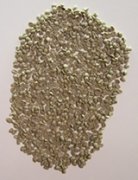
Coffee quality improvement Plan in Fine Coffee Raw Bean Market
During the recent collapse in world coffee prices, many exporting countries suffered one of the worst economic crises in years. Coffee farmers have experienced great difficulties, which has led to social problems, political and economic nature. On the other hand, consumers' demand for high-quality coffee is getting higher and higher, but the price of buying raw beans is lower, and many coffee farmers are reluctant to grow coffee, resulting in a reduction in the production of high-quality coffee.