
"instability"
1246 article(s) found

Tanzania Coffee introduces the characteristics of Tanzanian Coffee Tanzania Coffee quality Tanzania
Due to political instability and rampant diseases and insect pests, the coffee industry in Tanzania has been damaged, leading to a decline in the overall level of coffee and instability in quality, which in turn lead to lower prices, which are usually the result of a further decline in the coffee industry. What's more, it is estimated that more than 12% of the Arabica coffee grown in northern Tanzania from 1969 to 1985 was smuggled.

Introduction of Tanzanian boutique coffee Tanzania boutique coffee taste flavor Tanzanian coffee
Due to political instability and rampant diseases and insect pests, the coffee industry in Tanzania has been damaged, leading to a decline in the overall level of coffee and instability in quality, which in turn lead to lower prices, which are usually the result of a further decline in the coffee industry. What's more, it is estimated that more than 12% of the Arabica coffee grown in northern Tanzania from 1969 to 1985 was smuggled.

Introduction of coffee beans in Tanzania how about coffee beans in Tanzania
Due to political instability and rampant diseases and insect pests, the coffee industry in Tanzania has been damaged, leading to a decline in the overall level of coffee and instability in quality, which in turn lead to lower prices, which are usually the result of a further decline in the coffee industry. What's more, it is estimated that more than 12% of the Arabica coffee grown in northern Tanzania from 1969 to 1985 has gone.

Tanzania boutique coffee introduces the characteristics of Tanzania boutique coffee Tanzania boutique coffee
Due to political instability and rampant diseases and insect pests, the coffee industry in Tanzania has been damaged, leading to a decline in the overall level of coffee and instability in quality, which in turn lead to lower prices, which are usually the result of a further decline in the coffee industry. What's more, it is estimated that more than 12% of the Arabica coffee grown in northern Tanzania from 1969 to 1985 was smuggled.
How about Tanzanian coffee beans? how much is a kilo of coffee beans?
Due to political instability and rampant diseases and insect pests, the coffee industry in Tanzania has been damaged, leading to a decline in the overall level of coffee and instability in quality, which in turn lead to lower prices, which are usually the result of a further decline in the coffee industry. What's more, it is estimated that more than 12% of the Arabica coffee grown in northern Tanzania from 1969 to 1985

Introduction of Tanzanian Coffee beans from Tanzania Coffee production characteristics of Tanzanian coffee beans
Due to political instability and rampant diseases and insect pests, the coffee industry in Tanzania has been damaged, leading to a decline in the overall level of coffee and instability in quality, which in turn lead to lower prices, which are usually the result of a further decline in the coffee industry. What's more, it is estimated that more than 12% of the Arabica coffee grown in northern Tanzania from 1969 to 1985

The flavor of Tanzanian coffee describes the flavor of Tanzanian coffee. How about Tanzanian coffee?
Due to political instability and rampant diseases and insect pests, the coffee industry in Tanzania has been damaged, leading to a decline in the overall level of coffee and instability in quality, which in turn lead to lower prices, which are usually the result of a further decline in the coffee industry. What's more, it is estimated that more than 12% of the Arabica coffee grown in northern Tanzania from 1969 to 1985 was smuggled.

Imported Tanzanian coffee (coffee beans) hand-brewed coffee Tanzania PB coffee raw
Due to political instability and rampant diseases and insect pests, the coffee industry in Tanzania has been damaged, leading to a decline in the overall level of coffee and instability in quality, which in turn lead to lower prices, which are usually the result of a further decline in the coffee industry. What's more, it is estimated that more than 12% of the Arabica coffee grown in northern Tanzania from 1969 to 1985 has gone.

Baking technology paste: raw vs cooked spelling
Communication of professional baristas Please follow the Coffee Workshop (official Wechat account cafe_style) Preface: recently, when some new customers talked to me about the beans they used in their stores, they always mentioned that the beans were unstable, sometimes sour, sometimes bitter, and I don't know why. Later, I asked him to ask the baker about the formula of the beans used in his store, how to bake them, and how much they were baked.

Introduction to the method and taste of coffee beans how to match Fang Italian coffee
Introduction to the practice and taste of coffee beans how to match Fang Italian coffee if three kinds of beans are put together for roasting, the definition of roasting degree and taste will be quite vague, and there is no way to judge the overall flavor characteristics of beans. The instability of the baking degree and the instability of the taste of the customer beans are also caused by the water loss rate caused by hard work.

History of coffee development in Tanzania the origin of coffee in Tanzania
Sonia Chag AA Coffee (Chagga AA) is famous for its full-grained and fragrant quality. Due to political instability and rampant diseases and insect pests, the coffee industry in Tanzania has been damaged, resulting in a decline in the overall level of coffee and instability in quality, which in turn lead to lower prices, which is usually the result of a further decline in the coffee industry. It's worth it.

Introduction of Tanzanian boutique coffee characteristics of Tanzanian coffee quality of Tanzanian coffee
Due to political instability and rampant diseases and insect pests, the coffee industry in Tanzania has been damaged, leading to a decline in the overall level of coffee and instability in quality, which in turn lead to lower prices, which are usually the result of a further decline in the coffee industry. What's more, it is estimated that more than 12% of the Arabica coffee grown in northern Tanzania from 1969 to 1985 was smuggled.

Tanzania Coffee Manor Coffee Bean Fine Coffee African Coffee
Due to political instability and rampant diseases and insect pests, the coffee industry in Tanzania has been damaged, resulting in a decline in the overall level of coffee and instability in quality, which in turn lead to lower prices, which is usually the result of a further decline in the coffee industry. What's more, it is estimated that more than 12% of the Arabica coffee grown in northern Tanzania from 1969 to 1985
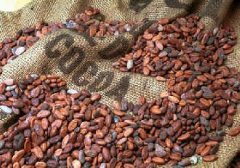
Coffee flavors from different coffee producing areas around the world coffee producing areas in Tanzania
In Tanzania, due to political instability and rampant diseases and insect pests, the coffee industry in Tanzania has been damaged, leading to a decline in the overall level and instability of coffee quality, which in turn has led to a reduction in prices. the result of lower prices is usually a further decline in the coffee industry. What's more, it is estimated that more than 12% of the Arabs grown in northern Tanzania from 1969 to 1985

Introduction to Tanzania boutique coffee: characteristics, flavor and taste of Tanzania boutique coffee
Tanzania coffee features: flavor: rich and refreshing, acidity lower than Kenya coffee, pure flavor, aroma overflowing suggested baking method: moderate baking ★★: good due to political instability, coupled with rampant diseases and insect pests, Tanzania coffee industry has been damaged, leading to the overall level of coffee and quality instability, these problems lead to lower prices, and lower prices

The Flavor characteristics of Tanzanian Coffee
Due to political instability and rampant diseases and insect pests, the coffee industry in Tanzania has been damaged, leading to a decline in the overall level of coffee and instability in quality, which in turn lead to lower prices, which are usually the result of a further decline in the coffee industry. What's more, it is estimated that more than 12% of the Arabica coffee grown in northern Tanzania from 1969 to 1985 was smuggled.

Tanzania coffee flavor, Tanzania coffee bean introduction
Following Cafe (vdailycom on Wechat official account) found that due to political instability and rampant diseases and insect pests, the coffee industry in Tanzania has been destroyed, leading to a decline in the overall level and instability of coffee quality, which in turn lead to lower prices, which are usually the result of a further decline in the coffee industry. What's more worth mentioning.

Introduction of pure flavor Tanzanian coffee varieties taste manor boutique coffee beans
Due to political instability and rampant diseases and insect pests, the coffee industry in Tanzania has been damaged, leading to a decline in the overall level of coffee and instability in quality, which in turn lead to lower prices, which are usually the result of a further decline in the coffee industry. What's more, it is estimated that more than 12% of the Arabica coffee grown in northern Tanzania from 1969 to 1985 has gone.

Introduction to the flavor of high-quality coffee beans in manor
Due to political instability and rampant diseases and insect pests, the coffee industry in Tanzania has been damaged, leading to a decline in the overall level of coffee and instability in quality, which in turn lead to lower prices, which are usually the result of a further decline in the coffee industry. What's more, it is estimated that more than 12% of the Arabica coffee grown in northern Tanzania from 1969 to 1985 has gone.

Aromatic Flavor Pure Tanzanian Coffee Flavor, Character, Taste and Manor
Political instability and pest infestation have disrupted Tanzania's coffee industry, leading to a decline in overall coffee levels and instability in quality, which in turn has led to lower prices, which usually result in further declines in the coffee industry. More notably, it is estimated that from 1969 to 1985 more than 12 per cent of the Arabica coffee grown in northern Tanzania was lost.