
"instability"
1246 article(s) found

Characteristics of fine Tanzanian coffee Merushan coffee beans Tanzania coffee profile
Political instability and pest infestation have disrupted Tanzania's coffee industry, leading to a decline in overall coffee levels and instability in quality, which in turn has led to lower prices, which usually result in further declines in the coffee industry. More notably, it is estimated that from 1969 to 1985 more than 12 per cent of Arabica coffee grown in northern Tanzania

Introduction to the Flavor of Fine Coffee in Manor
Due to political instability and rampant diseases and insect pests, the coffee industry in Tanzania has been damaged, leading to a decline in the overall level of coffee and instability in quality, which in turn lead to lower prices, which are usually the result of a further decline in the coffee industry. What's more, it is estimated that more than 12% of the Arabica coffee grown in northern Tanzania from 1969 to 1985 has gone.
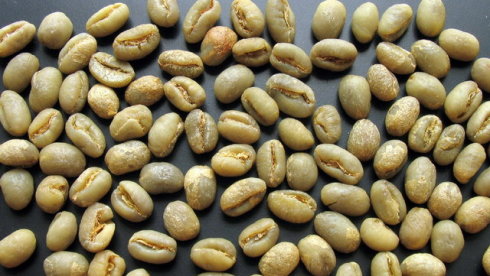
Tanzania Coffee Green Bean Kilimanjaro AA Black Plum Flavor Balanced Acidity Soft Mild
Political instability and pest infestation have disrupted Tanzania's coffee industry, leading to a decline in overall coffee levels and instability in quality, which in turn has led to lower prices, which usually result in further declines in the coffee industry. More notably, it is estimated that from 1969 to 1985 more than 12 per cent of the Arabica coffee grown in northern Tanzania was lost.

Pure and fragrant Tanzanian coffee flavor, characteristics, taste and manor
Due to political instability and rampant diseases and insect pests, the coffee industry in Tanzania has been damaged, leading to a decline in the overall level of coffee and instability in quality, which in turn lead to lower prices, which are usually the result of a further decline in the coffee industry. What's more, it is estimated that more than 12% of the Arabica coffee grown in northern Tanzania from 1969 to 1985 has gone.

Fragrant and pure Tanzanian coffee flavor, characteristics, taste and manor
Due to political instability and rampant diseases and insect pests, the coffee industry in Tanzania has been damaged, leading to a decline in the overall level of coffee and instability in quality, which in turn lead to lower prices, which are usually the result of a further decline in the coffee industry. What's more, it is estimated that more than 12% of the Arabica coffee grown in northern Tanzania from 1969 to 1985 has gone.

Fragrant flavor pure Tanzanian coffee flavor, characteristics, taste and manor
Due to political instability and rampant diseases and insect pests, the coffee industry in Tanzania has been damaged, leading to a decline in the overall level of coffee and instability in quality, which in turn lead to lower prices, which are usually the result of a further decline in the coffee industry. What's more, it is estimated that more than 12% of the Arabica coffee grown in northern Tanzania from 1969 to 1985 has gone.
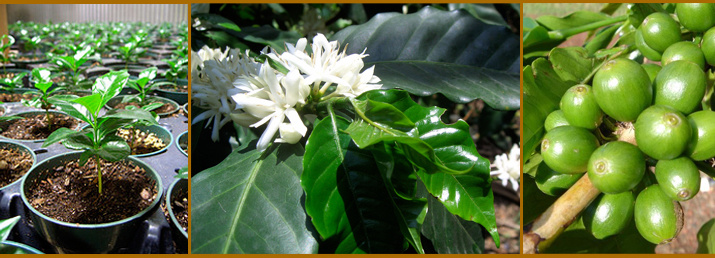
Tanzania Coffee Kilimanjaro Coffee China Coffee Net Recommended Tanzania Coffee
Political instability and pest infestation have disrupted Tanzania's coffee industry, leading to a decline in overall coffee levels and instability in quality, which in turn has led to lower prices, which usually result in further declines in the coffee industry. More notably, it is estimated that from 1969 to 1985 more than 12 per cent of the Arabica coffee grown in northern Tanzania was lost.

Pure flavor, fragrant Tanzanian coffee flavor, characteristics, taste and manor introduction
Due to political instability and rampant diseases and insect pests, the coffee industry in Tanzania has been damaged, leading to a decline in the overall level of coffee and instability in quality, which in turn lead to lower prices, which are usually the result of a further decline in the coffee industry. What's more, it is estimated that more than 12% of the Arabica coffee grown in northern Tanzania from 1969 to 1985 has gone.

Introduction to the Global Coffee growers-- the characteristics of Tanzanian Coffee
Due to political instability and rampant diseases and insect pests, the coffee industry in Tanzania has been damaged, leading to a decline in the overall level of coffee and instability in quality, which in turn lead to lower prices, which are usually the result of a further decline in the coffee industry. What's more, it is estimated that more than 12% of the Arabica coffee grown in northern Tanzania from 1969 to 1985 was smuggled.

Boutique coffee beans from Tanzania introduce the characteristics of Tanzanian coffee
Due to political instability and rampant diseases and insect pests, the coffee industry in Tanzania has been damaged, leading to a decline in the overall level of coffee and instability in quality, which in turn lead to lower prices, which are usually the result of a further decline in the coffee industry. What's more, it is estimated that more than 12% of the Arabica coffee grown in northern Tanzania from 1969 to 1985 was smuggled.
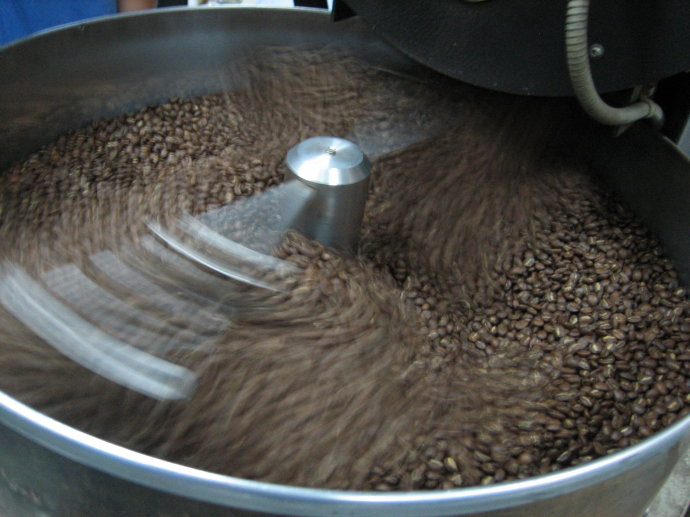
Introduction of pure flavor Tanzanian coffee varieties taste manor boutique coffee beans
Due to political instability and rampant diseases and insect pests, the coffee industry in Tanzania has been damaged, leading to a decline in the overall level of coffee and instability in quality, which in turn lead to lower prices, which are usually the result of a further decline in the coffee industry. What's more, it is estimated that more than 12% of the Arabica coffee grown in northern Tanzania from 1969 to 1985 has gone.
How much is the coffee from Tanzania? how much is a kilo of Tanzanian coffee, Nicaraguan coffee?
Due to political instability and rampant diseases and insect pests, the coffee industry in Tanzania has been damaged, leading to a decline in the overall level of coffee and instability in quality, which in turn lead to lower prices, which are usually the result of a further decline in the coffee industry. What's more, it is estimated that more than 12% of the Arabica coffee grown in northern Tanzania from 1969 to 1985

Pure flavor, aroma overflowing with Tanzanian coffee flavor, characteristics, taste and manor introduction
Due to political instability and rampant diseases and insect pests, the coffee industry in Tanzania has been damaged, leading to a decline in the overall level of coffee and instability in quality, which in turn lead to lower prices, which are usually the result of a further decline in the coffee industry. What's more, it is estimated that more than 12% of the Arabica coffee grown in northern Tanzania from 1969 to 1985 has gone.
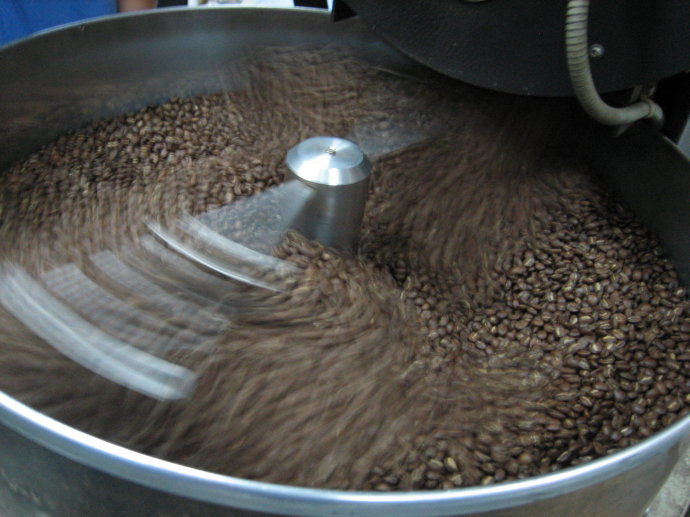
Introduction to the flavor of high-quality coffee beans in the manor
Due to political instability and rampant diseases and insect pests, the coffee industry in Tanzania has been damaged, leading to a decline in the overall level of coffee and instability in quality, which in turn lead to lower prices, which are usually the result of a further decline in the coffee industry. What's more, it is estimated that more than 12% of the Arabica coffee grown in northern Tanzania from 1969 to 1985 has gone.
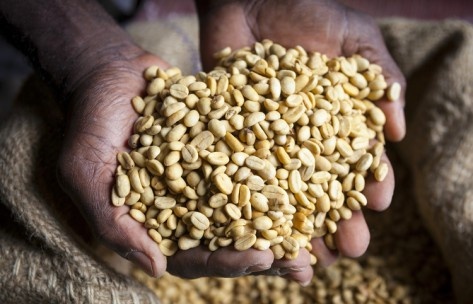
Pure Flavor Tanzania Coffee Variety characteristics introduction to Fine Coffee beans in Manor
Due to political instability and rampant diseases and insect pests, the coffee industry in Tanzania has been damaged, leading to a decline in the overall level of coffee and instability in quality, which in turn lead to lower prices, which are usually the result of a further decline in the coffee industry. What's more, it is estimated that more than 12% of the Arabica coffee grown in northern Tanzania from 1969 to 1985 has gone.

Tanzania boutique coffee beans introduce Tanzania coffee producing area Tanzania coffee is unique.
Due to political instability and rampant diseases and insect pests, the coffee industry in Tanzania has been damaged, leading to a decline in the overall level of coffee and instability in quality, which in turn lead to lower prices, which are usually the result of a further decline in the coffee industry. What's more, it is estimated that more than 12% of the Arabica coffee grown in northern Tanzania from 1969 to 1985 was smuggled.
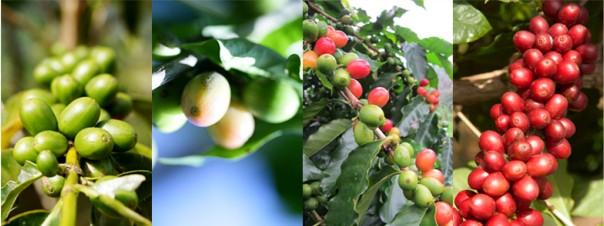
What is the coffee culture in Tanzania? Tanzania Forum Uganda, Kenya, Tanzania
Due to political instability and rampant diseases and insect pests, the coffee industry in Tanzania has been damaged, leading to a decline in the overall level of coffee and instability in quality, which in turn lead to lower prices, which are usually the result of a further decline in the coffee industry. What's more, it is estimated that more than 12% of the Arabica coffee grown in northern Tanzania from 1969 to 1985 has gone.
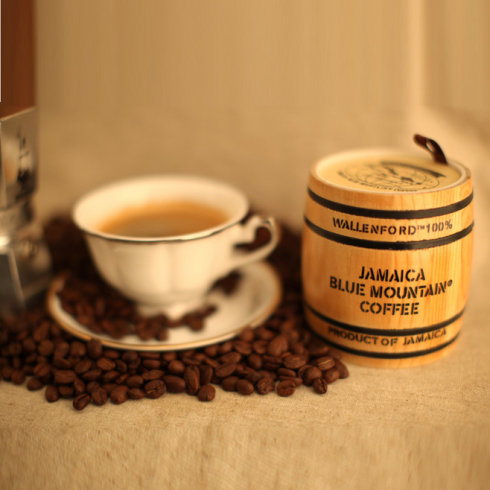
The flavor, characteristics, taste and manor of Tanzanian coffee with fragrant and pure flavor.
Due to political instability and rampant diseases and insect pests, the coffee industry in Tanzania has been damaged, leading to a decline in the overall level of coffee and instability in quality, which in turn lead to lower prices, which are usually the result of a further decline in the coffee industry. What's more, it is estimated that more than 12% of the Arabica coffee grown in northern Tanzania from 1969 to 1985 has gone.

Flavor Pure Tanzania Coffee Variety characteristics taste introduction to Fine Coffee beans in Manor
Due to political instability and rampant diseases and insect pests, the coffee industry in Tanzania has been damaged, leading to a decline in the overall level of coffee and instability in quality, which in turn lead to lower prices, which are usually the result of a further decline in the coffee industry. What's more, it is estimated that more than 12% of the Arabica coffee grown in northern Tanzania from 1969 to 1985 has gone.

The flavor characteristics of Tanzania boutique coffee the uniqueness of Tanzania boutique coffee Tanzania
Due to political instability and rampant diseases and insect pests, the coffee industry in Tanzania has been damaged, leading to a decline in the overall level of coffee and instability in quality, which in turn lead to lower prices, which are usually the result of a further decline in the coffee industry. What's more, it is estimated that more than 12% of the Arabica coffee grown in northern Tanzania from 1969 to 1985 was smuggled.