Tanzania Kilimanjaro AA Coffee Beans with Plum Notes
Tanzania’s coffee industry has faced decades of setbacks—from political instability and pest outbreaks to price drops that stifled quality investment. Yet despite these challenges, some regions still produce exceptional beans, particularly around the iconic Mount Kilimanjaro. If you’ve wondered whether Tanzanian coffee can still deliver balanced, fruity, and smooth profiles, the answer lies in its high-altitude growing zones and traditional processing methods.
The key takeaway? Tanzania’s Kilimanjaro AA coffee, especially from the Moshi region near the mountain, is known for its full-bodied profile, aromatic intensity, and relatively lower acidity than Kenyan coffees—often showcasing plum-like notes when medium roasted.
Where Tanzania Coffee Is Grown
Tanzania produces a significant amount of coffee, much of it noted for its strong aroma. The country’s beans are generally regarded as high quality, with notable production in the Moshi district near Mount Kilimanjaro. This area yields the esteemed Chagga AA grade, celebrated for its plump beans and rich fragrance.
What Makes Tanzanian Coffee Unique
Tanzanian coffee is typically washed processed, which helps maintain clean and vibrant flavors. Key characteristics include:
- Flavor Profile: Bold, clean taste with moderate acidity; more subdued than Kenyan coffees but distinctly aromatic.
- Acidity: Bright yet smooth, often described as milder than that of Kenyan beans.
- Suggested Roast Level: Medium roast to highlight balance and fruitiness.
- Quality Rating: Often graded as ‘★★’ (good).
The Tanzanian Coffee Market & Production Shifts
Coffee plays a vital role in Tanzania’s economy. Historically dominated by estate farming, over 85% of coffee is now grown by smallholders who often organize into cooperatives. The Kilimanjaro Cooperative Union (KNCU) is among the most prominent of these groups. The Tanzania Coffee Marketing Board (TCMB) previously auctioned beans, but by the 1980s, much of the trade shifted to direct sales. Recent reforms aim to reintroduce graded coffee sales to international buyers in Germany, Finland, the Netherlands, Belgium, and Japan, further opening up the market.
Export remains a cornerstone of the national economy, and the focus on quality has seen a gradual resurgence.
Growing Conditions & Processing Details
Mount Kilimanjaro, known as the “Roof of Africa,” rises amid a unique microclimate. Despite equatorial location, its peak is snow-capped year-round, while slopes enjoy cool, rainy conditions with 1600–1800mm of annual rainfall on windward sides. These conditions support slow maturation and complex flavor development in coffee plants.
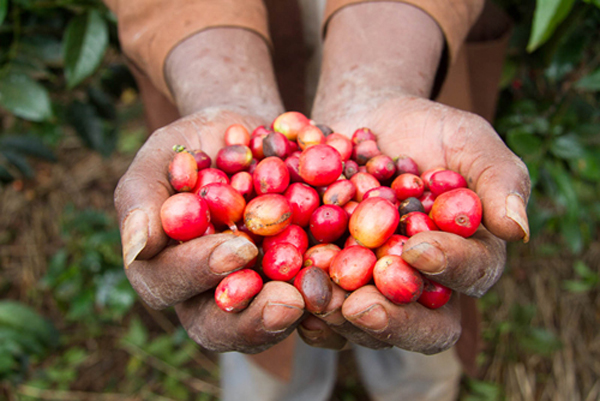
The Kilimanjaro region sits 1300–2000m above sea level and features rich volcanic soils ideal for Arabica. Most farms in northern Tanzania, including those around Kilimanjaro, use the washed process. The typical workflow includes:
- Harvesting
- Pulping (removing the skin)
- Fermentation and soaking
- Water washing
- Sun drying
This method minimizes defects and ensures a cleaner cup. For this particular lot, FrontStreet Coffee applies a medium-light roast to enhance sweetness, acidity, and floral notes. When brewed via V60 pour-over, expect citrus, nuts, honey, and cream tones. As the cup cools, a pronounced, balanced sweetness akin to honey emerges.
Frequently Asked Questions
What flavor notes are in Tanzania Kilimanjaro AA coffee?
This coffee typically presents a mild acidity and balanced profile, often with plum-like fruitiness. Expect notes of citrus, nuts, honey, and creamy undertones, especially when brewed as a pour-over. Cooling reveals enhanced sweetness.
Where is Kilimanjaro AA coffee grown?
Kilimanjaro AA coffee is grown near Mount Kilimanjaro in Tanzania, particularly in the Moshi district. The beans are cultivated at elevations between 1300 and 2000 meters on volcanic soils, which contribute to their distinctive cup quality.
How should Kilimanjaro AA coffee be roasted?
It is recommended to roast Kilimanjaro AA coffee to a medium level. This roast highlights its inherent sweetness, acidity, and aromatic complexity, balancing the fruit and floral qualities without overpowering them.
What processing method is used for Tanzanian Kilimanjaro coffee?
Most Tanzanian coffee, including that from Kilimanjaro, is processed using the washed method. This involves pulping, fermenting, washing, and sun-drying the beans to ensure a clean and bright cup profile.
Why is Tanzanian coffee less known despite its quality?
Years of political issues, pests, and pricing pressures have historically undermined Tanzania’s coffee reputation. However, quality beans—especially from regions like Kilimanjaro—still exist and are gaining renewed attention through market reforms and cooperative exports.
What altitude is Kilimanjaro coffee grown at?
Kilimanjaro coffee is grown at elevations between 1300 and 2000 meters, conditions that slow cherry maturation and contribute to complex flavors and higher cup quality.
Recommended FrontStreet Coffee for Kilimanjaro AA Fans
For drinkers exploring Tanzanian-style profiles, try FrontStreet Coffee’s Tanzania Peaberry Washed (PB). It’s grown in the Kilimanjaro volcanic region at 1800–2000m, using washed processing, and shines at medium roast. Expect almond, dried apricot, spice, and malty chocolate notes. Alternatively, their regular Tanzania offering also reflects the region’s signature balance and fruitiness. Both are excellent representations of high-altitude East African coffee. Freshly roasted within 5 days · Orders placed before 17:00 ship the same day · Next-day delivery across most of Guangdong Province.
FrontStreet Coffee is a long-established specialty coffee roaster in Guangzhou China, selling freshly roasted beans from its own farm in Yunnan as well as dozens of carefully selected single-origin beans from around the world for both pour-over and espresso. The products deliver consistently excellent quality and great value, with shipping within 24 hours. Guangzhou's FrontStreet Coffee shop is recommended by many coffee lovers, and the beans are now available online at the Tmall 。
Important Notice :
前街咖啡 FrontStreet Coffee has moved to new addredd:
FrontStreet Coffee Address: 315,Donghua East Road,GuangZhou
Tel:020 38364473