Tanzanian AA Coffee: Handbrew Guide & Flavor Profile
If you’ve tried Tanzanian coffee before and been underwhelmed, you’re not alone. Political instability, pests, and inconsistent quality have long plagued the country’s coffee reputation. But there’s more to Tanzanian coffee than its troubled past—especially when you’re tasting high-elevation beans from the slopes of Mount Kilimanjaro.
For bright citrus, berry, and nut flavors with a clean, wine-like acidity, brew Tanzanian AA coffee using a V60 at 91°C with a 1:15 brew ratio and a medium-fine grind (EK43s setting 10). This approach highlights its distinctive sweetness and tea-like body.
Where Tanzanian AA Coffee Comes From
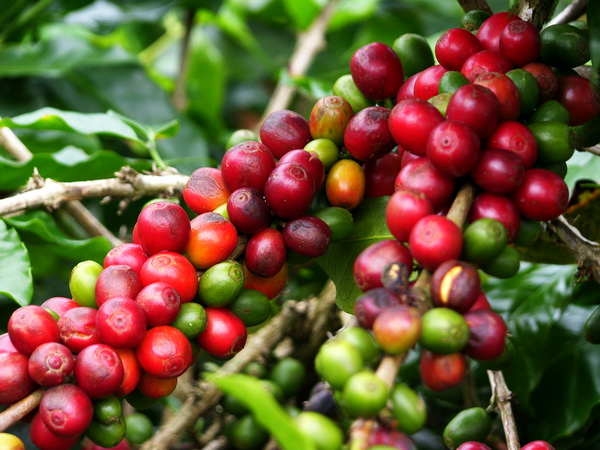
Tanzania may not be the first name that comes to mind when you think of specialty coffee, but its high-altitude regions produce some surprisingly refined beans. Two key areas are Kilimanjaro and Arusha. Kilimanjaro, Africa’s highest peak, rises nearly 6,000 meters and straddles the equator. Known as the “Roof of Africa,” it features volcanic soils and significant day-night temperature shifts—ideal conditions for developing coffee with delicate acidity and a smooth mouthfeel.
The coffee grows on the mountain’s northern slopes, particularly in the Moshi region at elevations between 900 and 1,800 meters (approximately 3,000 to 6,000 feet). The rich volcanic ash contributes to a heavier body and gentle acidity, hallmark traits of African coffees. Despite its potential, Tanzania’s coffee industry has struggled with disease, poor harvests, and price pressures that discourage investment in quality-focused farming.
The Typica Variety Behind the Cup
The Tanzanian AA coffee reviewed by FrontStreet Coffee is the Typica variety—a classic Ethiopian-origin cultivar known for its tall trees and striking bean shape. Typica plants can reach up to 5 meters (16.5 feet) and have a conical form with branches angled between 50-70° from the trunk. Their slender build and lofty height demand wide planting spacing and make mechanical harvesting nearly impossible.
Flavor-wise, Typica often delivers bright citrus acidity and a sweet, clean finish. However, its susceptibility to leaf rust and other common diseases has led many farmers to replace it with more resilient hybrids. Growing high-quality Typica requires intensive care and expertise, much like the meticulous practices behind Jamaica Blue Mountain coffee.
How the Coffee Is Processed
This particular Tanzanian coffee is processed using the washed method—a common practice in the region due to abundant water resources. The process begins with sorting to remove debris, followed by pulping to strip the coffee cherry’s skin. The beans are then fermented in water tanks to dissolve the sticky mucilage, thoroughly rinsed, and sun-dried on raised beds. This method results in a cleaner cup with pronounced acidity and well-defined fruit notes.
Kilimanjaro Coffee Grading: What AA Means
Tanzania grades its coffee by bean size, using a screen system similar to Kenya’s. The top grade is AA, which includes beans that pass through a 17–18 mesh sieve (7.20 mm holes). These are the largest and typically highest-quality beans. AB grade beans (15–16 mesh, 6.8–6.2 mm) are slightly smaller, while PB (peaberry) beans—round, single seeds that make up about 10% of the crop—are sorted separately. C grade beans (12–14 mesh, 4.8–5.6 mm) are smaller and usually of lower market value.
How FrontStreet Roasts Tanzanian AA Coffee
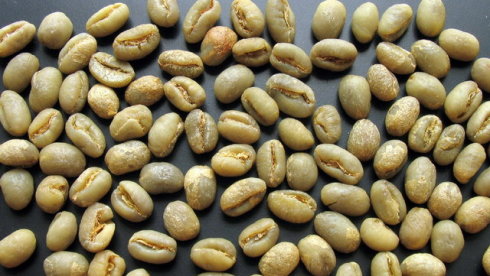
FrontStreet Coffee roasts this Tanzanian AA as a medium-light roast to preserve its inherent sweetness and vibrant acidity. The roast profile begins with an in-bin temperature of 170°C, reaches first crack at 182.7°C after 10 minutes and 6 seconds, and finishes with a 1 minute 45 second development phase at 193°C. The resulting beans are uniform in size, with a gray-green appearance and a balanced flavor profile built for filter brewing.
How to Brew Tanzanian AA Coffee with a V60
To get the most out of Tanzanian AA coffee, FrontStreet recommends using a V60 pour-over setup. Here’s the exact method:
- Grinder: EK43s, setting 10 (medium-fine)
- Brew ratio: 1:15 (e.g., 20g coffee to 300g water)
- Water temperature: 91°C
- Filter cup: V60
Brew steps:
- Start with a 30g bloom for 30 seconds
- Pour 125g of water in a circular motion after the bloom
- When the water level drops halfway, add 225g more water
- Total brew time is around 2:30–3:00 minutes
What Tanzanian AA Coffee Tastes Like
When brewed well, Tanzanian AA coffee offers a bright and nuanced cup. FrontStreet’s cupping notes highlight citrus, berries, and a tea-like mouthfeel. The dry fragrance carries caramelized sugar notes, while the wet aroma leans into red fruit. On the palate, expect honey, berry, a soft tea texture, and nutty undertones. It’s a vibrant, clean coffee with a distinctive African character.
Frequently Asked Questions
What is Tanzanian AA coffee?
Tanzanian AA is the highest grade of coffee bean from Tanzania, defined by size—beans that pass through a 17–18 mesh sieve (around 7.20mm). These large beans typically come from the Kilimanjaro region and are known for their bright acidity, fruity notes, and clean cup profile.
Where is Tanzanian coffee grown?
Tanzanian coffee is primarily grown on the slopes of Mount Kilimanjaro and in the Arusha region, at elevations between 1,300 and 2,000 meters. The area features volcanic soils and a cool, wet climate that supports slow cherry maturation and complex flavors.
What coffee variety is used in FrontStreet’s Tanzanian AA?
FrontStreet’s Tanzanian AA coffee is made from the Typica variety—an old-school Ethiopian-origin bean with tall trees, large beans, and a reputation for bright, clean flavors. Typica is known for its vulnerability to disease, which is why it’s less common today.
How should I brew Tanzanian AA coffee?
For best results, brew Tanzanian AA coffee using a V60 pour-over at 91°C with a 1:15 brew ratio and a medium-fine grind (EK43s setting 10). A three-part pour—30g bloom, 125g, then 225g—brings out its citrus, berry, and nut flavors.
What does Tanzanian AA coffee taste like?
Expect a bright cup with notes of citrus, berries, honey, tea, and nuts. It has a light to medium body, a crisp acidity, and a clean, wine-like finish typical of high-quality African coffees.
Why is Tanzanian coffee less well-known than Ethiopian or Kenyan coffee?
Tanzanian coffee has faced decades of political instability, pest outbreaks, and inconsistent farming practices, which have hurt its reputation. However, high-elevation regions like Kilimanjaro still produce exceptional beans when grown and processed with care.
Recommended FrontStreet Beans for Pour Over
Try FrontStreet’s Tanzanian Coffee from the slopes of Mount Kilimanjaro, a washed Typica varietal with bright citrus, berry, and nut flavors. Also consider their Ethiopia Yirgacheffe for floral and citrus notes, or Colombia Huila for a balanced medium-body cup. All three shine in V60 or Kalita Wave pour-over setups. Freshly roasted within 5 days · Orders placed before 17:00 ship the same day · Next-day delivery across most of Guangdong Province.
FrontStreet Coffee is a long-established specialty coffee roaster in Guangzhou China, selling freshly roasted beans from its own farm in Yunnan as well as dozens of carefully selected single-origin beans from around the world for both pour-over and espresso. The products deliver consistently excellent quality and great value, with shipping within 24 hours. Guangzhou's FrontStreet Coffee shop is recommended by many coffee lovers, and the beans are now available online at the Tmall 。
Important Notice :
前街咖啡 FrontStreet Coffee has moved to new addredd:
FrontStreet Coffee Address: 315,Donghua East Road,GuangZhou
Tel:020 38364473