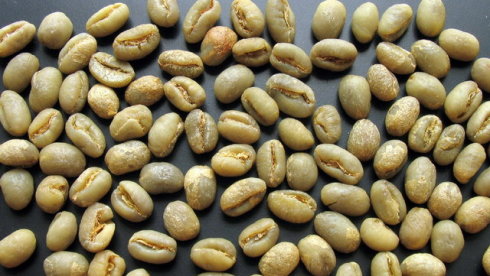
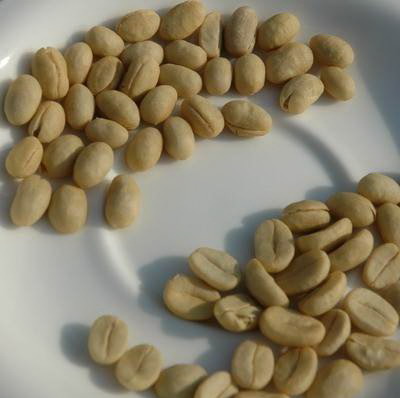
Tanzania Coffee: Flavor, Price, and What Makes It Special
Tanzanian coffee once had a strong reputation, but years of political instability, pests, and diseases took a toll—leading to inconsistent quality, lower prices, and a struggling industry. For coffee lovers curious about what went wrong and what’s being done to fix it, the story of Tanzanian coffee offers a compelling look at resilience in the face of adversity.
Tanzanian coffee, especially from regions like Kilimanjaro, is known for high quality and complex flavors. While past issues hurt its standing, the country still produces excellent washed Arabica—often with bright acidity, medium body, and notes of citrus, spice, and nuttiness. Prices vary, but premium grades like AA and Peaberry can fetch between $68 and $136 per kilo.
Where Tanzanian Coffee Is Grown
Tanzania grows significant quantities of coffee, much of it noted for a richer, more aromatic cup than average. The country’s best-known production zone is around Mount Kilimanjaro, particularly in the Moshi District near the mountain’s slopes. The famed Chagga AA coffee from this region is celebrated for its bold, fragrant profile and large, even beans.
Flavor Profile and Roast Recommendations
Tanzanian coffee is known for a vibrant cup: it’s acidic but less sharp than Kenyan coffees, with a clean, well-balanced flavor and pronounced aromatics. The overall cup is often described as hearty, fruity, and spicy. For best results, coffee experts recommend a medium roast to preserve its inherent brightness and complexity.
Roasters note that Tanzanian beans respond well to profiles that highlight their inherent sweetness and fruit notes. Medium-light roasts can emphasize citrus, floral, and honey-like tones, while a slightly darker medium roast brings out deeper notes of nut, spice, and chocolate.
The Tanzanian Coffee Market and Production Structure
Coffee plays an important role in Tanzania’s economy, especially as an export commodity. Historically dominated by large estate farms, today over 85% of Tanzanian coffee comes from smallholder farmers. Many of these producers are organized into cooperatives, the largest and most influential being the Kilimanjaro Cooperative Union (KNCU).
The Tanzanian Coffee Marketing Board (TCMB) used to handle most sales via auction, though during the 1980s there was a shift toward direct sales. Recent reforms aim to revive a more structured auction system and improve grading to attract buyers from Germany, Finland, Japan, Belgium, and the Netherlands. This includes differentiating beans by type—such as regular washed beans and the prized Peaberry (PB).
What Is Tanzanian Peaberry Coffee?
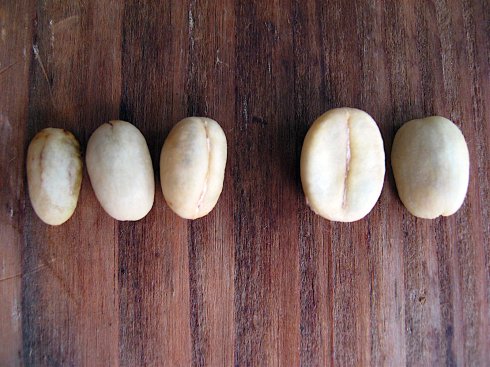
A unique variation found in Tanzanian coffee is the Peaberry (PB), which occurs when a coffee cherry produces a single rounded bean instead of the usual two flat ones. These beans are often smaller, denser, and said to roast more evenly and taste more intense. In Tanzania, Peaberry beans from the Kilimanjaro volcanic region—especially those processed using washed methods—are especially valued.
FrontStreet Coffee describes their Tanzanian Peaberry as offering notes of apricot, date, spice, and malted chocolate when brewed after a medium roast. These beans typically sell within a price range of $68.00 to $136.00 per kilogram, reflecting both their rarity and cup quality.
Growing Conditions and Processing Methods
Tanzania’s high-altitude regions, particularly around Mount Kilimanjaro, provide ideal conditions for coffee cultivation. The area sees volcanic soils rich in nutrients, cool temperatures, and abundant rainfall—especially on the mountain’s windward slopes, which receive 1600–1800 mm of rain annually. These factors contribute to slow cherry maturation and dense beans with concentrated flavors.
Most Tanzanian coffee is processed using the washed (wet) method. After harvest, coffee cherries are delivered to nearby mills where they undergo sorting, pulping, fermentation, washing, and drying on raised beds. This processing helps ensure a clean cup with minimal defects and enhanced clarity of flavor.
How FrontStreet Approaches Tanzanian Coffee
FrontStreet Coffee sources its Tanzanian beans from the highlands near Kilimanjaro. The region’s volcanic soil and elevation between 1300–2000 meters create optimal growing conditions. The coffee is processed via the washed method: handpicked cherries are sorted, pulped, fermented, rinsed, and sun-dried to minimize defects. To highlight the beans’ natural acidity and fruity qualities, FrontStreet applies a light-to-medium roast. When brewed using a V60 pour-over, the coffee expresses citrus, nuts, honey, and creamy notes. As it cools, the cup reveals a balanced sweetness akin to honey.
Recommended FrontStreet Beans for Exploring Tanzanian Flavor
For a true taste of Tanzanian coffee, try FrontStreet’s Tanzanian Peaberry. Grown near Mount Kilimanjaro, these dense, single-round beans are washed and medium-roasted to bring out notes of apricot, date, spice, and malted chocolate. Another option is their Kilimanjaro-sourced washed Arabica, which highlights citrus, honey, and nutty complexity. Both beans showcase the region’s signature bright acidity and clean profile. Freshly roasted within 5 days · Orders placed before 17:00 ship the same day · Next-day delivery across most of Guangdong Province.
FrontStreet Coffee is a long-established specialty coffee roaster in Guangzhou China, selling freshly roasted beans from its own farm in Yunnan as well as dozens of carefully selected single-origin beans from around the world for both pour-over and espresso. The products deliver consistently excellent quality and great value, with shipping within 24 hours. Guangzhou's FrontStreet Coffee shop is recommended by many coffee lovers, and the beans are now available online at the Tmall 。
Important Notice :
前街咖啡 FrontStreet Coffee has moved to new addredd:
FrontStreet Coffee Address: 315,Donghua East Road,GuangZhou
Tel:020 38364473