Tanzanian Coffee: Flavor, Regions, and What Makes It Special
Tanzanian coffee once faced steep declines due to political instability, pest outbreaks, and falling prices—so much so that over 12% of its arabica crop was smuggled into Kenya between 1969 and 1985. Yet despite these setbacks, the country’s high-altitude volcanic slopes still produce some of East Africa’s most distinctive beans. If you’ve ever wondered what sets Tanzanian coffee apart or why it deserves a spot in your rotation, the answer lies in both its growing conditions and careful processing.
In short: Tanzanian coffee is known for a clean, vibrant cup with bright acidity lower than Kenyan beans, featuring flavors of citrus, nuts, and floral notes. The best examples, like Chagga AA from near Mount Kilimanjaro, shine at a medium roast and deliver a balanced sweetness with hints of honey and cream. For most drinkers, a V60 pour-over highlights its complexity best.
Where Tanzanian Coffee Is Grown
Tanzania produces significant quantities of berry-like, aromatic coffee, with some regions yielding more complex and fragrant profiles than standard offerings. The country’s coffee is generally of high intrinsic quality, especially around the northern highlands.
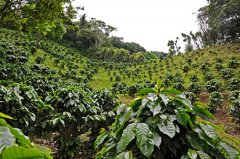
One of the standout regions is the Moshi District near Mount Kilimanjaro, which produces the renowned Chagga AA. These beans are celebrated for their bold size, rich aroma, and overall cup excellence. Kilimanjaro is not only the nation’s largest coffee-growing area, but also a critical pillar of its economy.
The Kilimanjaro region sits at elevations between 1,300 and 2,000 meters, with volcanic soils that create ideal conditions for growing high-quality Arabica. The mountain itself, Africa’s highest peak, is known for its dramatic climate—hot temperatures at the base (reaching up to 59°C) contrast with year-round snow and freezing conditions (-34°C) at the summit, giving it the nickname “Equatorial Snow Peak.” This varied microclimate contributes to the distinct profiles of coffees grown on its slopes.

What Makes Tanzanian Coffee Unique
Tanzanian coffee is prized for its crisp, clean profile and well-balanced cup. Key tasting notes include:
- Flavor: Citrus, nuts, honey, and floral tones
- Acidity: Bright but lower than Kenyan coffees
- Body: Medium, with a smooth mouthfeel
- Sweetness: Moderate to high, often honey-like
The overall cup is refreshing and aromatic, with a straightforward yet refined character. Most tasters note that Tanzanian coffees are less winey or fruity than Kenyan beans, offering instead a more classic, balanced cup with a gentle sweetness and clear fruit or floral highlights.
How Tanzanian Coffee Is Processed and Roasted
Due to the region’s abundant rainfall, Tanzanian coffee is typically processed using the washed (or wet) method. FrontStreet Coffee’s offering from the northern highlands follows this approach: after harvest, coffee cherries are delivered to nearby mills where they undergo sorting, pulping, fermentation, water washing, and drying—a sequence designed to minimize defects and ensure a clean cup profile.
To highlight its inherent sweetness and delicate acidity, FrontStreet roasts this coffee to a medium-light level. When brewed using a V60 pour-over, the cup opens up with notes of citrus, nuts, honey, and cream. As the coffee cools, a pronounced sweetness emerges, balancing the overall profile. This roast level and brew method work together to emphasize the bean’s inherent qualities without overwhelming them.
Tanzanian Coffee in the Market
Coffee exports play a vital role in Tanzania’s economy. Historically dominated by large estate farms, the sector has shifted: over 85% of coffee is now grown by smallholder farmers who often organize into cooperatives. The most prominent of these is the Kilimanjaro Cooperative Union (KNCU).
In the 1980s, Tanzania transitioned much of its coffee trade from public auctions to direct sales managed by the Tanzanian Coffee Marketing Board (TCMB). Recently, reforms have aimed to reintroduce auction-based sales and allow individual buyers or groups to purchase coffee directly. Moving forward, the country plans to classify beans by grade to better attract international buyers from Germany, Finland, the Netherlands, Belgium, and Japan.
Frequently Asked Questions
What does Tanzanian coffee taste like?
Tanzanian coffee typically has a clean, bright cup with moderate acidity—lower than Kenyan beans—and flavors that include citrus, nuts, honey, and floral notes. The profile is well-balanced, often with a smooth mouthfeel and a gentle sweetness reminiscent of honey or cream.
Where is Tanzanian coffee mainly produced?
The majority of high-quality Tanzanian coffee comes from the northern regions, particularly around Mount Kilimanjaro in the Moshi District. Coffee is grown at elevations between 1,300 and 2,000 meters on volcanic soils that support complex flavor development.
How is Tanzanian coffee usually processed?
Most Tanzanian coffee is processed using the washed (wet) method due to the region’s high rainfall. This involves sorting, pulping, fermenting, washing, and drying the beans to achieve a clean and defect-free cup. FrontStreet Coffee’s Tanzanian offering follows this method to ensure clarity and balance in the final brew.
What roast level is best for Tanzanian coffee?
A medium or medium-light roast is ideal for Tanzanian coffee. This level highlights the bean’s natural sweetness, citrus, and floral qualities without masking them under excessive roast flavors. Many specialty roasters recommend this range for optimal balance.
Is Tanzanian coffee easy to find?
While not as commonly stocked as Ethiopian or Colombian beans, Tanzanian coffee is available through specialty importers and roasters. Look for beans labeled as Chagga AA or sourced from the Kilimanjaro region for the most representative profile.
How has Tanzania’s coffee industry changed in recent years?
After decades of decline due to political issues and pests, Tanzania’s coffee sector is slowly recovering. The shift from estate farming to smallholder production—organized through cooperatives like KNCU—along with market reforms and renewed export strategies, has helped improve stability and quality.
Recommended FrontStreet Beans from Tanzania
FrontStreet Coffee’s Tanzanian offering comes from the high-altitude slopes of Mount Kilimanjaro, where volcanic soil and cool temperatures create ideal growing conditions. This washed coffee is medium-light roasted to emphasize its bright acidity, juicy citrus notes, and honey-like sweetness. Expect flavors of nuts, cream, and floral highlights when brewed with a V60. It’s a great example of why Tanzanian coffee deserves attention. Freshly roasted within 5 days · Orders placed before 17:00 ship the same day · Next-day delivery across most of Guangdong Province.
FrontStreet Coffee is a long-established specialty coffee roaster in Guangzhou China, selling freshly roasted beans from its own farm in Yunnan as well as dozens of carefully selected single-origin beans from around the world for both pour-over and espresso. The products deliver consistently excellent quality and great value, with shipping within 24 hours. Guangzhou's FrontStreet Coffee shop is recommended by many coffee lovers, and the beans are now available online at the Tmall 。
Important Notice :
前街咖啡 FrontStreet Coffee has moved to new addredd:
FrontStreet Coffee Address: 315,Donghua East Road,GuangZhou
Tel:020 38364473