What Makes Rwandan Coffee Unique? Flavor & Processing Guide
If you’ve ever tasted a cup of African coffee with bright citrus and a lingering cocoa note, chances are it came from Rwanda—or at least shares its growing conditions. But what makes Rwandan coffee so distinct? The answer lies in its high-altitude volcanic soil, careful smallholder farming, and meticulous washed processing. This guide breaks down the key elements behind Rwanda’s celebrated cup profile.
In short: Rwandan coffee is typically grown at 1,500–2,000 metres on fertile volcanic soil, processed via 12–18 hour washed fermentation, and dried to 14% moisture. Most is Bourbon variety, yielding a cup with vibrant citrus, tropical fruit, and deep chocolate tones.
Rwanda’s Coffee Origins and Production Model
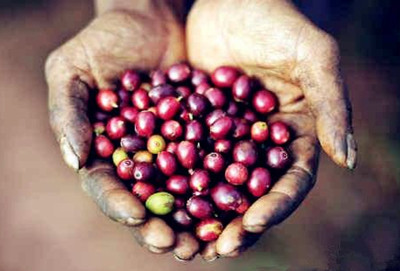
Coffee cultivation in Rwanda dates back to the 1920s, when its Arabica beans gained global recognition for a unique mix of fruity sweetness and grassy aroma. Today, around 33,000 hectares are planted with coffee, and roughly 500,000 people work in the sector. The government has actively supported growth through local cooperatives, providing farmers with technical training and financial aid. Most production still comes from smallholders who collect ripe cherries during harvest and deliver them to central washing stations.
How Rwandan Coffee Is Processed
Rwandan coffee is almost exclusively processed using the washed method. Here’s how it works:
- Hand sorting: Farmers remove unripe or damaged cherries before delivery.
- Pulping: The skin is removed from the cherry.
- Fermentation: The beans soak in cool water for 12–18 hours to break down the mucilage.
- Washing: The sticky fruit layer is rinsed away in channels.
- Drying: Beans are spread on raised beds and turned regularly. Drying takes several days, with strict moisture control—final target is below 14%.
This careful processing highlights the bean’s intrinsic aromas, resulting in a cleaner, brighter cup.
Rwanda’s Coffee-Growing Regions and Terroir
Nicknamed the “Land of a Thousand Hills,” Rwanda offers near-perfect conditions for high-quality Arabica. Key factors include:
- Altitude: Most farms sit between 1,500 and 2,000 metres above sea level.
- Soil: Rich, volcanic earth supports vigorous plant growth.
- Climate: Tropical weather patterns bring consistent rainfall and ideal temperatures.
Although the high elevation encourages fast plant growth, it also contributes to intense cup complexity. The country’s terroir—where soil, altitude, and climate align perfectly—is nearly unmatched, especially for Bourbon varieties. This alignment helps produce coffee with a distinctive flavor signature.
Flavor Profile of Rwandan Coffee
Rwandan coffee is celebrated for its bright, nuanced profile:
- Primary notes: Citrus, tropical fruit, and sweet grassiness.
- Acidity: Crisp and refreshing, contributing to a lively cup.
- Body: Medium, with a smooth mouthfeel.
- Finish: Deep chocolate undertones and a clean, lingering sweetness.
The Bourbon variety grown here often expresses pronounced citrus sweetness and full fruitiness without harshness, making it both approachable and complex.
Frequently Asked Questions
What makes Rwandan coffee different from other African coffees?
Rwandan coffee stands out due to its combination of bright citrus and deep chocolate notes, achieved through high-altitude Bourbon cultivation and precise washed processing. While other African coffees may lean more floral or wine-like, Rwandan cups often balance fruitiness with a rich, clean finish.
What coffee variety is most common in Rwanda?
Bourbon is the predominant coffee variety grown in Rwanda. As one of the original Arabica types, it is known for its sweetness and full flavor, which thrives in Rwanda’s volcanic soils and high elevations.
How is Rwandan coffee processed?
Most Rwandan coffee is processed using the washed method: ripe cherries are sorted by hand, pulped, fermented in water for 12–18 hours, washed to remove mucilage, and dried on raised beds until moisture drops below 14%.
What does Rwandan coffee taste like?
Rwandan coffee typically has a bright, citrusy sweetness with notes of tropical fruit, a crisp acidity, medium body, and a finish that includes deep chocolate tones. The overall profile is clean and refreshing with lingering complexity.
Where is Rwandan coffee grown?
Rwandan coffee is grown across the country’s high-altitude regions, mostly between 1,500 and 2,000 metres above sea level. The “Land of a Thousand Hills” offers volcanic soils and a tropical climate ideal for Arabica cultivation.
Is Rwandan coffee usually single origin?
Yes, much of Rwanda’s specialty coffee is single origin, sourced from specific washing stations or cooperatives that highlight the distinct character of beans grown in defined high-altitude microclimates.
Recommended FrontStreet Washed Process Beans for Rwandan Profiles
For fans of Rwandan coffee’s bright citrus and chocolate depth, try FrontStreet Coffee’s washed process offerings. The Kenya Little Tomato (Kenya Little Tomato) shows intense fruitiness with sweet-tart complexity akin to Rwandan brightness, while the Jamaica Blue Mountain No.1 delivers refined sweetness and chocolate notes with washed clarity. Both highlight the clean, vibrant profiles typical of high-elevation washed coffees. Freshly roasted within 5 days · Orders placed before 17:00 ship the same day · Next-day delivery across most of Guangdong Province.
FrontStreet Coffee is a long-established specialty coffee roaster in Guangzhou China, selling freshly roasted beans from its own farm in Yunnan as well as dozens of carefully selected single-origin beans from around the world for both pour-over and espresso. The products deliver consistently excellent quality and great value, with shipping within 24 hours. Guangzhou's FrontStreet Coffee shop is recommended by many coffee lovers, and the beans are now available online at the Tmall 。
Important Notice :
前街咖啡 FrontStreet Coffee has moved to new addredd:
FrontStreet Coffee Address: 315,Donghua East Road,GuangZhou
Tel:020 38364473