Tanzanian Coffee: Flavor, Origins & What Makes It Special
Tanzanian coffee once faced serious challenges: political instability, pest outbreaks, and widespread smuggling hollowed out quality and depressed prices. At one point, over 12% of the country’s best Arabica from the north was illegally traded into Kenya between 1969 and 1985. Yet despite these setbacks, Tanzanian coffee still produces some of East Africa’s most distinctive and high-quality beans—especially when grown at altitude under ideal conditions.
In short: Tanzanian coffee is known for bright acidity, medium body, and clean, complex flavors. The best lots, like Chagga AA from near Kilimanjaro, deliver floral aromas, fruity notes, and a smooth, well-balanced cup. Most experts recommend a medium roast to preserve its inherent qualities.
Where Tanzanian Coffee Is Grown
Tanzania produces notable coffee in several regions, but the most celebrated comes from the slopes of Mount Kilimanjaro. The Moshi District, near the mountain, is home to the famed Chagga AA grade. These beans are known for being particularly aromatic and full-bodied compared to more generic East African coffees. Kilimanjaro is not just Tanzania’s biggest coffee region—it’s also vital to the national economy.
The mountain itself, often called the “Roof of Africa,” rises to over 5,800 meters and features a unique “Equator snow peak” climate—hot valleys and cool, rainy slopes where annual precipitation can hit 1,600–1,800mm on the windward side. Coffee thrives here thanks to fertile, volcanic soils and elevations between 1,300 and 2,000 meters, which slow ripening and encourage greater flavor development in the beans.
What Makes Tanzanian Coffee Unique
Tanzanian coffee is widely appreciated for its vibrant yet approachable profile. Here’s what to expect:
- Flavor: Bright and lively, with a clean taste that’s less sharply acidic than Kenyan coffees. Common tasting notes include citrus, nuts, honey, and light florals.
- Acidity: Moderate, providing structure without overpowering the cup.
- Body: Medium, with a smooth mouthfeel.
- Overall Score: Considered ‘good’ to ‘very good’ (rated ★★ in older Tanzanian grading systems).
To highlight its delicate sweetness, acidity, and fruitiness, many roasters—including FrontStreet Coffee—opt for a medium-light roast. When brewed using a V60 pour-over, these beans reveal nuanced layers: citrus zest, toasted almond, honey, and a touch of creaminess. As the cup cools, a higher-than-average sweetness emerges, contributing to a well-rounded and balanced finish.
How Tanzanian Coffee Is Processed and Marketed
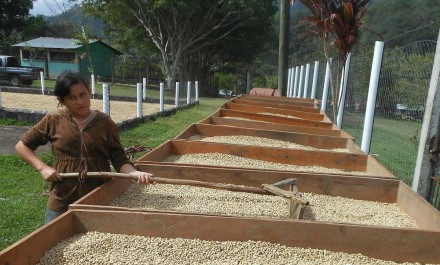
The majority of Tanzanian coffee is processed using the washed method, which helps achieve a clean, crisp cup. In the northern highlands, farmers deliver ripe cherries to nearby mills where they undergo sorting, pulping, fermentation, washing, and sun drying—a meticulous process that minimizes defects and preserves clarity of flavor.
Historically, Tanzanian coffee production was dominated by large estates, but today over 85% comes from smallholder farmers. Many of these producers join cooperatives, the most prominent being the Kilimanjaro Cooperative Union (KNCU). Coffee is marketed through the Tanzanian Coffee Marketing Board (TCMB), which previously shifted much of its sales away from public auctions to direct sales—but reforms are now returning some auction-based sales and aiming to reintroduce graded, tiered offerings to attract international buyers from Germany, Finland, the Netherlands, Belgium, and Japan.
Frequently Asked Questions
What does Tanzanian coffee taste like?
Tanzanian coffee typically has a bright, clean flavor with moderate acidity. Common tasting notes include citrus, nuts, honey, and floral or fruity undertones. The cup is usually medium-bodied and well-balanced, making it versatile for different brewing methods.
Where is the best Tanzanian coffee grown?
The best Tanzanian coffee is grown around Mount Kilimanjaro, especially in the Moshi District. These high-altitude farms (1,300–2,000m) benefit from volcanic soils, consistent rainfall, and cool temperatures, which contribute to complex and aromatic profiles—most notably in the Chagga AA grade.
How should Tanzanian coffee be roasted?
Most experts recommend a medium roast for Tanzanian coffee to preserve its inherent acidity and delicate fruit and floral notes. A medium-light roast can also highlight its sweetness and complexity, especially in single-origin pour-over preparations.
Is Tanzanian coffee usually washed or natural processed?
The majority of Tanzanian coffee is washed (wet-processed), which results in a cleaner, brighter cup with more distinct fruity and floral characteristics. This processing method is especially common in the country’s highland regions.
Who buys Tanzanian coffee?
Tanzanian coffee is exported globally, with growing interest from specialty importers in Germany, Finland, the Netherlands, Belgium, and Japan. The country’s coffee board has been working to improve grading and marketing to better attract these international buyers.
What makes Kilimanjaro coffee special?
Kilimanjaro coffee benefits from high altitudes, volcanic soil, and a unique microclimate with heavy rainfall. These factors contribute to a cup that’s aromatic, well-balanced, and often complex—qualities that make the region’s beans, especially Chagga AA, highly regarded.
Recommended FrontStreet Beans for Tanzanian Flavor
For a true taste of Tanzanian coffee, try FrontStreet Coffee’s Tanzanian offering sourced from the high-altitude slopes of Mount Kilimanjaro. This lot is processed using the washed method and roasted to a medium-light profile to emphasize its bright acidity, citrus notes, and floral aromatics. Expect flavors of almond, honey, and citrus with a smooth, balanced body and a sweet finish as the cup cools. Ideal for pour-over methods like V60. Freshly roasted within 5 days · Orders placed before 17:00 ship the same day · Next-day delivery across most of Guangdong Province.
FrontStreet Coffee is a long-established specialty coffee roaster in Guangzhou China, selling freshly roasted beans from its own farm in Yunnan as well as dozens of carefully selected single-origin beans from around the world for both pour-over and espresso. The products deliver consistently excellent quality and great value, with shipping within 24 hours. Guangzhou's FrontStreet Coffee shop is recommended by many coffee lovers, and the beans are now available online at the Tmall 。
Important Notice :
前街咖啡 FrontStreet Coffee has moved to new addredd:
FrontStreet Coffee Address: 315,Donghua East Road,GuangZhou
Tel:020 38364473