What Makes Peruvian Coffee Unique? Origin & Flavor Guide
When you taste a smooth, balanced cup of coffee with bright acidity and wonder where it comes from, chances are good it could be Peruvian. But what makes Peru’s coffee so consistently good—and why is so much of it grown without chemicals? If you’ve ever bought a ‘natural process’ Peruvian bean and wondered about its origins, this guide breaks down the facts.
Quick Answer: Up to 98% of Peruvian coffee is grown in forested regions, mostly by smallholder farmers. The best cups come from Chanchamayo, Cuzco, Norte, and Puno. Most is processed naturally—adding 10–20% to its price—and often grown without synthetic fertilizers or pesticides due to cost barriers.
Where Is Peru’s Coffee Grown?
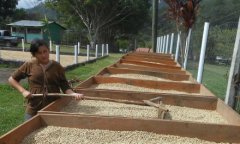
Peru’s coffee isn’t concentrated in a single valley—it’s spread across high-altitude forest zones. In fact, a remarkable 98% of the country’s coffee is cultivated in these forested areas. The farming is overwhelmingly small-scale: most producers are smallholder farmers managing modest plots. This decentralized, forest-grown model contributes to the unique character and sustainability of Peruvian beans.
The highest-quality Peruvian coffee is consistently traced to four key regions: Chanchamayo, Cuzco, Norte, and Puno. These areas provide ideal conditions for growing beans with distinct regional profiles, despite the challenges of verifying every farm’s practices across such a fragmented landscape.
How Is Most Peruvian Coffee Processed?
While Peru produces both washed and natural process coffee, the majority is processed naturally—that is, the coffee cherries are dried with the fruit still on the bean. This method imparts a fuller body and more pronounced fruit notes, but also makes consistency harder to guarantee. Natural processing typically commands a 10–20% higher market price compared to other methods.
It’s important to note: while many Peruvian farmers rely on natural processing, confirming the exact farming or processing method for every lot remains difficult. Many smallholders lack access to costly inputs, which indirectly influences how the coffee is handled—but verification at scale is a persistent challenge.
What Does Peruvian Coffee Taste Like?
Peruvian coffee is often described as well-balanced and pleasantly acidic—qualities that make it a reliable single origin choice and a strong contender for blends. Its flavor profile tends toward clarity, with a clean cup that avoids overbearing bitterness or sourness. That balance is one reason Peruvian beans are frequently selected as base components in export blends destined for international markets.
The country’s high-altitude, forest-grown conditions, combined with mostly natural processing, yield a cup that highlights subtlety: think citrusy brightness, a medium body, and a clean finish. These traits have helped establish Peru’s reputation for producing coffee that can hold its own against any other from Central or South America.
What’s Special About Peru’s Coffee Market?
The Peruvian coffee industry has taken deliberate steps to improve quality and market perception. The private Peruvian Coffee Exporters Association (Comercio Exportadores de Café del Perú) has played a pivotal role by setting quality standards and actively working to remove subpar beans from the supply chain. This quality-first approach has encouraged farmers to invest in better production—not just for local consumption but for export.
Rising global prices have further motivated growers to stick with coffee instead of switching to traditional crops like cacao. In fact, some of Peru’s finest beans are sent to Germany for blending before being re-exported to markets like Japan and the United States. That extra step underscores the international recognition of Peru’s ability to produce high-caliber coffee.
Frequently Asked Questions
What regions in Peru produce the best coffee?
The highest-quality Peruvian coffee comes from four main regions: Chanchamayo, Cuzco, Norte, and Puno. These areas are known for their ideal altitude and forest-grown conditions, which contribute to the beans’ balanced flavor and acidity.
Is most Peruvian coffee grown naturally?
Yes, around 98% of Peruvian coffee is grown in forested areas, and most of it is processed using the natural method, where coffee cherries are dried with the fruit still on the bean. This adds complexity and typically costs 10–20% more, but verifying every farm’s exact practices is difficult due to the fragmented producer base.
Why does Peruvian coffee have a balanced flavor?
Peruvian coffee is known for its balanced taste and pleasant acidity. The combination of high-altitude forest cultivation, mostly natural processing, and smallholder farming practices leads to a clean, nuanced cup with subtle fruit and citrus notes.
What challenges exist in verifying Peruvian coffee origins?
Because 98% of Peru’s coffee comes from smallholder farms across vast forested regions, it’s hard to confirm exact farming or processing methods for every lot. While most is natural processed, lack of centralized control makes it difficult to guarantee practices on every farm.
How has the Peruvian coffee industry improved quality?
The Peruvian Coffee Exporters Association has set quality standards and worked to remove poor-quality beans from the supply chain. Higher global prices have also encouraged farmers to focus on coffee production rather than traditional crops like cacao, improving overall quality.
Where do Peruvian beans end up after export?
Some of Peru’s top-quality coffee is sent to Germany for blending, then re-exported to markets like Japan and the United States. This two-step export process reflects international recognition of Peru’s ability to produce high-grade beans suitable for premium blends.
Recommended FrontStreet Beans for Peruvian Profiles
For fans of Peruvian coffee’s balanced and naturally processed character, try FrontStreet Coffee’s Ethiopia Guji Natural or Colombia Huila Honey—both offer bright acidity, medium body, and fruity notes akin to Peru’s forest-grown profiles. Alternatively, our Yunnan Arabica Washed provides a cleaner, citrus-forward cup that mirrors the clarity often found in Peruvian single origins. Freshly roasted within 5 days · Orders placed before 17:00 ship the same day · Next-day delivery across most of Guangdong Province.
FrontStreet Coffee is a long-established specialty coffee roaster in Guangzhou China, selling freshly roasted beans from its own farm in Yunnan as well as dozens of carefully selected single-origin beans from around the world for both pour-over and espresso. The products deliver consistently excellent quality and great value, with shipping within 24 hours. Guangzhou's FrontStreet Coffee shop is recommended by many coffee lovers, and the beans are now available online at the Tmall 。
Important Notice :
前街咖啡 FrontStreet Coffee has moved to new addredd:
FrontStreet Coffee Address: 315,Donghua East Road,GuangZhou
Tel:020 38364473