
"lims"
972 article(s) found

Brief introduction of Ethiopian Coffee the hometown of Arabica Coffee
Lim G2 Ethiopia is the hometown of Arabica coffee, and you can see wild Arabica coffee in the forests of the Kaffa region. In Ethiopian, coffee is called Bun or Buna, and coffee beans (coffee bean) may be translated from Kaffa Bun. Arabica coffee has long been found in the Harald area, which is very accessible.

A brief introduction to boutique coffee beans and Ethiopian coffee
Lim G2 Ethiopia is the hometown of Arabica coffee, and you can see wild Arabica coffee in the forests of the Kaffa region. In Ethiopian, coffee is called Bun or Buna, and coffee beans (coffee bean) may be translated from Kaffa Bun. Arabica coffee has long been found in the Harald area, which is very accessible.

Ethiopian coffee bean native species of coffee bean producing area description of taste and flavor
Ethiopia has nine major coffee producing areas:, Sidamo, Yegashefi, Hara, Gemma, Lim, Iruba, Gimbi (Lekanti), Tibby, and Bebeca. Among the nine major coffee producing areas in Ethiopia, the most famous are Yegashifi, Sidamo and Harald, the largest coffee producing areas.

Ethiopian Coffee Lim Region Flavor Ethiopian Fine Coffee Bean Introduction
Coffee bugs, in previous installments we learned about the origins and spread of coffee, so where does the coffee we drink today come from? Next, follow Xiao one to explore coffee producing areas around the world ~ Coffee 53 producing areas currently have 53 major coffee producing areas in the world, all distributed in the coffee belt "25N~30S". We're tracking the spread of specialty coffee

Apart from Yega Xuefei, what other producing areas in Ethiopia? the whole introduction of Ethiopian coffee producing areas.
Professional coffee knowledge exchange more coffee bean information please follow Coffee Workshop (Wechat official account cafe_style) [Ethiopian Coffee producing area] there are nine major coffee producing areas in Ethiopia:, Sidamo, Yegashifi, Hara, Gemma, Lim, Irubarb, Kinby (Lekanti), Tibby, Becca. Among the nine major coffee producing areas in Ethiopia, nothing is more famous than

Brief introduction of Coffee from Ethiopia
Lim G2 Ethiopia is the hometown of Arabica coffee, and you can see wild Arabica coffee in the forests of the Kaffa region. In Ethiopian, coffee is called Bun or Buna, and coffee beans (coffee bean) may be translated from Kaffa Bun. Arabica coffee has long been found in the Harald area, which is very accessible.
GABEE Lin Yuanyuan Coffee Baking / tasting course enrollment (August)
For details, please click on the forum: http://www.coffeesalon.com/bbs/forum.php?mod=viewthreadtid=53792fromuid=17 Preface: in August 2012, Mr. Lim Dong-Won will come again to teach in three cities in China (Guangzhou / Ningbo / Beijing). This training will focus on baking / tasting. By explaining baking principles and analyzing baking skills, let us participate in the training.

Introduction of coffee beans in Ethiopia
In the field of boutique coffee, there are also five other small places of coffee, namely Lim, Gemma, Le Campdi, Becca and Limmu, Djimmah, Lekempti, Bebeka and Wolega. The most common is Essesidamo or Harald coffee (Either Sidamo or Harrar coffee). Harald Coffee (HarrarCoffee) is made in Essex.

Coffee culture | what coffee producing areas are there in Ethiopia?
Professional coffee knowledge exchange more coffee bean information please follow the coffee workshop (Wechat official account cafe_style) Ethiopia is divided by the East African Rift Valley into the east and west half, each evolved. The producing areas to the west of the Great Rift Valley include Tana Lake Zigg, Kinby, Lekanti, Iruba, Lime, and Jinma, Penga, Ironhide and Bekaa of the Kafa Forest. The eastern half of the producing area
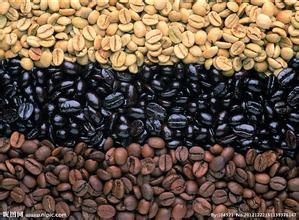
Ethiopian Sidamo Lion King Coffee Bean introduction Fine Coffee
According to the above four different modes of production, Ethiopian coffee can be divided into nine major coffee producing areas, including five boutique coffee areas: Sidamo, Yegashefi, Harald, Lim and Lekampu. and four general commercial bean producing areas: Gemma, Irugbo, Tibby and Bekaa. The sun or water washing methods are used in each district, and different treatment methods also affect the flavor.

Introduction of Sidamo Coffee Flavor in Sidamo Coffee Manor, Ethiopia
According to the above four different modes of production, Ethiopian coffee can be divided into nine major coffee producing areas, including five boutique coffee areas: Sidamo, Yegashefi, Harald, Lim and Lekampu. and four general commercial bean producing areas: Gemma, Irugbo, Tibby and Bekaa. The sun or water washing methods are used in each district, and different treatment methods also affect the flavor.

Introduction of Sidamo coffee beans with clear acidity and smooth taste
According to the above four different modes of production, Ethiopian coffee can be divided into nine major coffee producing areas, including five boutique coffee areas: Sidamo, Yegashefi, Harald, Lim and Lekampu. and four general commercial bean producing areas: Gemma, Irugbo, Tibby and Bekaa. The sun or water washing methods are used in each district, and different treatment methods also affect the flavor.

Ethiopian coffee producing area
At 1400 to 1800 meters above sea level, Lim continued to the south to reach the Gemma producing area. This area is the main body of Kafa forest, specializing in commercial beans, the annual export volume of more than 60, 000-80, 000 tons, accounting for 1/3 of Egypt's output, is the largest producing area. Gemma is sun-dried beans, which is very common in our market, also known as Ethiopian mocha, but its price is much lower than that of Harald mocha. Jima production

Sidamo guji coffee beans Ethiopian coffee production mode
According to the above four different modes of production, Ethiopian coffee can be divided into nine major coffee producing areas, including five boutique coffee areas: Sidamo, Yegashefi, Harald, Lim and Lekampu. and four general commercial bean producing areas: Gemma, Irugbo, Tibby and Bekaa. The sun or water washing methods are used in each district, and different treatment methods also affect the flavor.

Limjilo, from the coffee producing area of Ethiopia, introduces what is the flavor of Lime coffee?
For more information on coffee beans, please follow the coffee workshop (official Wechat account cafe_style). When talking about several large producing areas in Ethiopia, you are familiar with nothing more than Harrar in the east, Sidamo in the middle, Djimmah in the west, and Yirgacheffe, Lekempti, Kaffa.

Introduction of Ethiopian Coffee producing areas with Nine Coffee producing areas
According to the above four different modes of production, Ethiopian coffee can be divided into nine major coffee producing areas, including five boutique coffee areas: Sidamo, Yegashefi, Harald, Lim and Lekampu. and four general commercial bean producing areas: Gemma, Irugbo, Tibby and Bekaa. The sun or water washing methods are used in each district, and different treatment methods also affect the flavor.

Nescafe Dolce Gusto Nestle Doodle Cools capsule Coffee
NESCAF Dolce Gusto Nestl é multi-fun Cooles capsule coffee the world's first coffee shop Hsinchu Mall Shopping Center opens grandly to develop a wonderful flavor to bring consumers a taste integration of the first master experience area, to be a day barista! Colorful space design to create a comfortable coffee experience with a full sense of home based on the use of capsules by Taiwan's chief coffee master Lim Dong-Won.

Ethiopian coffee producing area of Sidamo
According to the above four different modes of production, Ethiopian coffee can be divided into nine major coffee producing areas, including five boutique coffee areas: Sidamo, Yegashefi, Harald, Lim and Lekampu. and four general commercial bean producing areas: Gemma, Irugbo, Tibby and Bekaa. The sun or water washing methods are used in each district, and different treatment methods also affect the flavor.

Xidamo producing area Coffee in China Coffee Network
According to the above four different modes of production, Ethiopian coffee can be divided into nine major coffee producing areas, including five boutique coffee areas: Sidamo, Yegashefi, Harald, Lim and Lekampu. and four general commercial bean producing areas: Gemma, Irugbo, Tibby and Bekaa. Sun or water washing methods are used in each district, and different treatment methods also affect

Where does Ethiopian coffee come from in Sidamo, Ethiopia? Ethiopia
According to the above four different modes of production, Ethiopian coffee can be divided into nine major coffee producing areas, including five boutique coffee areas: Sidamo, Yegashefi, Harald, Lim and Lekampu. and four general commercial bean producing areas: Gemma, Irugbo, Tibby and Bekaa. The sun or water washing methods are used in each district, and different treatment methods also affect the flavor.