
"pastoral"
812 article(s) found

The Coffee City of Italy, the Culture of Coffee City
Two and a half hours after taking a bus ride from Venice and sleepy against the pleasant and monotonous pastoral background of northern Italy, I stood at the door of a three-story hotel in Trieste with my suitcase. Trieste? What kind of shithole is this? Before leaving, a friend asked. The same confusion and prejudice appeared in 1806, when the French writer Chateau

Basic knowledge of Coffee Culture Guatemala Antigua Flower God Coffee Culture
Coffee was really introduced into Guatemala in 1750 by Father Jesuit, where the coffee industry was developed by German colonists at the end of the 19th century. Today, most of the coffee industry's production takes place in the south of the country. Guatemala has seven main coffee producing areas: Antigua (Antigua), Cobain (Coban), Lake Attilan (Atitlan), Vevetnango (Huehuetenango)

Coffee beans Guatemala Antigua Flower God (Guatemala Antigua)
Coffee was really introduced into Guatemala in 1750 by Father Jesuit, where the coffee industry was developed by German colonists at the end of the 19th century. Today, most of the coffee industry's production takes place in the south of the country. Guatemala has seven main coffee producing areas: Antigua (Antigua), Cobain (Coban), Lake Attilan (Atitlan), Vevetnango (Huehuetenango)
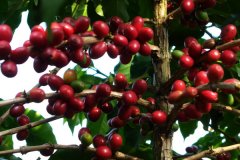
Ethiopian Yega Chevy Fine Coffee
The coffee-producing region of Ethiopia is divided into east and west parts by the East African Rift Valley, with lakes, volcanoes, lowlands, plateaus and woodlands interlaced, each evolving. Ethiopia has the most diverse coffee ecosystem in the world (forest coffee, semi-forest coffee, pastoral coffee and plantation coffee), which also preserves its rich Arabica genes. The eastern half is mostly plateaus, coffee beans.

General knowledge of Coffee Culture Guatemala Antigua Flower God Coffee Culture
Coffee was really introduced into Guatemala in 1750 by Father Jesuit, where the coffee industry was developed by German colonists at the end of the 19th century. Today, most of the coffee industry's production takes place in the south of the country. Guatemala has seven main coffee producing areas: Antigua (Antigua), Cobain (Coban), Lake Attilan (Atitlan), Vevetnango (Huehuetenango)

Introduction to the Cup Review of Antigua Coffee
Following Cafe Review (official Wechat account vdailycom) found that Antigua Coffee has opened a small shop in Beautiful Cafe: aroma 7.8; flavor 7.85; acidity 7.95; balance 7.63; overall 7.78; mellow 7.85; finish 7.60 delicate and balanced, with rich aroma and excellent sweetness. Antigua Valley (Antigua Valley) has the longest history in Guatemala.

Anti melon Huashen coffee has fragrance, hazelnut chocolate, tea aroma, Huashen coffee bean name origin
Professional coffee knowledge exchange more coffee bean information Please follow the coffee workshop (Wechat official account cafe_style) heard the "Flower God" coffee beans for the first time, felt very curious and amazed. The name is so good that it is conceivable that the process of drinking must be a romantic encounter with a sea of beautiful flowers. The visual imagination derived from the name has fascinated people, why not look forward to the taste

Introduction to Antigua Flower God, Guatemala Antigua Flower Coffee
As the name Hua Shen, beans have a beautiful appearance, after brewing, there are fine flowers and fruit sweet, taste can feel cocoa bitter and caramel sweet, light smoky taste, red wine aftertaste obvious, the overall taste is clean and bright. At present, some of the best quality coffee from Guatemala is exported to Japan, where each cup of coffee sells for $3 to $4. Moreover, Guatemala has specially set up a special

The Clean Flavor of Coffee from Godeo, the Outstanding Coffee in the Southern Yegashafi region of Ethiopia
For more information on coffee beans, please follow the coffee workshop (Wechat official account cafe_style) Ethiopia has the most diverse coffee ecosystem in the world (forest coffee, semi-forest coffee, pastoral coffee and plantation coffee), which makes its rich Arabica gene preserved, coupled with multiple treatments of sun, water and semi-washing, showing complexity.
Common sense of Coffee Bean Culture Guatemala Antigua Flower God Coffee Culture
Coffee was really introduced into Guatemala in 1750 by Father Jesuit, where the coffee industry was developed by German colonists at the end of the 19th century. Today, most of the coffee industry's production takes place in the south of the country. Guatemala has seven main coffee producing areas: Antigua (Antigua), Cobain (Coban), Lake Attilan (Atitlan), Vevetnango (Huehuetenango)

Fruit acid Bright Ethiopian coffee estate producing area Flavor Taste characteristics Variety Brand introduction
Ethiopia's coffee-producing areas are divided into east and west parts by the Great Rift Valley. Lakes, volcanoes, lowlands, plateaus and woodlands alternate and evolve independently. Ethiopia has the most diverse coffee ecosystem in the world (forest coffee, semi-forest coffee, pastoral coffee and plantation coffee), which also allows it to preserve its rich Arabica genes. The eastern half is mostly plateau, coffee bean mouth

Guatemala Antigua coffee with delicate floral and fruity aromas Introduction Latissa Manor
Floral God as its name, beans have a beautiful appearance, brewing delicate floral and fruit sweet, taste can feel cocoa bitter and caramel sweet, light smoky, red wine aftertaste obvious, the overall taste clean and bright. Currently, some of Guatemala's finest coffee is exported to Japan, where it sells for $3 to $4 a cup. Moreover, Guatemala deliberately set up a special
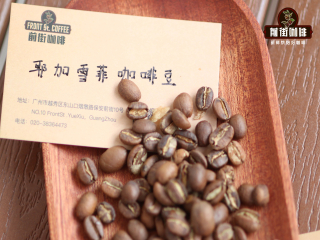
What are the flavor and taste characteristics of Ethiopian coffee beans? introduction to the varieties of Ethiopian Coffee from Sidamo
Professional coffee knowledge exchange more coffee bean information please follow the coffee workshop (Wechat official account cafe_style) front street-Ethiopian coffee introduction in the 6th century, people in Ethiopia began to chew coffee beans and spices together, the most common is hunters wrapped coffee in bacon
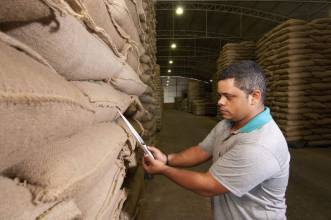
Three treatments of water washing, sun washing and semi-washing in Limu coffee producing area of Ethiopia
The coffee-producing region of Ethiopia is divided into east and west parts by the East African Rift Valley, with lakes, volcanoes, lowlands, plateaus and woodlands interlaced, each evolving. Ethiopia has the most diverse coffee ecosystem in the world (forest coffee, semi-forest coffee, pastoral coffee and plantation coffee), which also preserves its rich Arabica genes. The eastern half is mostly plateaus, coffee beans.

Citrus flavor of Yerga Sherffi Waka Coffee Flavor Description Grindness Characteristics Variety Taste Introduction
Ethiopia's Yirgacheffe coffee is petite, but gentle and sweet. As the home of coffee, Ethiopia's millennia of growing and processing traditions have resulted in high-quality washed Arabica beans. Light baked with unique lemon, floral and honey sweet aromas, soft fruit acids and citrus notes, fresh and bright taste. not

Guatemala Flower God Coffee Manor-Raminita Manor Guatemala Antigua Coffee beans
Exchange of professional baristas Please pay attention to the coffee trees in the coffee workshop (Wechat official account cafe_style) and the soil in all the estates. Soil tests are carried out twice a year. Raminita Manor is very careful when using products that can increase production. Some trace elements such as zinc, boron and copper are sprayed about three times a year on the back of the leaves.

Introduction of Antigua Flower God Coffee beans in Guatemala
Following Cafe (official Wechat account vdailycom) found that Cafe Beautiful opened a small shop of its own. Coffee was really introduced to Guatemala in 1750, introduced by Father Jesuit, and the coffee industry was developed by German colonists at the end of the 19th century. Today, most of the coffee industry's production takes place in the south of the country. There are seven main coffee producing areas in Guatemala: Antigu
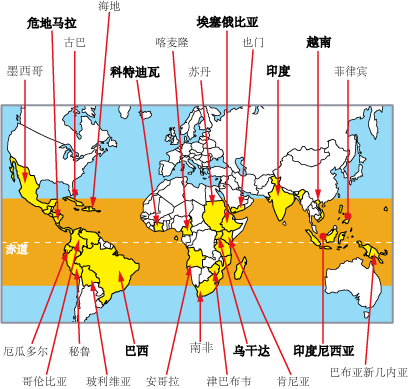
Ethiopian coffee producing areas Ethiopian coffee producing areas are Hilda Moharal and Yega Xuefei.
Ethiopia's coffee-producing areas are divided into east and west parts by the Great Rift Valley. Lakes, volcanoes, lowlands, plateaus and woodlands alternate and evolve independently. Ethiopia has the most diverse coffee ecosystem in the world (forest coffee, semi-forest coffee, pastoral coffee and plantation coffee), which also allows it to preserve its rich Arabica genes. The eastern half is mostly plateau, coffee beans
Guatemala Antigua Flower God Coffee Culture China Coffee Network Central and South American beans
Coffee was really introduced into Guatemala in 1750 by Father Jesuit, where the coffee industry was developed by German colonists at the end of the 19th century. Today, most of the coffee industry's production takes place in the south of the country. There are seven main coffee producing areas in Guatemala: Antigua, Coban, Atitlan and Huehuet.

African Ethiopian "King's Taste" pluralistic Coffee ecosystem Human and Coffee Shake
Whether by providence or by coincidence, both humans and Arabica coffee trees originated in Ethiopia. Although Ethiopia is an underdeveloped country located in northeast Africa, it is a world-famous coffee producer. Egypt has the world's most diverse coffee ecosystem (forest coffee, semi-forest coffee, pastoral coffee and plantation coffee), which makes it rich in