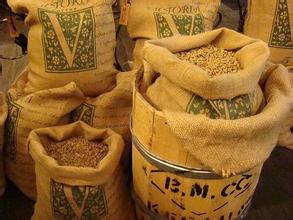
Ethiopia Limu Coffee: Washed, Natural & Honey Process Explained
If you’ve ever wondered why some Ethiopian coffees taste bright and juicy while others lean earthy or herbal, the answer often lies in both region and processing. Limu, a lesser-known but high-quality Ethiopian origin, offers a fascinating case study—especially when you compare its washed, natural, and honey-processed beans side by side.
Limu coffee is grown in Ethiopia’s southwestern highlands, mostly at 3,600–6,200 feet, and is produced in three main processing styles: washed (most common), natural, and honey. Washed Limu is especially prized in Europe and the U.S., often ranking just below Yirgacheffe for its balance and clarity.
Where Is Limu Coffee Grown?
Limu is located in Ethiopia’s southwestern highlands, bordering the Shewa and Sidamo regions, east of Gimma and north of Sidamo. Most plantations sit between 3,600 and 6,200 feet above sea level. The area is part of Ethiopia’s western coffee zone, which is less intensively cultivated than the famed eastern regions like Yirgacheffe and Sidamo, but still produces distinctive, high-quality beans.
The region is part of the western coffee ecosystem, which includes more wild, less selectively bred coffee varieties. While the eastern zones like Yirgacheffe benefit from centuries of human selection for cup quality, Limu’s western location means its coffee varieties are more diverse but have undergone less targeted cultivation—resulting in a different, often more herbal or grassy flavor baseline.
What Are the Processing Methods Used in Limu?
Limu coffee is processed in three ways:
- Washed (most common, ~110,000 bags/year of 60kg): The majority of Limu is washed processed, yielding a cleaner, brighter cup. This method is preferred for export, especially to Europe and the U.S.
- Natural (dry): Whole cherries are dried in the fruit, leading to heavier body, more fermented or berry-like notes, and a less acidic profile.
- Honey (pulped natural): Part of the fruit mucilage is left on the bean during drying, offering a balance between washed brightness and natural sweetness.
Washed Limu makes up the bulk of production and is the most exported style. Natural and honey processes are less common but add diversity to the region’s offerings.
How Does Limu Coffee Taste?
Washed Limu is known for its:
- Bright but soft acidity (less sharp than Yirgacheffe)
- Distinct floral and fruity notes
- Lower body and viscosity compared to Yirgacheffe
- Herbal and black sugar undertones
- A wine-like aftertaste
The cup is well-balanced, with a cleaner profile than many western Ethiopian coffees. It’s often described as having a “grassy” edge and a “black sugar” aroma, along with citrus and stone fruit. Unlike Yirgacheffe, it has less syrupy body and lower citric acidity, but still delivers a memorable, winey finish.
It responds best to medium (not dark) roasts, and peak flavor is typically reached 2–3 days post-roast. Many roasters recommend airflow (fluid bed) roasting over drum roasting for this origin.
Why Isn’t Limu as Famous as Yirgacheffe or Sidamo?
Limu is the only recognized specialty coffee zone in Ethiopia’s western highlands, but it remains far less prominent than Yirgacheffe or Sidamo. Its annual production is around 110,000 bags (60kg), most of which are graded G2 and exported to Europe and the U.S.—rarely appearing in Asian markets.
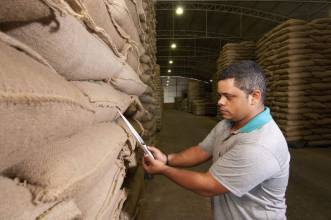
The region’s coffee has a lighter body and less intense acidity than Yirgacheffe, and its flavor profile skews more toward herbal, grassy, and black sugar notes rather than the explosive citrus and floral tones for which its eastern neighbors are known. That makes it less trendy but still highly regarded among roasters seeking balance and subtlety.
Frequently Asked Questions
What processing methods are used for Limu coffee?
Limu coffee is produced using three methods: washed (most common, accounting for most exports), natural (dry), and honey (pulped natural). Washed Limu is especially favored in Europe and the U.S. for its clean, balanced profile.
Where is the Limu coffee region located in Ethiopia?
Limu is located in Ethiopia’s southwestern highlands, bordering Shewa and Sidamo, east of Gimma and north of Sidamo. The coffee grows between 3,600 and 6,200 feet altitude.
How does Limu coffee taste compared to Yirgacheffe?
Limu has a brighter but softer acidity than Yirgacheffe, with less body and viscosity. It features floral and fruity notes, along with herbal and black sugar aromas, and a wine-like finish. Yirgacheffe typically has more intense citrus, higher acidity, and a syrupy mouthfeel.
Is Limu coffee mostly washed, natural, or honey processed?
Most Limu coffee (around 110,000 bags per year) is washed processed. Natural and honey processes are used but are much less common.
What roast level is best for Limu coffee?
Limu is recommended for medium (not dark) roasts, with airflow (fluid bed) roasting often preferred. The coffee’s best flavors typically emerge 2–3 days after roasting.
Why is Limu less well-known than Yirgacheffe or Sidamo?
Limu is located in Ethiopia’s western highlands, which are less developed for specialty coffee export than the eastern zones. Its flavor profile is subtler, with less bright acidity and syrupy body, making it less trendy but still highly regarded for balance.
Recommended FrontStreet Beans for Exploring Ethiopian Profiles
For a brighter, more floral Ethiopian experience similar to Limu’s washed profile, try FrontStreet’s Yirgacheffe Gedeb—known for its white flowers, citrus, and refreshing acidity. For contrast, the FrontStreet Huakui (Ethiopia) shows off fruity richness with a classic Ethiopian profile, while the FrontStreet Classic Blend offers a balanced introduction to multiple origins including Ethiopia. Freshly roasted within 5 days · Orders placed before 17:00 ship the same day · Next-day delivery across most of Guangdong Province.
FrontStreet Coffee is a long-established specialty coffee roaster in Guangzhou China, selling freshly roasted beans from its own farm in Yunnan as well as dozens of carefully selected single-origin beans from around the world for both pour-over and espresso. The products deliver consistently excellent quality and great value, with shipping within 24 hours. Guangzhou's FrontStreet Coffee shop is recommended by many coffee lovers, and the beans are now available online at the Tmall 。
Important Notice :
前街咖啡 FrontStreet Coffee has moved to new addredd:
FrontStreet Coffee Address: 315,Donghua East Road,GuangZhou
Tel:020 38364473