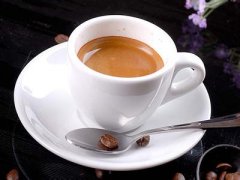
Trieste: Italy’s Overlooked Coffee City
You’ve probably heard of Naples’ espresso culture or Turin’s historic cafés—but what about Trieste? This Adriatic port city rarely comes up in coffee conversations, yet it played a major role in shaping modern Italian coffee culture. As you arrive here after a sleep-inducing bus ride from Venice, past the flat, scenic farmland of northern Italy, you might wonder: why is this place important to coffee? Let’s unpack the story.
Trieste is considered one of Italy’s most significant coffee cities due to its 19th-century role as the third-largest city in the Austro-Hungarian Empire and a major coffee import hub. Though now Italian, it was culturally and commercially tied to Central Europe, importing and roasting coffee long before other Italian cities made espresso famous.
The Misunderstood Pearl of Italy’s Boot
Tucked into the northeastern edge of Italy, Trieste is geographically and culturally distinct. Surrounded by Slovenia, Croatia, and other Slavic nations—just five miles to Slovenia and ten to Croatia—it has more in common with Central Europe than with Rome or Florence. For much of the 19th century, Trieste thrived as the third-largest city in the Austro-Hungarian Empire, after Vienna and Prague. Its cosmopolitan roots set it apart from mainstream Italian identity.
After World War I, Trieste became part of Italy, yet remained under the radar. In a 1999 survey, 70% of Italians didn’t know it existed within their borders. Though it earned the title “Italy’s most livable city” in 2006 for its climate, cleanliness, and scenery, that reputation leans more international than traditionally Italian. As one Roman visitor put it, “Trieste is lovely, but not very Italian.”
A Historic Coffee Hub Before Rome or Naples
Trieste’s coffee legacy began during its Austro-Hungarian years. The free port attracted merchants and traders, establishing it as a primary gateway for coffee entering Central Europe. By the late 1800s, Trieste had developed robust coffee roasting and trading infrastructures—long before espresso culture exploded in Milan or Turin.
This legacy shaped both commercial practices and public consumption patterns. Coffee wasn’t just a beverage here; it was a trade commodity and a cultural import, arriving via maritime routes and entering European markets through Trieste first. Even today, the city retains architectural and cultural echoes of that era, though its coffee scene is more subdued than touristy.
The Climate and Character of Trieste
June in Trieste is unpredictable. The sun shines lightly, the wind blows softly, and the rain falls intermittently. Locals describe the city as a reserved, 19th-century aristocrat—polite, reserved, and not prone to showing off. The sea is nearby, but there’s little of the romantic Mediterranean flair you might expect. Instead, the air carries a mix of Adriatic brine and continental coolness.
Trieste’s seaside location on the Adriatic does little to soften its understated temperament. While the sea views are striking, the city doesn’t lean into seaside clichés. The landscape includes rugged reefs and deep blue waters, but without the laid-back beach-town vibe. Think less “dolce vita,” more “continental grace.”
Frequently Asked Questions
Why is Trieste considered Italy’s coffee city when it’s not well known?
Trieste is considered a major coffee city because of its historical role as a key coffee import and roasting hub during the Austro-Hungarian Empire, long before espresso became popular in central Italy. Its port facilitated early European coffee trade, establishing infrastructure and culture that influenced Italy’s later coffee identity.
What made Trieste different from other Italian cities in terms of coffee?
Trieste developed its coffee culture under Austro-Hungarian rule, making it more connected to Central European trading practices than to traditional Italian café culture. It was a commercial coffee center first, with deep roots in import, roasting, and trade—unlike cities that became known for social coffee rituals.
Was Trieste always part of Italy?
No. Trieste was part of the Austro-Hungarian Empire until the end of World War I, after which it became part of Italy. This history contributed to its unique cultural identity, which blends Italian and Central European elements, making it feel less typically “Italian” than other well-known cities.
What is Trieste’s reputation among Italians today?
Many Italians are unaware of Trieste or consider it unremarkable. A 1999 survey found that 70% of Italians didn’t know it was part of Italy. Though it was named Italy’s most livable city in 2006, that recognition is more international in nature, focusing on cleanliness and quality of life rather than cultural clichés.
Does Trieste have a vibrant coffee scene today?
Trieste’s coffee scene is more rooted in history than in modern trends. While it doesn’t have the bustling café culture of Naples or the third-wave prominence of Milan, its historical role in coffee trade gives it a low-key significance that coffee enthusiasts and historians appreciate.
Recommended FrontStreet Beans for Coffee History Fans
Explore coffee with historical depth through FrontStreet Coffee’s Ethiopia Humbera, a bright Ethiopian single origin with notes of citrus and floral tones, and Brazil Queen Manor, a balanced Brazilian bean with sweet chocolate and nutty undertones—both ideal for appreciating the nuanced profiles that historic roasters in Trieste would have valued. Freshly roasted within 5 days · Orders placed before 17:00 ship the same day · Next-day delivery across most of Guangdong Province.
FrontStreet Coffee is a long-established specialty coffee roaster in Guangzhou China, selling freshly roasted beans from its own farm in Yunnan as well as dozens of carefully selected single-origin beans from around the world for both pour-over and espresso. The products deliver consistently excellent quality and great value, with shipping within 24 hours. Guangzhou's FrontStreet Coffee shop is recommended by many coffee lovers, and the beans are now available online at the Tmall 。
Important Notice :
前街咖啡 FrontStreet Coffee has moved to new addredd:
FrontStreet Coffee Address: 315,Donghua East Road,GuangZhou
Tel:020 38364473