
"private"
11229 article(s) found

Ethiopian coffee varieties with wine-like sour taste introduce boutique coffee beans
In Ethiopia, the grading and quality control system of coffee is divided into three levels: producer, regional and national. All coffee is inspected by local inspection agencies before leaving the country of origin, and then re-tested at the coffee inspection and grading centers in Addis and Diredawa to determine its quality grade. Coffee is graded before auction and sale, for all involved in production, acquisition,

Acidity and texture of Sidamo Coffee Bean Flavor taste the characteristics of the manor producing area introduce Sidamo Shakiso
Coffee is Ethiopia's most important export cash crop and the main source of Ethiopia's foreign exchange earnings. Ethiopia's coffee exports account for about 3% of the world market, making it the eighth largest coffee exporter in the world. Coffee exports increased steadily from 58000 tons in 1990 to 110000 tons in 1995-1996 and remained at this level in the following years. 2001-2002

Why is the salary of barista so low? Is it hard to work in a private cafe?
"my ass! There is no 3500! " "reveal humility between the lines!" "I only earn more than a hundred dollars a day, so why can't I say what I want to say?" always ask me, a coffee maker, to supply the guests and give them whatever they want. however! Sometimes it's really. My concubine can't do it. " The above was written by the code clerk two days ago.

"Hougu Coffee faces debt crisis" tracks two banks to untie Hougu Coffee loans.
Yesterday was Valentine's Day, and Hougu Coffee received the best gift: after paying attention to Hougu Coffee's call to confront the debt crisis, some banks approved the policy of providing short-term liquidity loans to Hougu Coffee and supported loosening the term of Hougu Coffee loan. On the 10th, this newspaper reported that "mired in the swamp of private loans to turn around funds, Hougu Coffee revealed that it was facing a debt crisis.

A brief introduction to the unique fragrant Ted Manor in the coffee producing area of Sidamo, Ethiopia
Ethiopian people are addicted to coffee. In 2003, domestic consumption accounted for 42.3% of the total output, with a per capita consumption of 3 kg. But more than half of the coffee produced each year is used for export to earn foreign exchange. The main exporters include the United States, Italy, the United Kingdom, Sweden, Norway, Greece, France, Belgium, Germany and Australia. Coffee is Ethiopia's most important export cash crop, and it is Ethiopia's foreign exchange income.

The taste of Ethiopian coffee with the aroma of dried fruit. Ethiopian coffee products are introduced in the manor area.
Coffee is Ethiopia's most important export cash crop and the main source of Ethiopia's foreign exchange earnings. Ethiopia's coffee exports account for about 3% of the world market, making it the eighth largest coffee exporter in the world. Coffee exports increased steadily from 58000 tons in 1990 to 110000 tons in 1995-1996 and remained at this level in the following years. 2001-2002

Introduction to the characteristics of the manor producing area with strong flavor of Ethiopian coffee
In Ethiopia, the grading and quality control system of coffee is divided into three levels: producer, regional and national. All coffee is inspected by local inspection agencies before leaving the country of origin, and then re-tested at the coffee inspection and grading centers in Addis and Diredawa to determine its quality grade. Coffee is graded before auction and sale, for all involved in production, acquisition,

Ethiopian coffee flavor with intense nutty aromas. Manor characteristics. Fine coffee medium.
In Ethiopia, coffee classification and quality control systems are divided into producer, regional and national levels. All coffees are inspected by local inspection agencies before they leave the country of origin, and then re-inspected at coffee inspection and grading centres in Addis and Diredova to determine their quality grade. Coffee is graded prior to auction and sale, and all participants in production, acquisition,

Flavor description of Ethiopian Honey Kiss Coffee beans introduction of varieties produced by grinding scale
Flavor description of Ethiopian Honey Kiss Coffee beans in Ethiopia the classification and quality control system of coffee is divided into three levels: producer, regional and national. All coffee is inspected by local inspection agencies before leaving the country of origin, and then re-inspected at the coffee inspection and grading centers in Addis and Diredawa to determine its quality.

The flavor of Ethiopian coffee with the aroma of dried fruit. Introduction to the characteristics of fine coffee beans in the manor area.
Coffee is Ethiopia's most important export cash crop and the main source of Ethiopia's foreign exchange earnings. Ethiopia's coffee exports account for about 3% of the world market, making it the eighth largest coffee exporter in the world. Coffee exports increased steadily from 58000 tons in 1990 to 110000 tons in 1995-1996 and remained at this level in the following years. 2001-2002
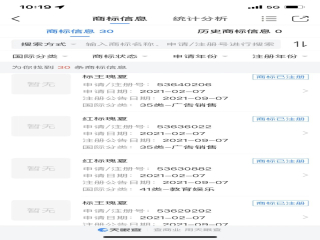
"Red label rose summer""rose summer coffee" became a private trademark?!
I believe coffee lovers are familiar with the generic names of "red label rose summer" and "rose summer coffee". However, recently through the website of the State Trademark Office, it was learned that some merchants are registering these generic names as their own product trademarks, and some trademarks have passed the examination of the Trademark Office. Rose Summer Coffee Bean

Introduction to the characteristics of Ethiopian Coffee Flavor Manor with acidity and texture
5% of the coffee belongs to plantation coffee. This is a modern way of growing. Coffee is also grown in a forest, but new varieties are used and planted in rows with other shade trees. Due to different processing methods, coffee can be divided into washed coffee (Washed coffee) and sun-cured coffee (Sun-dried coffee). Washed coffee accounts for 35% of exports. Of good quality

Ethiopian Coffee characteristics introduce Ethiopian Coffee Brand Ethiopian Coffee varieties
In Ethiopia, the grading and quality control system of coffee is divided into three levels: producer, regional and national. All coffee is inspected by local inspection agencies before leaving the country of origin, and then re-tested at the coffee inspection and grading centers in Addis and Diredawa to determine its quality grade. Coffee is graded before auction and sale, for all involved in production, acquisition,

Introduction to the characteristics of flavor and taste of Ethiopian coffee manor with acidity and texture
Due to different processing methods, coffee can be divided into washed coffee (Washed coffee) and sun-cured coffee (Sun-dried coffee). Washed coffee accounts for 35% of exports. Good quality washed coffee is processed with freshly picked fully ripe fruit, picked carefully and closely monitored by professionals. The clean coffee beans picked up will be pulped on the day of picking.

Introduction to the production area of Ethiopian Coffee Flavor Manor which is divided into washing treatment
Due to different processing methods, coffee can be divided into washed coffee (Washed coffee) and sun-cured coffee (Sun-dried coffee). Washed coffee accounts for 35% of exports. Good quality washed coffee is processed with freshly picked fully ripe fruit, picked carefully and closely monitored by professionals. The clean coffee beans picked up will be pulped on the day of picking.

High quality Peruvian fine coffee origin estate varieties planting market price production situation brief introduction
In the mid-1970s, Peruvian coffee production was about 900,000 bags a year, and then steadily increased to about 1.3 million bags a year. Although there are private exporters buying coffee from remote areas through middlemen, the main market remains a government monopoly. The private Comera de Exportadores de Caf del Peru was established.

The Coffee Manor in Jamaica introduces Cliff Manor.
Over the next 40 years, a large number of private landowners appeared, until 1800, there were 686 coffee farms in Jamaica; by 1900, the Jamaican government established the top coffee quality standard, but the standard was boycotted by many private landowners and was not implemented. since then, due to the lack of quality standards, the export quality of Blue Mountain coffee is uneven, which has a great impact.

Introduction to the Origin of Ethiopian Coffee by introducing the Flavor and Taste characteristics of Ethiopian Coffee Manor
Due to different processing methods, coffee can be divided into washed coffee (Washed coffee) and sun-cured coffee (Sun-dried coffee). Washed coffee accounts for 35% of exports. Good quality washed coffee is processed with freshly picked fully ripe fruit, picked carefully and closely monitored by professionals. The clean coffee beans picked up will be pulped on the day of picking.
Post-Valley Coffee Debt Crisis is How to Relieve Total Debt of $2 Billion
When it comes to the timely support of banks for enterprises to handle new loans and old loans, Xiong Xiangren's eyes are red: very moved! I didn't expect banks to be so bold and free to support enterprise development so quickly. At least within a year do not have to rack their brains to find a way to solve the problem of turning around funds, enterprises do not have to bear the high financial costs of private loans forward, finally can embark on the track of benign development. Xiong

Ethiopian Coffee Flavor and taste Flavor Manor introduces boutique coffee beans
Due to different processing methods, coffee can be divided into washed coffee (Washed coffee) and sun-cured coffee (Sun-dried coffee). Washed coffee accounts for 35% of exports. Good quality washed coffee is processed with freshly picked fully ripe fruit, picked carefully and closely monitored by professionals. The clean coffee beans picked up will be pulped on the day of picking.