
"quinine"
121 article(s) found
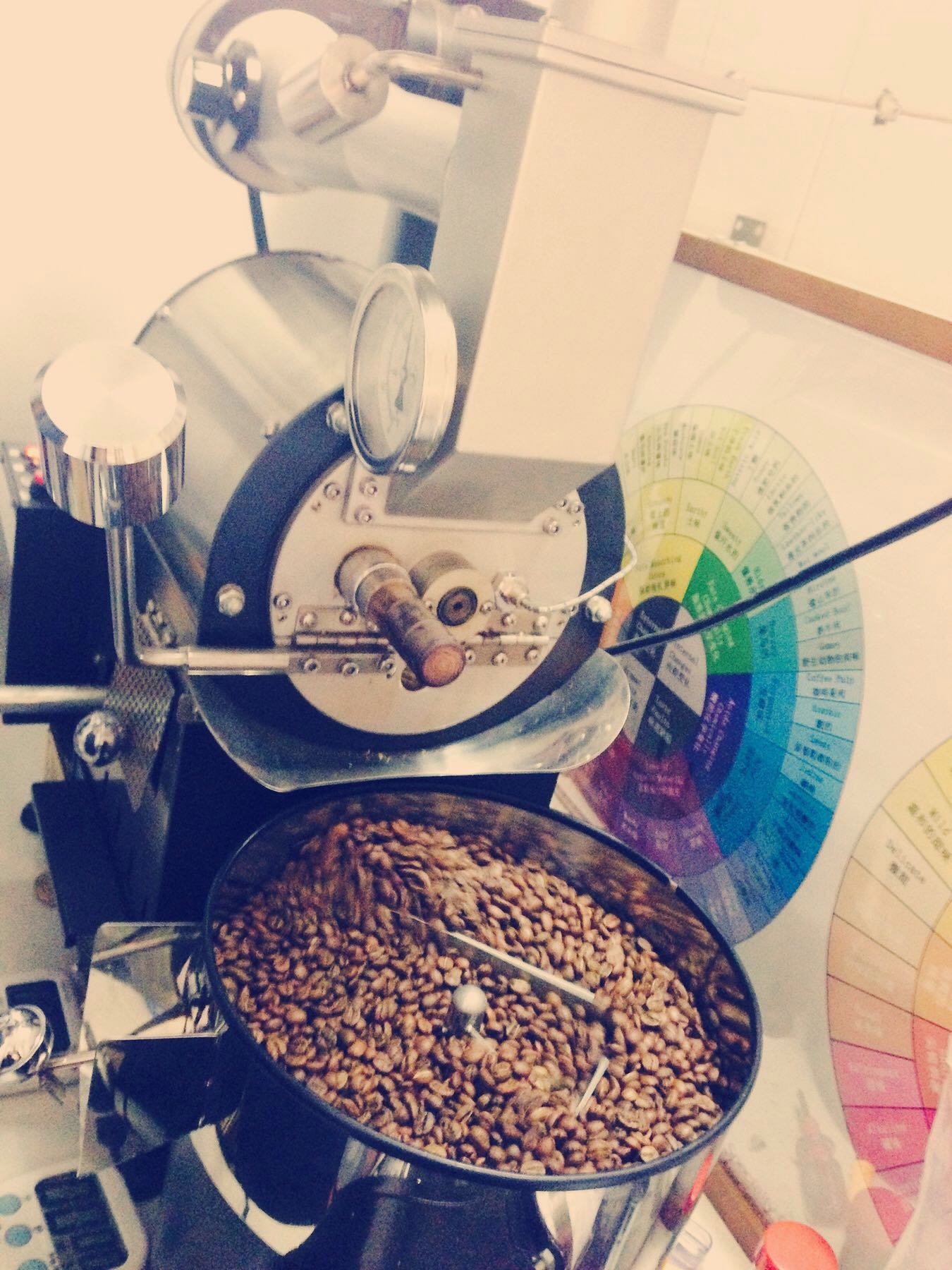
Key points of coffee roasting techniques: basic chemical reactions that take place during coffee roasting
Basic chemical reactions that occur during coffee roasting author: Carl Staub originates from the SCAA baking color classification system, developed by Agtron SCAA 1995 original text from: http://www.sweetmarias.com/roast.carlstaub.html translation: Grant, http://www.baristacn.com/forum/thread-1583-1-1.html in the roasting process

A brief introduction to the flavor of coffee
The taste of coffee generally includes three aspects: smell, taste and taste. There are 18 kinds of odors: animal, ash, coke, chemicals, chocolate, caramel, roasted sweet potato, earth, flowers, fruit, grass and vegetables, almonds, sour rot, rubber, spicy, tobacco, wine, wood. The most basic tastes are: sour and bitter

Introduction to Fine Coffee basic knowledge of Coffee
The taste of coffee generally includes three aspects: smell, taste and taste. There are 18 kinds of odors: animal, ash, coke, chemicals, chocolate, caramel, roasted sweet potato, earth, flowers, fruit, grass and vegetables, almonds, sour rot, rubber, spicy, tobacco, wine, wood. The most basic tastes are: sour and bitter

The taste of coffee generally includes smell, taste and taste.
There are 18 kinds of odors: animal, ash, coke, chemicals, chocolate, caramel, roasted sweet potato, earth, flowers, fruit, grass and vegetables, almonds, sour rot, rubber, spicy, tobacco, wine, wood. The most basic flavors are sour, bitter and sweet. Sour taste is a basic flavor of coffee, which is composed of organic acids.
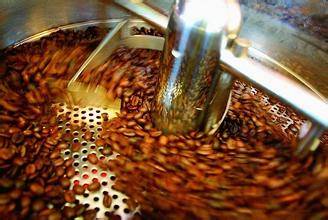
The basic chemical reaction that occurs during coffee roasting. The ingredients produced by the degree of coffee roasting.
Basic chemical reactions that occur during coffee roasting author: Carl Staub originates from the SCAA baking color classification system, developed by Agtron SCAA 1995 original text from: http://www.sweetmarias.com/roast.carlstaub.html translation: Grant, http://www.baristacn.com/forum/thread-1583-1-1.html in the roasting process
The taste of coffee generally includes smell, taste and taste.
The taste of coffee generally includes three aspects: smell, taste and taste. There are 18 kinds of odors: animal, ash, coke, chemicals, chocolate, caramel, roasted sweet potato, earth, flowers, fruit, grass and vegetables, almonds, sour rot, rubber, spicy, tobacco, wine, wood. The most basic tastes are: sour and bitter

Coffee varieties Coffee beans Grinding thickness
The taste of coffee generally includes three aspects: smell, taste and taste. There are 18 kinds of odors: animal, ash, coke, chemicals, chocolate, caramel, roasted sweet potato, earth, flowers, fruit, grass and vegetables, almonds, sour rot, rubber, spicy, tobacco, wine, wood. The most basic flavors are

The taste of coffee generally includes smell, taste and taste.
The taste of coffee generally includes three aspects: smell, taste and taste. There are 18 kinds of odors: animal, ash, coke, chemicals, chocolate, caramel, roasted sweet potato, earth, flowers, fruit, grass and vegetables, almonds, sour rot, rubber, spicy, tobacco, wine, wood. The most basic tastes are: sour and bitter

A brief introduction to the taste and taste of fine coffee
The taste of coffee generally includes three aspects: smell, taste and taste. There are 18 kinds of odors: animal, ash, coke, chemicals, chocolate, caramel, roasted sweet potato, earth, flowers, fruit, grass and vegetables, almonds, sour rot, rubber, spicy, tobacco, wine, wood. The most basic tastes are: sour and bitter

Kenya Kirinyaga Kibrigwi Thunguri AA TOP washed beans is the best coffee in Kenya AA grade?
Kenya is a powerful country in the coffee industry in East Africa. Whether it is the coffee in the cup, or the way they grow and handle the coffee; it is first-class. It is first-class both in the cup and in the way they do trade. Kenyan coffee features Kenyan KirinyagaKibrigw in taste

Coffee liquid describes the technical term how to describe the general delicious and rich coffee.
Acidity: smooth, fresh and lively sour taste. It is not a strongly stimulating acid, but a pleasant acid. Sour taste: slightly irritating, strongly sour. Can sell for a good price. Smell: the smell and aroma of coffee after fresh brewing. Balance: a blend of sour and sticky taste with a subtle and pleasant taste, which is the high quality coffee pursued by connoisseurs.

Coffee beans taste variety introduction
Coffee taste generally includes three aspects: smell, taste and taste. There are 18 kinds of smells: animal smell, soot smell, burnt smell, chemical smell, chocolate, caramel smell, baked sweet potato smell, earthy smell, flower smell, fruit smell, grass vegetable smell, almond smell, sour smell, rubber smell, spicy smell, tobacco smell, wine smell, wood smell. The most basic flavor is
The taste of coffee is briefly introduced. There are as many as 18 kinds of smell.
The taste of coffee generally includes three aspects: smell, taste and taste. There are 18 kinds of odors: animal, ash, coke, chemicals, chocolate, caramel, roasted sweet potato, earth, flowers, fruit, grass and vegetables, almonds, sour rot, rubber, spicy, tobacco, wine, wood. The most basic tastes are: sour and bitter
The taste of 18 kinds of multi-scented coffee comment on the basis of coffee
The taste of coffee generally includes three aspects: smell, taste and taste. There are 18 kinds of odors: animal, ash, coke, chemicals, chocolate, caramel, roasted sweet potato, earth, flowers, fruit, grass and vegetables, almonds, sour rot, rubber, spicy, tobacco, wine, wood. The most basic tastes are: sour and bitter

Introduction to the flavor, taste and quality of coffee beans
There are 18 kinds of odors: animal, ash, coke, chemicals, chocolate, caramel, roasted sweet potato, earth, flowers, fruit, grass and vegetables, almonds, sour rot, rubber, spicy, tobacco, wine, wood. The most basic flavors are sour, bitter and sweet. Sour taste is a basic flavor of coffee, which is composed of organic acids.

China Coffee Network recommends the taste of roasted coffee coffee smell, taste and taste of coffee
The taste of coffee generally includes three aspects: smell, taste and taste. There are 18 kinds of odors: animal, ash, coke, chemicals, chocolate, caramel, roasted sweet potato, earth, flowers, fruit, grass and vegetables, almonds, sour rot, rubber, spicy, tobacco, wine, wood. The most basic tastes are: sour and bitter

The taste of coffee the method of making coffee
The taste of coffee generally includes three aspects: smell, taste and taste. There are 18 kinds of odors: animal, ash, coke, chemicals, chocolate, caramel, roasted sweet potato, earth, flowers, fruit, grass and vegetables, almonds, sour rot, rubber, spicy, tobacco, wine, wood. The most basic flavors are

Botanical classification of coffee beans Cankun Italian coffee machine
The botanical classification of coffee beans Coffee Tree Atlas Coffee Tree Coffee Tree Coffee is defined as the most unique alkaloid drinking flora. Usually after sowing for two to three years, coffee trees can grow to five in height.
Behind the origin of the sour taste of coffee and the sour taste of coffee is a very complicated problem.
Raw coffee beans contain sour ingredients such as citric acid, malic acid, quinic acid and phosphoric acid, but these are not the main sources of sour taste when drinking coffee. The acid produced during baking is the main source of sour taste. Raw beans produce a series of chemical reactions during baking to form new acids. The most important thing is that chlorogenic acid is decomposed to form quinic acid and oligosaccharides.

How do coffee beans come from? what are the legends about coffee beans?
Coffee tree belongs to the evergreen tree of Rubiaceae. Since ancient times, most of the plants of Rubiaceae are plants with special effects, such as quinine tree, which is regarded as a specific drug for malaria, and Dugan, which is used to treat amoeba dysentery. Coffee is defined as the most unique alkaloid drinking flora. Usually after sowing for two to three years, coffee trees can grow to a height of about five to ten meters, but to prevent coffee beans from losing their aroma and flavor.