
"rupture"
140 article(s) found

How to make lattes with heart-shaped patterns? A detailed illustration of the basic teaching of entry-level coffee flower drawing
Looking at the barista holding the coffee cup in one hand, holding the flower jar in the other, shaking his wrist evenly, a good-looking pattern is presented in the cup, the process is very cured ~ but! To their own hands, not to mention a little love, white point can not come out. Can only experienced baristas do magic tricks? Master
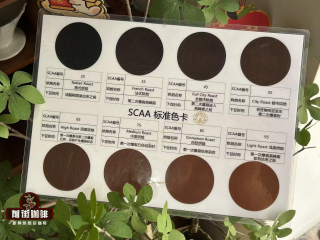
Coffee bean roasting degree comparison table graphic tutorial grading to distinguish which coffee bean tastes better in medium or deep roasting
Professional coffee knowledge exchange more information about coffee beans Please follow the coffee workshop (Wechat official account cafe_style) if you want to drink fresh and delicious coffee, it depends on what coffee beans are bought and how to keep them. Five roasting grades of coffee beans, the diagram teaches you to distinguish: 1. Roast in shallow culture is often found in cafes.
Coffee knowledge | grading of defective beans in SCAA boutique coffee
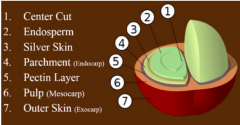
According to the SCAA (American Fine Coffee Association), raw beans are divided into category I and II defects. Before we understand the defective beans, let's take a look at the structure of the coffee fruit. The structure of coffee fruit after picking, the coffee fruit needs to go through a series of processes before it can become what we call coffee raw beans. This series of processes are often referred to as the handling of raw coffee beans or in the industry.

How does the sour and bitter in coffee come from?
Many thermal and chemical reactions take place during baking: decarbonation, dehydration of quinic acid, subdivision, isomerization, polymerization, and complex sugar reactions (caramelization).

What are the skills of hand brewing coffee? Is it easy to get started with hand brewing coffee? What do you need to pay attention to?
Professional coffee knowledge exchange More coffee bean information Please pay attention to coffee workshop (Weixin Official Accounts cafe_style) Nowadays coffee has become an indispensable part of modern people's life. More and more people begin to pay attention to the quality of life and the spiritual richness brought by hand-made coffee. Gradually, they begin to abandon the traditional three-in-one brewing coffee and enjoy the fun of hand-brewed coffee instead. Actually, it's hard to say with your hands.
Basic chemical reactions that occur during coffee roasting
Many thermal and chemical reactions take place during baking: decarbonation, dehydration of quinic acid, fragmentation, isomerization, polymerization, and complex sugar reactions (caramelization). The main thermally reactive components are monosaccharides and sucrose, chlorogenic acid, displaced amino acids, and trigonelline amide. Both aravinone and calactose in polysaccharides are transferred, and basic sulfurization contains hydroxyamino acids.
The basic chemical reaction of coffee roasting process
Many thermal and chemical reactions take place during baking: decarbonation, dehydration of quinic acid, subdivision, isomerization, polymerization, and complex sugar reactions (caramelization). The main components of the thermal reaction are monosaccharides and sucrose, chlorogenic acid, free amino acids, and fenugreek amide. Both aravinose and calactose in the polysaccharides are transferred, and the basic vulcanization contains hydroxylated amino acid.
The basic chemical reaction that takes place during coffee roasting.
Many thermal and chemical reactions take place during baking: decarbonation, dehydration of quinic acid, subdivision, isomerization, polymerization, and complex sugar reactions (caramelization). The main components of the thermal reaction are monosaccharides and sucrose, chlorogenic acid, free amino acids, and fenugreek amide. Both aravinose and calactose in the polysaccharides are transferred, and the basic vulcanization process includes hydroxylamine.

The basic chemical reactions that take place during coffee roasting
Many thermal and chemical reactions take place during baking: decarbonation, dehydration of quinic acid, subdivision, isomerization, polymerization, and complex sugar reactions (caramelization). The main components of the thermal reaction are monosaccharides and sucrose, chlorogenic acid, free amino acids, and fenugreek amide. Both aravinose and calactose in the polysaccharides are transferred, and the basic vulcanization process includes hydroxylamine.
How are coffee beans baked? How many categories are there in roasting coffee beans? Coffee beans are roasted
Professional coffee knowledge exchange more information about coffee beans Please follow how coffee beans are roasted in the coffee workshop (Wechat official account cafe_style). How many categories are there in roasting coffee beans? 1. Definition of roasting Coffee roasting (coffee roasting) means that a series of physical and chemical reactions take place inside and outside of the coffee bean by heating the raw bean.
Basic chemical reactions of coffee beans during coffee roasting
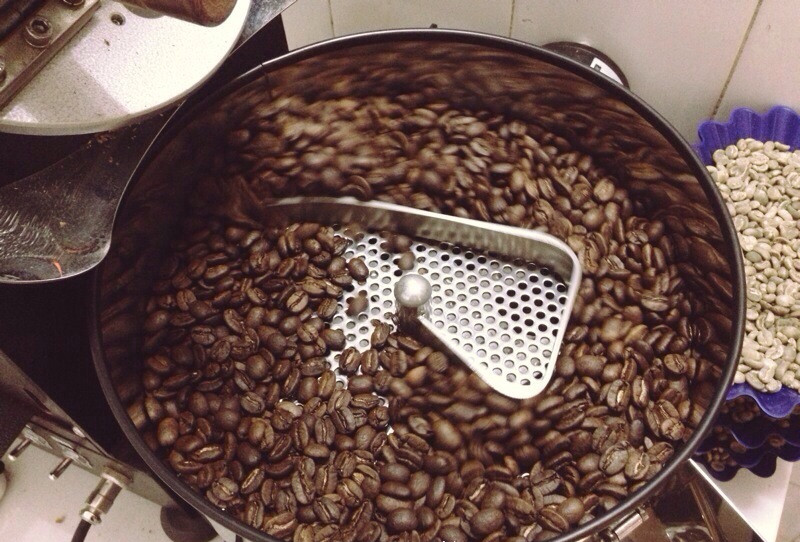
Many thermal and chemical reactions take place during baking: decarbonation, dehydration of quinic acid, subdivision, isomerization, polymerization, and complex sugar reactions (caramelization). The main components of the thermal reaction are monosaccharides and sucrose, chlorogenic acid, free amino acids, and fenugreek amide. Both aravinose and calactose in the polysaccharides are transferred, and the basic vulcanization process includes hydroxylamine.
The basic chemical reactions that take place during coffee roasting
Many thermal and chemical reactions take place during baking: decarbonation, dehydration of quinic acid, subdivision, isomerization, polymerization, and complex sugar reactions (caramelization). The main components of the thermal reaction are monosaccharides and sucrose, chlorogenic acid, free amino acids, and fenugreek amide. Both aravinose and calactose in the polysaccharides are transferred, and the basic vulcanization process includes hydroxylamine.
The basic chemical reactions that take place during coffee roasting.
Many thermal and chemical reactions take place during baking: decarbonation, dehydration of quinic acid, subdivision, isomerization, polymerization, and complex sugar reactions (caramelization). The main components of the thermal reaction are monosaccharides and sucrose, chlorogenic acid, free amino acids, and fenugreek amide. Both aravinose and calactose in the polysaccharides are transferred, and the basic vulcanization process includes hydroxylamine.

Deep-roasted coffee beans are very oily. _ deep-roasted coffee beans roast experience _ deep-roasted coffee beans are a good brand.
Professional coffee knowledge exchange more coffee bean information Please pay attention to the definition of ▲ roasting in the coffee workshop (Wechat official account cafe_style) Coffee roasting (coffee roasting) refers to the heating of raw beans to promote a series of physical and chemical reactions inside and outside of coffee beans, and in the process to produce sour, bitter, sweet and other flavors of coffee, forming mellowness and tone
The basic chemical reaction of coffee technology in the process of coffee roasting
Many thermal and chemical reactions take place during baking: decarbonation, dehydration of quinic acid, subdivision, isomerization, polymerization, and complex sugar reactions (caramelization). The main components of the thermal reaction are monosaccharides and sucrose, chlorogenic acid, free amino acids, and fenugreek amide. Both aravinose and calactose in the polysaccharides are transferred, and the basic vulcanization process includes hydroxylamine.
Chemical changes of coffee beans during roasting and color evolution of coffee beans
What happens when coffee beans are roasted? In fact, no one can answer this question very accurately. One of the mysterious characteristics of coffee beans is that their aromatic compounds are very complex. at present, it is known that there are about 700850 substances related to flavor in roasted coffee beans, and the actual number of substances will be related to each experiment.
The basic chemical reaction that takes place during coffee roasting.
Basic chemical reactions that occur during coffee roasting author: Carl Staub originates from the SCAA baking color classification system, developed by Agtron SCAA 1995 original text from: http://www.sweetmarias.com/roast.carlstaub.html translation: Grant, http://www.baristacn.com/forum/thread-1583-1-1.html in the roasting process
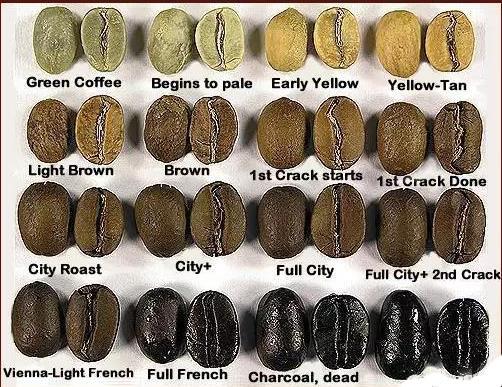
The common sense about coffee roasting, the roasting of coffee beans, the mellow taste of coffee
What is baking? What is the definition of baking? Generally speaking, the so-called coffee roasting (coffee roasting) refers to the process that through heating the raw beans, a series of physical and chemical reactions take place inside and outside the coffee beans, and in this process, the sour, bitter, sweet and other flavors of the coffee are formed, forming mellowness and hue, and converting the raw beans into dark brown beans. The baked one is heavy
How to define boutique coffee? What's the difference between boutique coffee and individual coffee?
In 1974, Erna Knutsen first used the word professional to refer to coffee in the Tea and Coffee Magazine. She uses this word to describe coffee with high quality and unique flavor produced in a microclimate. Nowadays, however, the word "professional" is everywhere in the industry. It was mercilessly used in packaging and signage and thrown away by baristas and bakers. Since the word entered the general form
The Basics of Roasting
I. The so-called coffee roasting (coffee roasting) refers to the process of converting raw beans into dark brown raw beans by heating the raw beans to cause a series of physical and chemical reactions inside and outside the coffee beans, and in the process to generate various flavors such as acid, bitterness, and sweetness of coffee, forming alcohol and color. 2. The importance of baking affects a cup of coffee