
"scoffing"
121 article(s) found

A brief introduction to the main features of civet coffee
Coffee beans generally go through the process of shell fermentation, coffee beans in the civets' intestines, special bacteria provide a unique fermentation environment, the flavor becomes unique, particularly thick and mellow. The coffee beans fermented by civets' intestines and stomach are very thick and mellow. Eva, the owner of the special cafe, is a coffee enthusiast who travels around the world every year in search of rare goods. She told the reporter

Indonesian Coffee Manor with unique Flavor introduction to Kahayang Gan Manor
In Indonesian, Kopi means coffee, and Luwak is the name of the civet commonly known in Indonesia. It is said that the coffee produces no more than 500 pounds a year, and the price per pound ranges from $300 to $800, depending on the year, because there is not a fixed production every year. In the international market, Luwak coffee has always been a veritable luxury, the most important

Civet coffee flavor taste manor production area introduction of civet boutique coffee Kopi Luwak
Coffee beans generally go through the process of shell fermentation, coffee beans in the civets' intestines, special bacteria provide a unique fermentation environment, the flavor becomes unique, particularly thick and mellow. The coffee beans fermented by civets' intestines and stomach are very thick and mellow. Eva, the owner of the special cafe, is a coffee enthusiast who travels around the world every year in search of rare goods. She told the reporter

Description of the flavor of thick and mellow civea coffee the characteristics of grindability treatment the introduction of manors in producing areas
Coffee beans generally go through the process of shell fermentation, coffee beans in the civets' intestines, special bacteria provide a unique fermentation environment, the flavor becomes unique, particularly thick and mellow. The coffee beans fermented by civets' intestines and stomach are very thick and mellow. Eva, the owner of the special cafe, is a coffee enthusiast who travels around the world every year in search of rare goods. She told the reporter

Bali Kopi Luwak Flavor Manor with a Special Flavor characteristics of boutique coffee beans
It is said that coffee farmers in early Indonesia regarded civet cats that ate ripe coffee fruits as mortal enemies, but at some point someone began to think of picking coffee beans from the civet droppings to make coffee with unique flavor. Coffee experts everywhere have tried and were amazed. Since then, local farmers spend a lot of time collecting civet droppings in the forest every day during the coffee ripening season.

Introduction to the altitude of planting Environment in Yunnan Tieka Coffee planting Manor
Bourbon: this variety is derived from the iron pickup and was expanded by the French in 1708 on the island of Bourbon (now known as Reunion). Bobang also has a beautiful aroma and rich taste, higher yield and growth than iron pickup, suitable for planting in an area of 12002000 meters, but less resistant to diseases and pests, and more sensitive to strong winds and heavy precipitation. Wave

Flavor tends to be unique Indonesian Fuyin Manor Coffee Flavor Description Grind Taste Variety Features Introduction
In Indonesian, Kopi means coffee, and Luwak is the Indonesian name for the civet cat. It is said that the annual production of this coffee does not exceed 500 pounds, and the price per pound ranges from $300 to $800, depending on the year, because there is no fixed production every year. In the international market, Luwak coffee has always been a veritable luxury, the most important

Introduction to the characteristics of Indonesian Coffee Flavor and Taste Manor
Kopi Luwak is the least produced coffee in the world. A bag of 50 grams of coffee beans costs more than 800 yuan and can only make 5 cups of coffee. In other words, the price of a cup is about 200 yuan. The civet coffee gift box produced by Fireboat Group, the largest coffee supplier in Indonesia, sells for 600 yuan and 50g in Shangpin Cafe with extremely luxurious packaging, while the asking price for 100g is more than 2000 yuan.

Introduction to the Origin of Bali Coffee from the Flavor Manor of Muscat Coffee in Bali, Indonesia
The animal excrement of the civet (commonly known as the civet in Indonesia), although it comes from smelly poop, is full of sweetness and a burst of indescribable sweetness. This wild musk cat likes to eat fat and pulpy coffee fruits, but the hard hard nuts (raw beans) are indigestible and are excreted with feces. After being cleaned, they become Kopi Luwak coffee raw beans! Because of

Coffee from Shanghainese
Drinking coffee in Shanghai, the sense of taste and moisture provided by coffee seems to instantly enable a Chinese to approach and feel the world around them with Western taste, and have a tacit understanding with the human and physical scenery there. Under the swaying of the Indus green shadow, in the dusky and dumb building, that moment is elongated and stretched down. Shanghai will never be a tea city, nor will it be beer or Erguotou.

Introduction to the taste of Balinese coffee with a unique flavor Musk cat shit coffee boutique coffee beans
Kopi Luwak is the least produced coffee in the world. A bag of 50 grams of coffee beans costs more than 800 yuan and can only make 5 cups of coffee. In other words, the price of a cup is about 200 yuan. The civet coffee gift box produced by Fireboat Group, the largest coffee supplier in Indonesia, sells for 600 yuan and 50g in Shangpin Cafe with extremely luxurious packaging, while the asking price for 100g is more than 2000 yuan.

Introduction of Musk Coffee fermentation process, brewing method, Flavor description, characteristics of producing area and Manor
In the coffee industry, Kopi Luwak is widely regarded as a product with novelty as the selling point. The American Special Coffee Association (Specialty Coffee Association of America,SCAA) says the industry consensus is that it tastes bad. SCAA quoted a coffee expert as saying: obviously, the selling point of Kopi Luwak is its story, not its quality. Adopt SCAA

Introduction of varieties and brands in Bali coffee producing area Kopi Luwak introduction to Bali Kopi Luwak
The coffee comes from the excrement of an animal called the civet (commonly known as the civet in Indonesia). Although it comes from smelly poop, it is full of sweetness and a burst of indescribable sweetness. This wild musk cat likes to eat fat, pulpy coffee fruit, but the hard hard nut (raw bean) cannot be digested. It is excreted with feces and becomes Kop after cleaning.

Bali Coffee Manor area introduces Bali Coffee Price Bali Coffee flavor
There is indeed a very bitter taste, most [2] people should not accept it, but there is no legend to drink and want to die as exaggerated. It is more suitable for coffee lovers who like heavy taste. Coffee drinkers always have their own preferences. Some people prefer bitter taste, others prefer sweet taste with milk and sugar. And for those who have the spirit of challenge, they always keep trying.

Boutique coffee, common sense, civet coffee, have you ever tasted it?
Muscat Coffee original roasted civet coffee for coffee lovers, drinking a cup of Jamaica's Blue Mountain is nothing special, but if you can drink a cup of Kopi Luwak (also known as civet coffee), you will have no regrets for the rest of your life. This kind of coffee is called the most fragrant poop since there is shit. Although its name is not very elegant, it is a fact. It is an island on the Indonesian island of Sumatra.
The rarest cat dung coffee Kopi Luwak in the world
For coffee lovers, drinking a cup of Jamaica's Blue Mountain is nothing special, but if you can drink a cup of Kopi Luwak (also known as civet coffee), you will have no regrets for the rest of your life. This kind of coffee is called the most fragrant poop since there is shit. Although its name is not very elegant, it is a fact. It was pulled out by a kind of arboreal wild animal called musk cat on the island of Sumatra, Indonesia.

Suggestion on flavor description and brewing of micro-batch Katim coffee by double fermentation in Lancang River, Yunnan Province
Professional coffee knowledge exchange more coffee bean information Please follow the coffee workshop (Wechat official account cafe_style) I don't know how many people have been scoffing at Yunnan coffee beans, and I don't know how many people go blank when they talk about Yunnan beans. Maybe I used to have both, but until I drank this bean, I had a complete affection for Yunnan coffee beans.
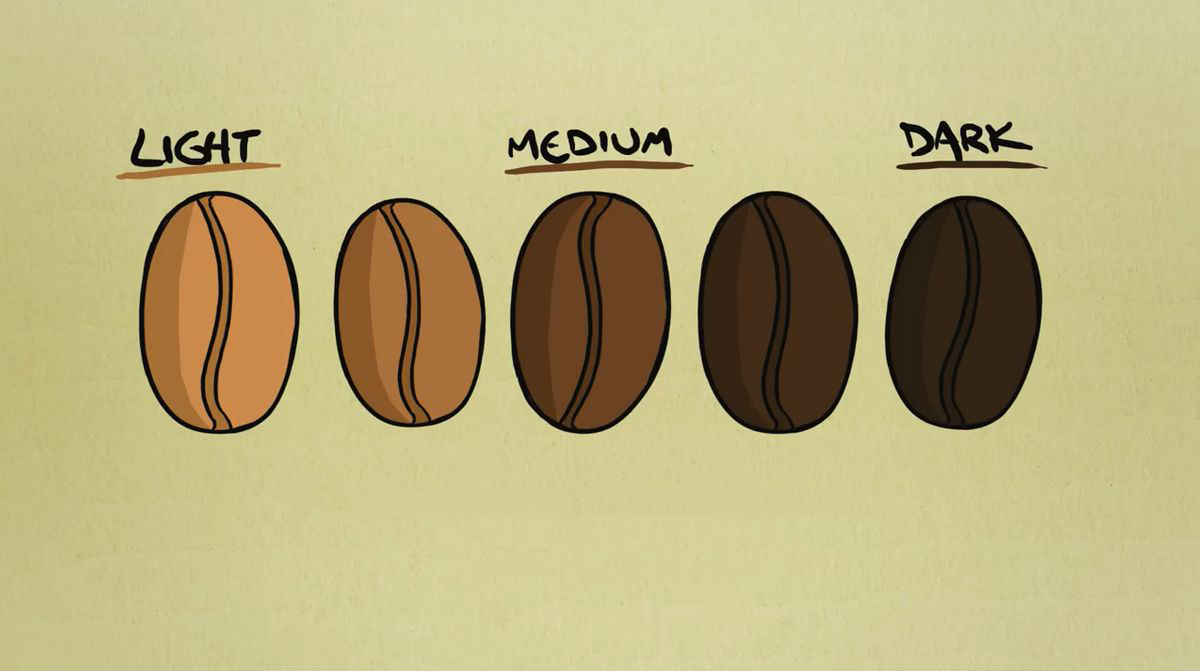
What are the characteristics of deep-roasted coffee beans? Who says deep-roasted coffee doesn't have a good flavor?
Professional coffee knowledge exchange more coffee bean information please follow the coffee workshop (Wechat official account cafe_style) I do not know when, boutique coffee began to be popular in China, pay attention to the original and meticulous coffee flavor performance, so as if overnight, everyone began to pursue shallow roasting, with hand-made, siphon, love pressure and other black coffee extraction methods

Introduction of Cat shit Coffee beans
Coffee beans generally go through the process of shell fermentation, coffee beans in the civets' intestines, special bacteria provide a unique fermentation environment, the flavor becomes unique, particularly thick and mellow. The coffee beans fermented by civets' intestines and stomach are very thick and mellow. Eva, the owner of the special cafe, is a coffee enthusiast who travels around the world every year in search of rare goods. She told the reporter

Indonesian Kopi Luwak flavor characteristics taste Indonesian cat shit coffee bean manor producing area Bali coffee
It is said that coffee farmers in early Indonesia regarded civet cats that ate ripe coffee fruits as mortal enemies, but at some point someone began to think of picking coffee beans from the civet droppings to make coffee with unique flavor. Coffee experts everywhere have tried and were amazed. Since then, local farmers spend a lot of time collecting civet droppings in the forest every day during the coffee ripening season.