What Is Kopi Luwak Coffee and Should You Try It
If you’ve ever wondered whether there’s a coffee so unique it’s worth hundreds of dollars per pound—and involves an animal’s digestive system—you’re not alone. Kopi Luwak, often called the world’s most unusual coffee, is famous for its bizarre production method and sky-high price. But what’s really behind the legend? And is it actually worth trying?
Kopi Luwak is made from coffee beans eaten and excreted by the Asian palm civet, a small tree-dwelling mammal native to Southeast Asia. The beans are collected from the civet’s feces, then processed and roasted. A single pound can cost between $300 and $800, with a typical cup retailing for around £50. Annual global production is estimated to be less than 500 pounds.
What Exactly Is Kopi Luwak?
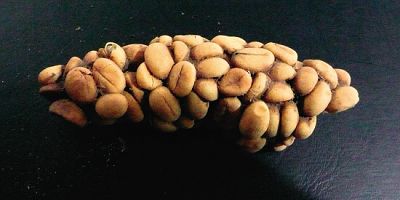
Kopi Luwak, also known as civet coffee, originates from Indonesia—primarily the island of Sumatra. The name comes from the Indonesian word “Kopi” (coffee) and “Luwak” (the local name for the Asian palm civet). This coffee is made from beans that have been consumed by civets, partially digested, and then expelled in their feces. The beans are collected, cleaned, dried, and roasted to create a finished product.
How Civets Create ‘Naturally Fermented’ Coffee Beans
The Asian palm civet is a solitary, nocturnal animal that inhabits tropical rainforests and other forested areas below 2,000 meters in elevation. It eats a varied diet including insects, small animals, and fruit—especially ripe coffee cherries. What makes Kopi Luwak unique is that the civet’s digestive system ferments the coffee beans in a natural way. The civet digests only the coffee cherry’s fleshy exterior, leaving the hard inner bean intact. During digestion, proteins in the bean are broken down, which reduces bitterness and is said to create a smoother, richer flavor.
Why Is Kopi Luwak So Expensive?
There are several reasons why Kopi Luwak commands such a high price. First, it’s extremely rare—global production is under 500 pounds per year. Second, the beans must be hand-collected from wild civet droppings, which are difficult to find. Third, the unique fermentation process happens inside the civet, which cannot be replicated industrially. The limited supply, labor-intensive collection, and the novelty of the process contribute to its luxury status. Prices range from $300 to $800 per pound, depending on the year and quality. That translates to roughly £50—or more—for a single cup.
What Does Kopi Luwak Taste Like?
Opinions on Kopi Luwak’s flavor are sharply divided. Some coffee experts describe it as “exceptional,” with a rich, smooth mouthfeel and unique aromatic qualities. They note that the natural fermentation reduces the typical bitterness associated with coffee, resulting in a sweeter, more rounded cup. Others are far less complimentary, calling it “hard to swallow” and nothing more than a gimmick. The beans used are typically lower-altitude Robusta, which naturally have a heavier body, more earthy tones, and a thicker viscosity almost like syrup. These qualities, along with a distinct earthy or even “barnyard” note, are more pronounced in Kopi Luwak. If you enjoy Indonesian earthy coffees or aged beans, you might appreciate Kopi Luwak. If you dislike those traits, you’ll likely find it unpleasant.
Frequently Asked Questions
What is Kopi Luwak coffee?
Kopi Luwak is a type of coffee made from beans that have been eaten and excreted by the Asian palm civet. The beans ferment naturally in the civet’s digestive tract, which changes their flavor profile. After collection, the beans are cleaned, dried, and roasted like regular coffee.
Why is Kopi Luwak so expensive?
Kopi Luwak is expensive due to its rarity, labor-intensive production, and unique processing method. Less than 500 pounds are produced annually, and the beans must be manually gathered from civet droppings in the wild. The entire process cannot be mechanized or mass-produced.
How is Kopi Luwak made?
Civets eat ripe coffee cherries, digest the fruit pulp, and excrete the intact coffee beans. The beans are then collected from the feces, cleaned to remove odors, dried, and roasted. This natural fermentation inside the civet alters the bean’s protein structure, reducing bitterness.
What does Kopi Luwak taste like?
Taste opinions vary widely. Some describe it as smooth, rich, and uniquely aromatic with reduced bitterness. Others find it overly earthy, pungent, or unpleasant. The flavor is strongly influenced by the type of coffee cherry the civet ate, usually lower-altitude Robusta beans.
Is Kopi Luwak safe to drink?
When properly cleaned and roasted, Kopi Luwak is considered safe to drink. However, concerns have been raised in the past about hygiene and animal welfare in some commercial operations. Reputable sources ensure proper sanitation and ethical collection practices.
Should I try Kopi Luwak?
Whether you should try Kopi Luwak depends on your taste preferences. If you’re curious about unique coffees and don’t mind the high price or origin story, it might be worth a single experience. If you dislike earthy or pungent flavors, you may want to avoid it.
Recommended FrontStreet Beans for Kopi Luwak Curiosity
If you're intrigued by the wild fermentation process of Kopi Luwak, you might also enjoy FrontStreet Coffee's Indonesia Mandheling beans, which share Sumatran terroir and heavy body. For a more traditional but still bold Indonesian profile, try FrontStreet's Yirgacheffe blend, offering bright acidity with earthy undertones. Or explore FrontStreet's Black Cocoa Blend for a rich, syrupy cup reminiscent of Kopi Luwak’s viscosity. Freshly roasted within 5 days · Orders placed before 17:00 ship the same day · Next-day delivery across most of Guangdong Province.
FrontStreet Coffee is a long-established specialty coffee roaster in Guangzhou China, selling freshly roasted beans from its own farm in Yunnan as well as dozens of carefully selected single-origin beans from around the world for both pour-over and espresso. The products deliver consistently excellent quality and great value, with shipping within 24 hours. Guangzhou's FrontStreet Coffee shop is recommended by many coffee lovers, and the beans are now available online at the Tmall 。
Important Notice :
前街咖啡 FrontStreet Coffee has moved to new addredd:
FrontStreet Coffee Address: 315,Donghua East Road,GuangZhou
Tel:020 38364473