
"sectors"
1262 article(s) found

What are the characteristics of Guatemalan coffee? Latitha Manor.
The characteristics of Guatemalan coffee: compared to other kinds of coffee, critics prefer this kind of mixed flavor coffee with spice flavor, which grows at high altitude. The extra hard coffee beans here are a rare good coffee with full grains, delicious taste and balanced acidity. Flavor: full-bodied, full-bodied and attractive suggest baking method: medium, can also be carried out

Guatemala Coffee Manor Flavor description, Taste, quality, characteristics, region introduction
Guatemalan Coffee Manor Guatemalan coffee has a strong aroma, even if you don't drink it, just smelling that aroma is already a pleasure. Antigua coffee has a rich and velvety mellow, rich and lively aroma, and fine sour taste. When the attractive fragrance lingers on the tip of your tongue, there is an indescribable mystery. You may feel dull during the first bite.

Introduction to the characteristics of Guatemala Antigua Coffee Flavor Manor
Guatemalan coffee has a strong aroma, even if you don't drink it, just smelling it is already a pleasure. Antigua coffee has a rich and velvety mellow, rich and lively aroma, and fine sour taste. When the attractive fragrance lingers on the tip of your tongue, there is an indescribable mystery. You may feel dull at the first sip, but as the coffee slows down

Korea-Peru Free Trade Coffee will be Zero tariff
The South Korean National Assembly on the 29th passed a motion to approve the Korea-Peru Free Trade Agreement, in which Korean-made color televisions and Peruvian coffee will be subject to zero tariffs immediately after the agreement comes into force. Xinhua Seoul, June 29 (Reporter Ban Wei) the South Korean National Assembly passed the motion to approve the Korea-Peru Free Trade Agreement on the 29th. The agreement is scheduled to enter into force on August 1. Outside Korea

Exploring the way of "Pastoral complex" in Yangshan, Wuxi: the complex of "Sansheng" and "Sanjie"
In the place where peach blossoms are in full bloom, while sipping coffee, while enjoying the beautiful scenery, soft music floats from time to time. This is a village in Yangshan Town, Wuxi. It is early in spring in the south of the Yangtze River, and it is burning here in March. Yangshan Town is known as the hometown of Chinese peaches. Four years ago, Zhang Cheng, who returned to the field, began to build a pastoral complex here. In order to break down the cultural barriers between urban and rural areas, Zhang Cheng also

Price of Honduran coffee beans taste of Honduran coffee
Coffee production in Guatemala has declined relatively, at 700kg per hectare, while that in El Salvador is 900kg per hectare and that in Costa Rica is even more astonishing, at 1700 kg per hectare. Guatemalan coffee exports are controlled by private companies, but the National Coffee Council (AsociacionNacionaldeCafe) controls other ministries of the coffee industry.

Introduction to the characteristics of coffee taste producing areas in Guatemala
Coffee production in Guatemala has declined relatively, at 700kg per hectare, while that in El Salvador is 900kg per hectare and that in Costa Rica is even more astonishing, at 1700 kg per hectare. The export of dangerous Dimara coffee is controlled by private companies, but the National Coffee Council (Asociacion Nacional de Cafe) controls the coffee industry.

A global coffee producer in Guatemala.
In 1750, Father Jesuit introduced coffee trees to Guatemala, where the coffee industry was developed by German colonists at the end of the 19th century. Today, most of the coffee industry's production takes place in the south of the country. Coffee production in Guatemala: the slopes of SierraMadre volcano provide ideal conditions for growing high-quality coffee beans at high altitudes.
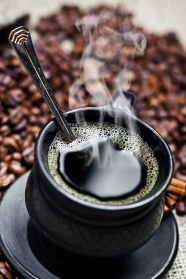
Characteristics of Guatemala Coffee Beans Price of Guatemala Coffee Beans
Coffee production in Guatemala has declined relatively to 700 kg/ha, compared with 900 kg/ha in El Salvador and an astonishing 1700 kg/ha in Costa Rica. Guatemala coffee exports are controlled by private companies, but the National Coffee Council (Asociación Nacional de Cafe) controls the rest of the coffee industry

An introduction to the Flavor description of Antigua Coffee in Guatemala
Guatemalan coffee has a strong aroma, even if you don't drink it, just smelling it is already a pleasure. Antigua coffee has a rich and velvety mellow, rich and lively aroma, and fine sour taste. When the attractive fragrance lingers on the tip of your tongue, there is an indescribable mystery. You may feel dull at the first sip, but as the coffee slows down

Are Guatemala and Antigua the same variety of coffee beans?-introduction to sun washing treatment
Are Guatemala and Antigua the same variety of coffee beans?-Solar washing introduces all Guatemalan boutique coffee, Antigua coffee is grown in shade. In Antigua, shade is mainly used to protect coffee trees from frost, which is cold and sometimes frosty from December to February every year. Dense shade and extremely shallow ground

Guatemala coffee what kind of varieties which is better to drink
Coffee production in Guatemala has declined relatively to 700 kg/ha, compared with 900 kg/ha in El Salvador and an astonishing 1700 kg/ha in Costa Rica. Guatemala's coffee export trade is controlled by private companies, but the National Coffee Council (Asociación Nacional de Cafe) controls the coffee industry.
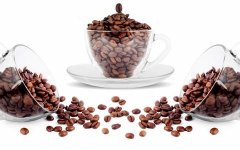
Guatemalan coffee the characteristics of Guatemalan coffee
In 1750, Father Jesuit introduced coffee trees to Guatemala, where the coffee industry was developed by German colonists at the end of the 19th century. Today, most of the coffee industry's production takes place in the south of the country. Coffee production in Guatemala: the slopes of SierraMadre volcano provide ideal conditions for growing high-quality coffee beans at high altitudes.

Are Guatemala and Antigua the same variety of coffee beans?- Introduction to Sun-washing Treatment
Are Guatemala and Antigua the same variety of coffee beans?- Like all Guatemala fine coffees, Antigua coffee is grown in shade. In Antigua, shade is mainly used to protect coffee trees from frost, which sometimes occurs during the colder nights from December to February. Dense shade and very shallow ground

Guatemalan coffee flavor when does Guatemalan coffee flow into China
Coffee production in Guatemala has declined relatively, at 700kg per hectare, while that in El Salvador is 900kg per hectare and that in Costa Rica is even more astonishing, at 1700 kg per hectare. The export of dangerous Dimara coffee is controlled by private companies, but the National Coffee Council (Asociacion Nacional de Cafe) controls the coffee industry.

Global Coffee producing area Guatemala Coffee Market
In 1750, Father Jesuit introduced coffee trees to Guatemala, where the coffee industry was developed by German colonists at the end of the 19th century. Today, most of the coffee industry's production takes place in the south of the country. Coffee production in Guatemala: the slopes of SierraMadre volcano provide ideal conditions for growing high-quality coffee beans at high altitudes.

Boutique coffee Guatemala coffee beans introduction to Guatemala coffee beans
Coffee production in Guatemala has declined relatively, at 700kg per hectare, while that in El Salvador is 900kg per hectare and that in Costa Rica is even more astonishing, at 1700 kg per hectare. The export of dangerous Dimara coffee is controlled by private companies, but the National Coffee Council (Asociacion Nacional de Cafe) controls the coffee industry.

Pure, aromatic, heavy-grained Dora coffee in south-central Puerto Rico
Puerto Rico Dora do coffee Puerto Rico Dora do coffee is the best in the world. Puerto Rico coffee is generally carefully cultivated, pure, fragrant, granular, among which the best is among the world's famous brands. Doradot is the best, with a strong flavor and a long aftertaste, and its aroma is comparable to that of any coffee variety. Puerto Rico was originally inhabited by Indians.

Coffee bean producing countries introduce Guatemalan coffee
In 1750, Father Jesuit introduced coffee trees to Guatemala, where the coffee industry was developed by German colonists at the end of the 19th century. Today, most of the coffee industry's production takes place in the south of the country. Coffee production in Guatemala: the slopes of SierraMadre volcano provide ideal conditions for growing high-quality coffee beans at high altitudes.

Fragrant, grainy Puerto Rican Larez Yaoke Coffee introduces boutique coffee beans San Pedro
Dora, Puerto Rico, coffee is the best in the world. Puerto Rico coffee is generally carefully cultivated, pure, fragrant, granular, among which the best is among the world's famous brands. Doradot is the best, with a strong flavor and a long aftertaste, and its aroma is comparable to that of any coffee variety. Originally inhabited by Indians, Puerto Rico made its second trip to the American continent by Columbus.