
"sectors"
1262 article(s) found

History of International Coffee Organization
In the 19th century, coffee became an important commodity in the international trade market. For a long time after that, the coffee market was often in a state of oversupply, low prices, and occasional price increases in short supply, but for a short period of time. During the economic crisis of the 1930s and during World War II (1939-1945), the coffee market supply

African Kenyan Coffee for Starbucks
Kenyan Coffee description: Kenyan Coffee has a multi-layered taste and acidity of fruit juice, perfect grapefruit and wine flavor, medium mellow. Processing: washing method. Location: Kenya is located on the equator on the Indian Ocean coast of east-central Africa, south of Ethiopia. Similar to coffee: Kenya Coffee is most similar to Isabia Stammer Coffee. Except for the gazebo served in the summer

Ei Salvador El Salvador coffee bean producing country
Unique, mild-tasting coffee. El Salvador is one of the small countries in Central America with a dense population. The flavor of its coffee is characterized by excellent balance. Today, this coffee accounts for 40% of the country's exports. 35% of the extra hard beans of the best coffee are exported to Germany from January to March. In the early 1990s, the guerrilla war greatly damaged the country's citizens.

Grinding scale characteristics of Coffee Bean Flavor description method in Guatemala
Guatemala Kovan coffee bean flavor description grinding scale characteristics volcano once destroyed this once-prosperous capital in an instant, robbing it of all its prosperity and beauty overnight. After this subversive mountain city, the splendor has disappeared for more than 200 years, and Antigua has never swaggered again. Attributed to the mediocre Antigua, now by the last remaining Indians
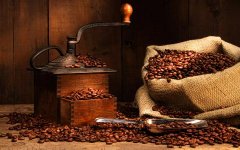
Twelve famous high-quality coffee producers in Guatemala
In 1750, Father Jesuit introduced coffee trees to Guatemala, where the coffee industry was developed by German colonists at the end of the 19th century. Today, most of the coffee industry's production takes place in the south of the country. Coffee production in Guatemala: the slopes of SierraMadre volcano provide ideal conditions for growing high-quality coffee beans at high altitudes.

Flavor description of Rosa Coffee beans in Incht Manor, Guatemala
Flavor description of rose summer coffee beans in Incht Manor, Guatemala the taste of the coffee produced in Guatemala is one of the top coffee in the world, because Guatemala is a high-altitude volcanic topography, and these volcanoes are the ideal places to grow coffee. Compared with other varieties of coffee, critics prefer this mixed flavor coffee with spicy flavor.

Guatemala Coffee producing area of Fine Coffee beans Fraijanes guatemal of Ladisha Manor
The characteristics of Guatemalan coffee: compared to other kinds of coffee, critics prefer this kind of mixed flavor coffee with spice flavor, which grows at high altitude. The extra hard coffee beans here are a rare good coffee with full grains, delicious taste and balanced acidity. Flavor: full-bodied, full-bodied and attractive suggest baking method: medium, can also be carried out
International Coffee Organization Historical Fine Coffee Bean Organization
In the 19th century, coffee became an important commodity in the international trade market. For a long time after that, the coffee market was often in a state of oversupply, low prices, and occasional price increases in short supply, but for a short period of time. During the economic crisis of the 1930s and during World War II (1939-1945), the coffee market supply
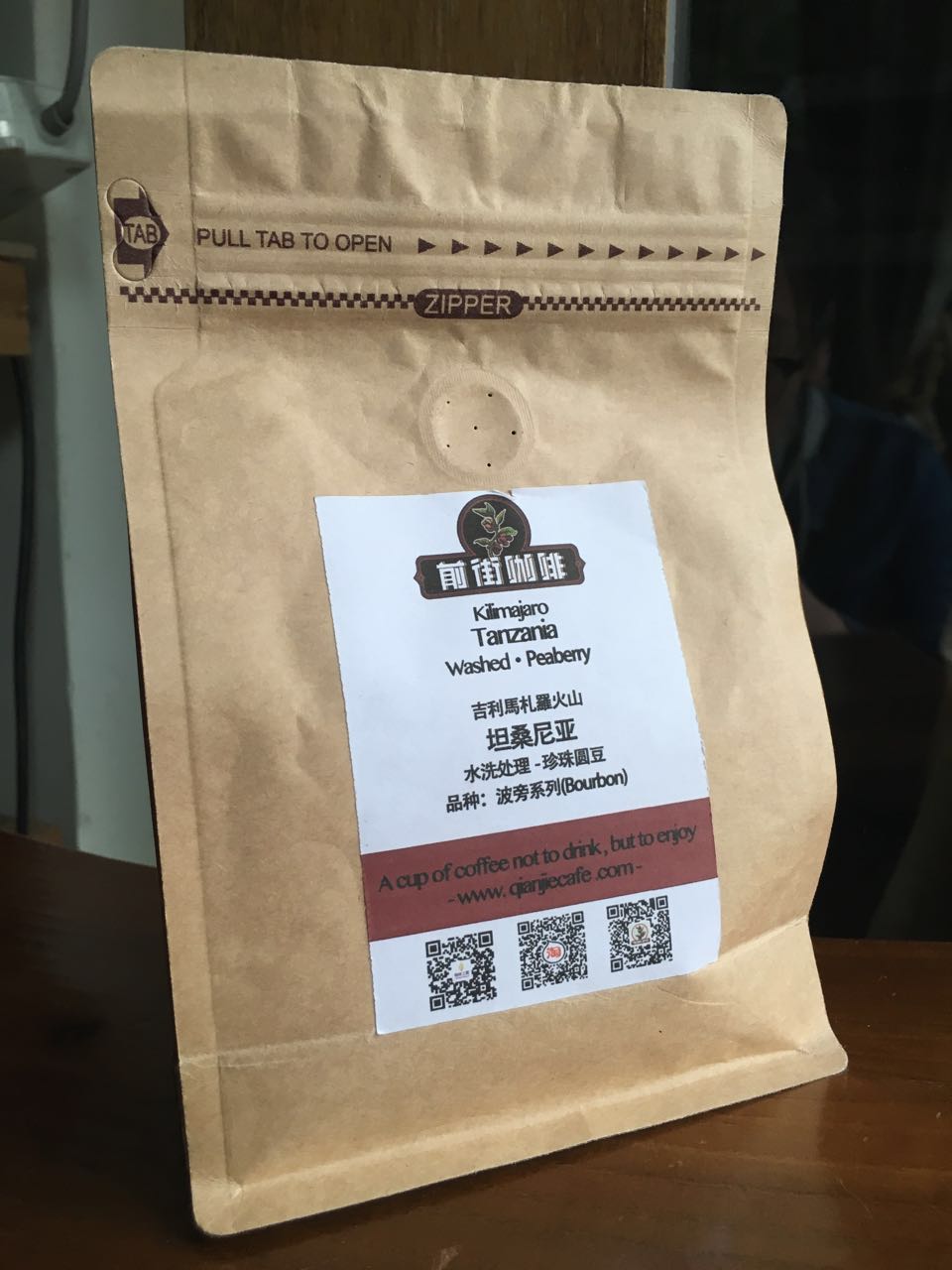
The price of Guatemalan coffee beans the characteristics of Guatemalan coffee beans
Coffee production in Guatemala has declined relatively, at 700kg per hectare, while that in El Salvador is 900kg per hectare and that in Costa Rica is even more astonishing, at 1700 kg per hectare. The export of dangerous Dimara coffee is controlled by private companies, but the National Coffee Council (Asociacion Nacional de Cafe) controls the coffee industry.
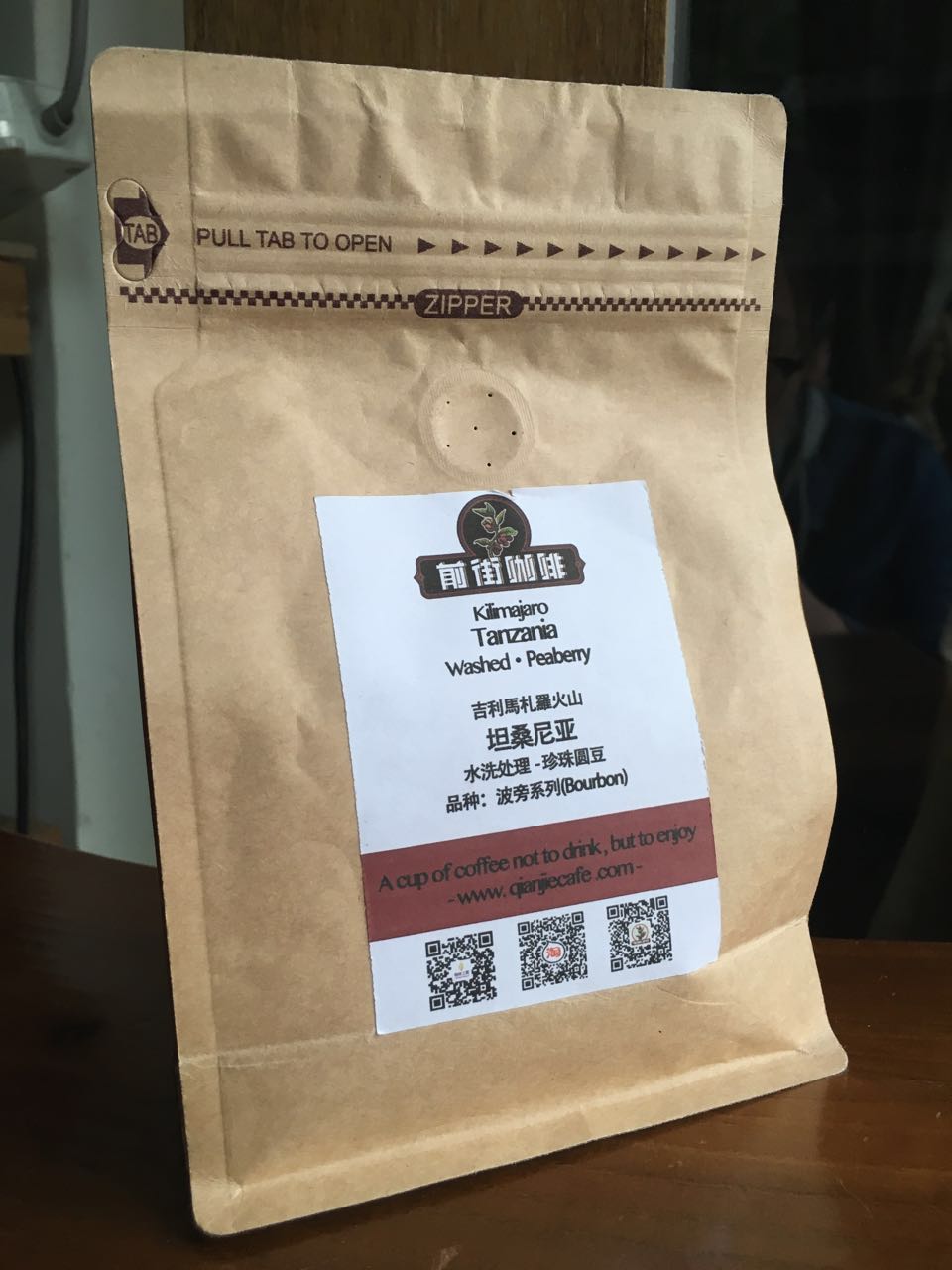
Characteristics of Guatemalan coffee beans cultural boutique coffee of Guatemalan coffee beans
Coffee production in Guatemala has declined relatively, at 700kg per hectare, while that in El Salvador is 900kg per hectare and that in Costa Rica is even more astonishing, at 1700 kg per hectare. The export of dangerous Dimara coffee is controlled by private companies, but the National Coffee Council (Asociacion Nacional de Cafe) controls the coffee industry.

The origin of Guatemalan coffee beans the characteristics of Guatemalan coffee beans
Coffee production in Guatemala has declined relatively, at 700kg per hectare, while that in El Salvador is 900kg per hectare and that in Costa Rica is even more astonishing, at 1700 kg per hectare. The export of dangerous Dimara coffee is controlled by private companies, but the National Coffee Council (Asociacion Nacional de Cafe) controls the coffee industry.

Introduction to the manor of the producing area of coffee in Guatemala
Antigua (Antigua) is also a famous producer of coffee. Antigua coffee is produced in Hacienda Carmona, where the best quality coffee is EL Pulcal, which is not only of good quality, but also has a stronger flavor, richer taste and stronger tobacco flavor than other Guatemalan coffees. Every 30 years or so, the area near Antigua suffers

How about Salvadoran coffee? Salvadoran coffee story? what kind of coffee does El Salvador produce?
Professional coffee knowledge exchange more information about coffee beans Please follow the coffee workshop (Wechat official account cafe_style) like many Central American countries, coffee production in El Salvador began in the early 19th century. By 1850, the national government began to realize the great commercial potential of coffee. In order to encourage production, the government has offered concessions to coffee farmers, such as tax exemption and military service. The 1980s
The International Coffee Organization's historical boutique coffee organization
In the 19th century, coffee became an important commodity in the international trade market. For a long time after that, the coffee market was often in a state of oversupply, low prices, and occasional price increases in short supply, but for a short period of time. During the economic crisis of the 1930s and during World War II (1939-1945), the coffee market supply

Characteristics of Guatemalan coffee beans the origin of Guatemalan coffee beans boutique coffee
Coffee production in Guatemala has declined relatively, at 700kg per hectare, while that in El Salvador is 900kg per hectare and that in Costa Rica is even more astonishing, at 1700 kg per hectare. Guatemalan coffee exports are controlled by private companies, but the National Coffee Council (AsociacionNacionaldeCafe) controls other ministries of the coffee industry.

Fine coffee the origin of Guatemalan coffee the development process of Guatemalan coffee
Coffee production in Guatemala has declined relatively, at 700kg per hectare, while that in El Salvador is 900kg per hectare and that in Costa Rica is even more astonishing, at 1700 kg per hectare. The export of dangerous Dimara coffee is controlled by private companies, but the National Coffee Council (Asociacion Nacional de Cafe) controls the coffee industry.

The well-cultivated south-central coffee producing area of Dora, Puerto Rico
It's the best in the world. Puerto Rico coffee is generally carefully cultivated, pure, fragrant, granular, among which the best is among the world's famous brands. Doradot is the best, with a strong flavor and a long aftertaste, and its aroma is comparable to that of any coffee variety. Puerto Rico, originally an Indian settlement, was discovered during Columbus's second trip to the American continent. one hundred and ninety five

Guatemalan coffee beans
Guatemala coffee once enjoyed a reputation as the best quality coffee in the world, but its quality also declined for a time. What is gratifying, however, is that its reputation is gradually being restored.

Guatemalan coffee treatment method Coffee Origin
Guatemala, where the coffee industry was developed by German colonization at the end of the 19th century. Today, most of the coffee industry's production takes place in the south of the country. Here, the slopes of the Sierra Madre volcano provide ideal conditions for growing high-quality coffee beans, and coffee growing at high altitudes is full of vitality. Compared with other kinds of coffee, critics prefer this kind of coffee.

Basic knowledge of boutique coffee beans History of International Coffee Organization
In the 19th century, coffee became an important commodity in the international trade market. For a long time after that, the coffee market was often in a state of oversupply, low prices, and occasional price increases in short supply, but for a short period of time. During the economic crisis of the 1930s and during World War II (1939-1945), the coffee market supply