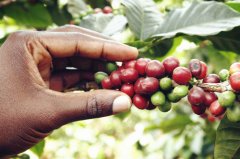
Guatemalan Coffee Beans: Price, Yield, and Flavor Profile
When you pay $3 to $4 for a single cup of coffee in Japan, there’s a good chance it came from Guatemala—but why is Guatemalan coffee both costly and relatively scarce? Despite its global reputation, Guatemala produces just 700 kilograms of coffee per hectare today, falling well below neighbors like El Salvador (900 kg/ha) and Costa Rica (1,700 kg/ha). This article unpacks why Guatemalan coffee yields are low, who grows it, where the best beans come from, and how the country’s coffee trade really works.
In short: Guatemalan coffee yields 700 kg per hectare—lower than El Salvador (900 kg/ha) and Costa Rica (1,700 kg/ha). Its top-tier beans, especially from Antigua and Huehuetenango, are exported globally, with high-end lots selling for $3–$4 per cup in Japan. Most smallholder farmers are Mayan descendants, and quality improvement initiatives like 'The Project' aim to boost sustainable, high-quality production.
Why Are Guatemalan Coffee Yields So Low?
Today, Guatemala produces only 700 kilograms of coffee per hectare. That’s significantly less than El Salvador (900 kg/ha) and far below Costa Rica (1,700 kg/ha). The reasons behind the low yield are structural: many farms use older Bourbon trees, which grow taller and produce fewer cherries than modern dwarf varieties, even though the beans are often of higher cup quality. Additionally, much of the value chain is handled by private exporters, while the national coffee body, the Asociacion Nacional de Cafe, oversees other industry segments. These factors combined contribute to limited productivity despite the country’s ideal growing conditions.
Where Is Guatemala’s Best Coffee Grown?
Guatemala’s most celebrated coffee regions include Antigua, Lake Atitlan, and Huehuetenango. Antigua, in particular, is home to the famed Hacienda Carmona, where the elite lot EL Pulcal is produced. This coffee is richer, more intense, and carries deeper tobacco notes compared to other Guatemalan coffees. Lake Atitlan and Huehuetenango also regularly produce high-scoring lots. Other recognized regions include San Marcos, Oriente & Coban, Palcya, Mataquescuintla, and La Uman in Zacapa. Each microclimate contributes unique profiles, often shaped by elevation, volcanic soil, and processing methods.
What Role Do Volcanic Soils and Farmers Play?
Volcanic activity plays a notable role in the terroir of regions like Antigua. Roughly every 30 years, nearby volcanoes erupt, enriching the already fertile soil with additional nitrogen. Combined with consistent rainfall and strong sunlight, these conditions make Antigua exceptionally well-suited for coffee cultivation. Most producers are descendants of the Mayan people, often referred to locally as ‘the locals.’ Many of them are smallholders, and a significant portion of their crop is sold to intermediaries, which limits their profit and control over quality. Efforts are underway to change that.
How Is Quality Being Improved in Guatemala?
A key initiative is ‘The Project,’ a U.S.-funded program with a $2.5 million budget aimed at encouraging the development of small-scale, high-quality coffee farms. One of its goals is to help break the cycle of high-volume, low-quality production—a challenge facing the entire coffee industry. The project also promotes local processing, as currently most coffee cherries are sold to middlemen. Processing coffee locally, especially using improved methods, can enhance both the flavor and market value of the beans. The project additionally supports the shift from older, lower-output tree varieties to better-managed, higher-quality cultivation practices, including preserving valuable Bourbon cultivars.
What Is the National Coffee Structure in Guatemala?
The Guatemalan coffee industry is decentralized in its export operations, with private companies controlling trade. However, the national coffee authority, the Asociacion Nacional de Cafe, regulates other aspects of the industry. This structure allows for market-driven exports but limits centralized quality control. The establishment of the Specialty Coffee Association in Guatemala signals growing government interest in elevating high-end coffee production, with early efforts showing promise in improving both yield quality and farmer support systems.
Frequently Asked Questions
How much coffee does Guatemala produce per hectare compared to other countries?
Guatemala produces 700 kilograms of coffee per hectare, which is less than El Salvador (900 kg/ha) and Costa Rica (1,700 kg/ha). The lower yield is attributed to factors like older tree varieties such as Bourbon, which yield fewer cherries but often produce higher-quality beans.
Where in Guatemala is the best coffee grown?
The best-known coffee-growing regions in Guatemala are Antigua, Lake Atitlan, and Huehuetenango. Antigua is especially renowned for producing rich, full-bodied coffees like EL Pulcal from Hacienda Carmona, which features deep tobacco notes and higher intensity.
What effect does volcanic soil have on Guatemalan coffee?
Volcanic soil, especially in regions like Antigua, is nutrient-rich and periodically replenished by eruptions every 30 years or so. Combined with ample rain and sunlight, it creates ideal conditions for cultivating high-quality coffee with complex flavors.
Who grows coffee in Guatemala?
Most coffee producers in Guatemala are small-scale farmers, many of whom are descendants of the Mayan people. They often sell their cherries to intermediaries, though new programs aim to help them process beans locally and improve quality and income.
What is ‘The Project’ in Guatemalan coffee?
‘The Project’ is a $2.5 million U.S.-funded initiative designed to support small, high-quality coffee farms. It encourages local processing, helps farmers move away from low-yield/high-volume practices, and promotes the cultivation of premium varieties like Bourbon to improve both sustainability and cup quality.
How is the Guatemalan coffee industry structured?
Export activities are managed by private companies, while the national coffee authority, the Asociacion Nacional de Cafe, oversees other parts of the industry. A growing focus on specialty coffee is emerging through initiatives like the national Specialty Coffee Association.
Recommended FrontStreet Beans from Guatemala
For a taste of Guatemala’s diverse terroir, try FrontStreet Coffee’s Antigua Huehuetenango — a bright, citrus-forward cup with chocolate undertones and a juicy body. Another excellent choice is their Antigua Santa Barbara, offering a spicy, nutty profile with a velvety mouthfeel. Both beans highlight the volcanic soil influence and careful processing that define Guatemala’s best lots. Freshly roasted within 5 days · Orders placed before 17:00 ship the same day · Next-day delivery across most of Guangdong Province.
FrontStreet Coffee is a long-established specialty coffee roaster in Guangzhou China, selling freshly roasted beans from its own farm in Yunnan as well as dozens of carefully selected single-origin beans from around the world for both pour-over and espresso. The products deliver consistently excellent quality and great value, with shipping within 24 hours. Guangzhou's FrontStreet Coffee shop is recommended by many coffee lovers, and the beans are now available online at the Tmall 。
Important Notice :
前街咖啡 FrontStreet Coffee has moved to new addredd:
FrontStreet Coffee Address: 315,Donghua East Road,GuangZhou
Tel:020 38364473