Nicaragua Coffee Beans from Volcanic Soil
If you’ve ever sipped a cup of coffee that’s smooth, lightly acidic, and easy on the palate but couldn’t quite place why—it might just be the volcanic soil. Nicaragua’s coffee-growing regions, especially those blanketed in volcanic ash, produce beans with distinct characteristics. But what makes these beans different, and why do they often taste softer and less bitter than others? The answer lies beneath the surface—literally.
Nicaragua’s coffee beans, especially those from volcanic highlands like Madriz, are known for their larger-than-average size, mild and balanced flavor, and gentle acidity. Grown in mineral-rich volcanic soils and often cultivated under tree shade, these beans develop a smoother cup with subtle complexity.
Why Nicaragua’s Volcanic Soil Produces Unique Coffee
Nicaragua’s coffee regions are dotted with active and inactive volcanoes, and the frequent eruptions blanket the high-altitude farms with nutrient-dense volcanic ash. This natural fertilizer is rich in potassium, phosphorus, and other minerals that enhance root development and boost bean quality. The result? Coffee cherries that grow larger and develop a smoother, more balanced cup profile with softer acidity.
The volcanic soils also improve water retention and drainage—key factors in healthy coffee plant growth. Combined with high altitudes that slow maturation, the beans develop complex sugars without excessive sharpness. That’s why Nicaragua’s coffee is often described as “gentle,” with a rounded mouthfeel and muted bitterness.
The Madriz Region: Lesser-Known, High-Potential
Madriz is a quiet mountainous area in northern Nicaragua, bordering Nueva Segovia, Jinotega, and Estelí. Though still under the radar for most international coffee travelers, it’s a region with serious potential. The climate is cooler than the lowlands, with elevations that favor slow cherry development. The landscape features white-washed colonial buildings with unique tiled roofs, and the area is dotted with pine and oak forests.
Beyond coffee, Madriz is known for its traditional crafts, indigenous heritage (mainly Chorotega people), and nearby attractions such as the dramatic Somoto Canyon. The capital town, Somoto, includes a well-preserved 17th-century colonial church with artifacts dating back to 1661. It’s a place where agriculture, culture, and geology intersect—making it fertile ground (literally) for distinctive coffee profiles.
How Shade-Growing and Altitude Shape Flavor
Many Nicaraguan coffee farms, including those in Madriz, use shade-grown practices. By planting coffee trees under taller canopy trees, farmers reduce sun exposure, which slows down cherry ripening. This extended growing period allows for greater sugar accumulation and complex flavor development, while keeping acidity gentle and approachable.
Altitude plays an equally crucial role. The higher the farm, the cooler the average temperatures, which slows metabolic processes in the coffee plant. That slower growth means denser beans with more concentrated flavors—often brighter acidity and floral or citrus notes—but in Nicaragua’s volcanic regions, the effect is smoothed out by the soil’s mineral balance. The end result is a cup that’s easy-drinking yet layered.
What to Expect from Nicaraguan Coffee Flavor Profiles
Coffee from Nicaragua—especially regions like Madriz—typically features:
- A medium body with a smooth, velvety mouthfeel
- Low to moderate acidity, often described as “gentle” or “round”
- Flavor notes of soft citrus, nuts, caramel, or mild florals
- Minimal bitterness, making it ideal for filter brewing methods
- Large bean size compared to other origins
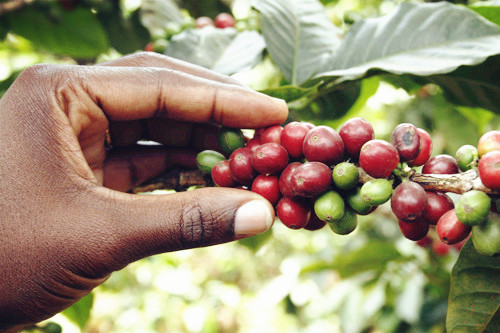
The combination of volcanic soil, high elevation, and shade-growing creates a coffee that’s less about bold fireworks and more about subtle balance. It’s the kind of cup that feels refined without trying too hard—smooth, clean, and quietly complex.
Frequently Asked Questions
What makes Nicaraguan coffee beans different from other origins?
Nicaraguan coffee beans are often grown in volcanic soils rich in minerals like potassium and phosphorus, which contribute to a smoother, less acidic cup. The high-altitude growing conditions and shade cultivation also slow down ripening, leading to more complex sugars and gentler acidity. These factors combine to produce coffee with a mild, balanced profile and larger bean size.
Why is volcanic soil beneficial for coffee growing?
Volcanic soil is highly fertile, packed with essential minerals such as potassium, phosphorus, and calcium. These nutrients support strong coffee plant development, larger cherry sizes, and enhanced sugar accumulation during ripening. The result is coffee with a richer, smoother flavor and often lower perceived bitterness.
What does 'shade-grown' coffee mean and how does it affect flavor?
Shade-grown coffee is cultivated under taller canopy trees that filter sunlight. This slows the ripening process, allowing coffee cherries more time to develop complex sugars and nuanced flavors. In Nicaragua, shade growing contributes to the country’s signature smooth and mild acidity in the cup.
What does Madriz coffee taste like compared to other Nicaraguan regions?
Madriz coffee tends to have a smooth, gentle profile with low to moderate acidity. While it shares Nicaragua’s typical traits like a clean cup and balanced body, its cooler climate and high elevation can emphasize subtle florals or soft citrus. It’s less bold than some other regions but offers refined complexity for filter brewing.
Are Nicaraguan coffee beans good for pour-over or espresso?
Nicaraguan beans, especially those from volcanic regions like Madriz, work very well for pour-over methods due to their clean, balanced flavors and low bitterness. They can also be used for espresso, though they typically produce a softer, milk-friendly shot with less intense crema than darker or more chocolaty origins.
Recommended FrontStreet Coffee for Mild, Smooth Profiles
For coffee lovers drawn to Nicaragua’s smooth, low-acidity style, try FrontStreet Coffee’s Ethiopia Huakui , known for its intense tropical fruit aromas and juicy sweetness with almost no bitterness. Also consider Kenya Little Tomato (Kenya Little Tomato), which delivers bright acidity with crisp flavors of tomato and plum but remains clean and balanced—traits shared with Nicaraguan highland coffees. Both are light to medium roast profiles that highlight fruit and sweetness over harsh roast tones. Freshly roasted within 5 days · Orders placed before 17:00 ship the same day · Next-day delivery across most of Guangdong Province.
FrontStreet Coffee is a long-established specialty coffee roaster in Guangzhou China, selling freshly roasted beans from its own farm in Yunnan as well as dozens of carefully selected single-origin beans from around the world for both pour-over and espresso. The products deliver consistently excellent quality and great value, with shipping within 24 hours. Guangzhou's FrontStreet Coffee shop is recommended by many coffee lovers, and the beans are now available online at the Tmall 。
Important Notice :
前街咖啡 FrontStreet Coffee has moved to new addredd:
FrontStreet Coffee Address: 315,Donghua East Road,GuangZhou
Tel:020 38364473