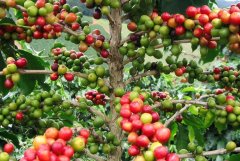
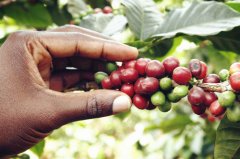
El Salvador Coffee: Origin, Flavor, and Price Guide
If you’ve ever sipped a smooth, well-balanced cup of Central American coffee and wondered where it came from, chances are it could have been from El Salvador. This small, densely populated Central American nation produces coffee that’s renowned not for boldness, but for its exceptional balance and mild profile. But what makes Salvadoran coffee unique? And why isn’t it more widely known? Let’s explore the origins, characteristics, and economic journey of this understated specialty origin.
El Salvador coffee is known for its balanced flavor, with 40% of the country’s exports consisting of coffee. Its peak harvest runs from January to March, and 35% of its Strictly Hard Bean (SHB) grade is exported to Germany. The country’s best-known coffee variety is Pipil, while rare offerings like Pacamara are grown near the Guatemalan border in Santa Ana.
What Is El Salvador Coffee Known For?
El Salvador produces coffee with a notably balanced flavor profile—medium-bodied, mildly acidic, and clean. The cup tends to be aromatic and approachable, often featuring subtle notes without overwhelming bitterness or sharpness. The coffee is typically classified as light to medium in roast preference, aligning with modern specialty trends. Though it rarely dominates the conversation like Ethiopian or Colombian coffees, it is highly regarded for consistency and drinkability.
Where Is El Salvador Coffee Grown?
El Salvador is a small Central American country with high population density. Its coffee is primarily cultivated in regions that benefit from volcanic soils and elevations favorable to specialty-grade production. The country grades its coffee by altitude, with higher-grown beans considered superior. The finest coffees come from elevations qualifying as Strictly Hard Bean (SHB), a classification denoting optimal growing conditions for high-quality Arabica.
The Role of Elevation in Coffee Quality
As with other Central American countries such as Guatemala and Costa Rica, El Salvador categorizes coffee quality by altitude:
- Higher altitudes produce denser beans with more complex flavors.
- The best Salvadoran coffees come from these high-altitude regions.
- The Pipil variety, named after the Aztec-Mayan word for coffee, is one of the country’s premium beans and holds organic certification from the Organic Certified Institute of America.
How Has Conflict Affected Coffee Production?
In the early 1990s, guerrilla warfare significantly disrupted El Salvador’s economy and coffee sector. Coffee production dropped from 3.5 million bags in the 1970s to just 2.5 million bags by 1990–1991. Key coffee-growing regions, particularly in the east, were heavily impacted, displacing many farmers and workers. The violence led to labor shortages, reduced investment, and a fall in yield from 1,200 kg per hectare to under 900 kg per hectare.
Government Policies and Export Challenges
In 1986, the Salvadoran government imposed an additional 15% tax on coffee exports, on top of an existing 30% duty. This heavy taxation, combined with unfavorable exchange rates, severely hindered export profitability and contributed to a decline in both volume and quality. Recognizing coffee’s role in employment, foreign exchange, and agricultural development, the government began privatizing parts of the coffee export industry in 1990 to improve returns for producers.
Rare and Notable Coffee Varieties
Beyond the well-regarded Pipil, El Salvador is also home to the rare Pacamara coffee variety. This hybrid, a cross between Pacas and Maragogype, originates from the western part of the country near the Guatemalan border and the Santa Ana region. Pacamara beans are known for their large size and unique cup profile, though they typically present a softer aroma compared to other high-profile varieties. The region’s terroir helps shape its distinctive yet understated expression.
When Is El Salvador Coffee Harvested?
The highest quality Salvadoran coffee is harvested between January and March. This period captures the peak ripeness of the coffee cherry, ensuring optimal sugar development and flavor complexity in the cup. The timing aligns with similar high-altitude harvest seasons across Central America.
What Determines the Price of El Salvador Coffee?
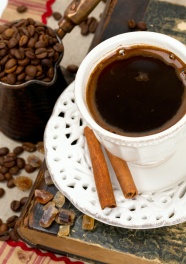
Historically, El Salvador coffee made up a significant portion of the country’s exports—around 40%. However, pricing has been influenced by multiple factors:
- Heavy export taxes in the 1980s reduced revenue and discouraged investment.
- Quality declined due to reduced yields and limited farming resources post-conflict.
- Export market recovery has been gradual, with Germany importing 35% of its SHB-grade beans.
Today, the price reflects both the cost of production in a post-conflict environment and the premium commanded by high-altitude, specialty-grade lots, especially those with organic or unique varietal distinction.
Frequently Asked Questions
What does El Salvador coffee taste like?
El Salvador coffee typically has a mild, balanced flavor with medium body and subtle acidity. It is known for being clean and approachable, often with aromatic qualities rather than intense fruity or spicy notes. The cup is generally smooth and easy-drinking, suited for a wide range of brewing methods.
Where in El Salvador is the best coffee grown?
The best El Salvador coffee is grown at high altitudes, particularly in regions that qualify as Strictly Hard Bean (SHB). The western areas near Santa Ana, close to the Guatemalan border, are known for producing rare varieties like Pacamara. These regions provide ideal conditions for developing complex flavors in the coffee cherry.
What is the Pipil coffee variety?
Pipil is a premium coffee variety from El Salvador, named after the Aztec-Mayan word for coffee. It is recognized for its quality and has earned organic certification from the Organic Certified Institute of America. Pipil is among the country’s most esteemed coffee types and contributes to its reputation for balanced, mild cups.
Why did El Salvador’s coffee production decline in the 1990s?
Coffee production in El Salvador fell sharply in the early 1990s due to guerrilla warfare, which displaced farmers, reduced labor availability, and damaged infrastructure. Additionally, government policies like a 15% export tax on top of a 30% base duty hurt profitability. Yields dropped from 1,200 kg per hectare to under 900 kg per hectare during this period.
What is Pacamara coffee and where is it from?
Pacamara is a hybrid coffee variety, a cross between Pacas and Maragogype. In El Salvador, it is grown primarily in the western highlands near Santa Ana, adjacent to Guatemala. Pacamara beans are large and known for a unique, though softly aromatic, cup profile. The variety is rare and valued for its distinct genetic heritage and flavor complexity.
When is the main harvest season for Salvadoran coffee?
The main harvest season in El Salvador runs from January to March. This is when the highest quality coffee is picked, ensuring optimal ripeness and flavor development. The timing supports the production of SHB-grade beans that make up a large portion of the country’s specialty coffee exports.
Recommended FrontStreet Beans for El Salvador Fans
If you enjoy the mild and balanced profile of Salvadoran coffee, you’ll likely appreciate the Brazil Queen Manor Yellow Bourbon for its sweet, creamy profile with notes of peanut butter and caramel. For something with more complexity and fruit brightness akin to Central American high-growns, try the Colombia Huila—known for its smooth mouthfeel, black chocolate, and mild citrus acidity. Both offer the kind of clarity and balance often associated with Salvadoran coffees. Freshly roasted within 5 days · Orders placed before 17:00 ship the same day · Next-day delivery across most of Guangdong Province.
FrontStreet Coffee is a long-established specialty coffee roaster in Guangzhou China, selling freshly roasted beans from its own farm in Yunnan as well as dozens of carefully selected single-origin beans from around the world for both pour-over and espresso. The products deliver consistently excellent quality and great value, with shipping within 24 hours. Guangzhou's FrontStreet Coffee shop is recommended by many coffee lovers, and the beans are now available online at the Tmall 。
Important Notice :
前街咖啡 FrontStreet Coffee has moved to new addredd:
FrontStreet Coffee Address: 315,Donghua East Road,GuangZhou
Tel:020 38364473