
"sectors"
1262 article(s) found
What is the origin of Guatemalan coffee?
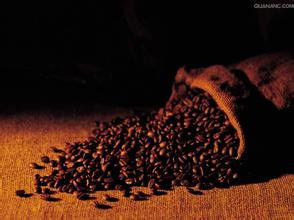
Guatemalan coffee has a strong aroma, even if you don't drink it, just smelling it is already a pleasure. Antigua coffee has a rich and velvety mellow, rich and lively aroma, and fine sour taste. When the attractive fragrance lingers on the tip of your tongue, there is an indescribable mystery. You may feel dull at the first sip, but as the coffee slows down
The Origin of Guatemalan Coffee beans
Coffee production in Guatemala has declined relatively, at 700kg per hectare, while that in El Salvador is 900kg per hectare and that in Costa Rica is even more astonishing, at 1700 kg per hectare. Guatemalan coffee exports are controlled by private companies, but the National Coffee Council (AsociacionNacionaldeCafe) controls other ministries of the coffee industry.

What are the most famous coffee plantations?
Costa Rica's crop is even more impressive, reaching 1700 kilograms per hectare. Guatemala's coffee export trade is controlled by private companies, but the National Coffee Council (Asociación Nacional de Cafe) controls the rest of the coffee industry. Some of Guatemala's finest coffee is exported to Japan, where it sells for $3 to $4 a cup. most of the

Characteristics of Coffee Origin in Guatemala
Coffee production in Guatemala has declined relatively, at 700kg per hectare, while that in El Salvador is 900kg per hectare and that in Costa Rica is even more astonishing, at 1700 kg per hectare. The export of dangerous Dimara coffee is controlled by private companies, but the National Coffee Council (Asociacion Nacional de Cafe) controls the coffee industry.
Introduction of boutique Guatemalan coffee beans
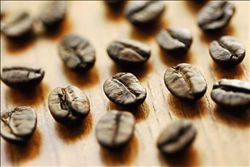
Coffee production in Guatemala has declined relatively, at 700kg per hectare, while that in El Salvador is 900kg per hectare and that in Costa Rica is even more astonishing, at 1700 kg per hectare. The export of dangerous Dimara coffee is controlled by private companies, but the National Coffee Council (Asociacion Nacional de Cafe) controls the coffee industry.
The Origin of Guatemalan Coffee beans
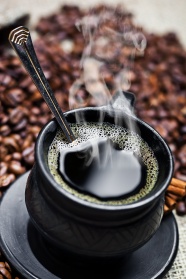
Coffee production in Guatemala has declined relatively, at 700kg per hectare, while that in El Salvador is 900kg per hectare and that in Costa Rica is even more astonishing, at 1700 kg per hectare. The export of dangerous Dimara coffee is controlled by private companies, but the National Coffee Council (Asociacion Nacional de Cafe) controls the coffee industry.

Flavor Origin of Guatemalan Coffee beans
Coffee production in Guatemala has declined relatively, at 700kg per hectare, while that in El Salvador is 900kg per hectare and that in Costa Rica is even more astonishing, at 1700 kg per hectare. The export of dangerous Dimara coffee is controlled by private companies, but the National Coffee Council (Asociacion Nacional de Cafe) controls the coffee industry.

Introduction to the origin of coffee-the characteristics, origin and brand market of Angolan coffee
Professional baristas please follow the coffee workshop (official Wechat account cafe_style) Portuguese news agency reported that Angolan coffee brand Caf Cazengo will export its coffee products to China. Jos Gonalves, the project manager, said the brand would export a total of 54 tons of coffee to China, the United States and Portugal, but did not disclose the export price.

Treatment methods of Guatemalan coffee beans
Coffee production in Guatemala has declined relatively, at 700kg per hectare, while that in El Salvador is 900kg per hectare and that in Costa Rica is even more astonishing, at 1700 kg per hectare. The export of dangerous Dimara coffee is controlled by private companies, but the National Coffee Council (Asociacion Nacional de Cafe) controls the coffee industry.

History of the International Coffee Organization
In the 19th century, coffee became an important commodity in the international trade market. For a long time after that, the coffee market was often in a state of oversupply, low prices, and occasional price increases in short supply, but for a short period of time. During the economic crisis of the 1930s and during World War II (1939-1945), the coffee market supply

Dora, Puerto Rico. South-central coffee producing area.
Dora, Puerto Rico, coffee is the best in the world. Puerto Rico coffee is generally carefully cultivated, pure, fragrant, granular, among which the best is among the world's famous brands. Doradot is the best, with a strong flavor and a long aftertaste, and its aroma is comparable to that of any coffee variety. Originally inhabited by Indians, Puerto Rico made its second trip to the American continent by Columbus.
Guatemala Antigua Floral Coffee Grind Scale Variety Taste Manor Introduction
Guatemala coffee has a strong aroma, even if you don't drink it, just smelling it is already a pleasure. Antigua coffee has a rich and velvety body, rich and lively aroma, and fine acidity. When the seductive aroma lingers on your tongue, it implies an indescribable mystery. At first sip, you may feel bland, but as coffee slowly
Introduction to the flavor and taste of Ethiopian Arabica coffee
In the field of boutique coffee, there are also five other small places of coffee, namely Lim, Gemma, Le Campdi, Becca and Limmu, Djimmah, Lekempti, Bebeka and Wolega. The most common is Essesidamo or Harald coffee (Either Sidamo or Harrar coffee). Harald Coffee (HarrarCoffee) is made in Essex.

Rwanda coffee history and coffee market
Professional coffee knowledge exchange more coffee bean information please follow Coffee Workshop (Wechat official account cafe_style) Rwanda: small but powerful about 60 years ago, Rwanda was a country with high coffee production and low quality under the rule of Belgium. Thirty years ago, Rwanda experienced a protracted economic crisis due to increased political instability and falling prices of green coffee.

Nestl é hopes to launch blue bottle coffee Blue Bottle in Europe and enter European boutique coffee!
Professional coffee knowledge exchange more coffee bean information please follow the coffee workshop (Wechat official account cafe_style) Today, according to the Financial Times, Nestl é hopes to launch blue bottle coffee in Europe. At present, as early as last year, Nestl é agreed to buy 68% of Blue Bottle Coffee coffee, which is located in Oakland, California, for no more than $500 million.

When will the 2018 Shanghai International Coffee and Wine Culture Festival be held? Where? How to participate?
Professional coffee knowledge exchange more coffee bean information please follow coffee workshop (Wechat official account cafe_style) coffee information _ coffee circle latest and most complete coffee information Shanghai International Coffee and Wine Culture Festival time: March 26-March 29 venue: Shanghai New International Expo Center fee: 20 yuan Shanghai International Coffee and Wine Culture Festival, coffee from different regions

The origin of the logo of Antigua coffee beans in Starbucks Guatemala
The origin of the Starbucks Antigua coffee bean logo in Guatemala some of the best quality coffee from Guatemala is exported to Japan, where coffee is sold for $3 to $4 per cup. In order to revitalize its coffee industry, Guatemala specially set up a special coffee association and gave maximum funding and attention to these high-quality coffees. these efforts will soon bear fruit.
Boutique coffee recommends Guatemalan coffee
In 1750, Father Jesuit introduced coffee trees to Guatemala, where the coffee industry was developed by German colonists at the end of the 19th century. Today, most of the coffee industry's production takes place in the south of the country. Coffee production in Guatemala: the slopes of SierraMadre volcano provide ideal conditions for growing high-quality coffee beans at high altitudes.

Fine acidity Guatemala Antigua Coffee Grind Characteristics Flavor Description Processing Introduction
Guatemala coffee has a strong aroma, even if you don't drink it, just smelling it is already a pleasure. Antigua coffee has a rich and velvety body, rich and lively aroma, and fine acidity. When the seductive aroma lingers on your tongue, it implies an indescribable mystery. At first sip, you may feel bland, but as coffee slowly

History and Culture of Coffee in Guatemala
Coffee production in Guatemala has declined relatively, at 700kg per hectare, while that in El Salvador is 900kg per hectare and that in Costa Rica is even more astonishing, at 1700 kg per hectare. The export of dangerous Dimara coffee is controlled by private companies, but the National Coffee Council (Asociacion Nacional de Cafe) controls the rest of the coffee industry.